REVIEW · BANFF
Canmore/Banff: Explore Banff & Wildlife
Book on GetYourGuide →Operated by Explore Banff Tours & Transfers · Bookable on GetYourGuide
Banff is even wilder than you expect. This 4-hour tour mixes iconic viewpoints with real wildlife searching, led by guides who know where to point your eyes. I love the way it keeps you moving through top Banff sights like Bow Falls and Lake Minnewanka, and I also like that it’s built around wildlife viewing (with chances for elk, deer, and bighorn sheep). One thing to factor in: wildlife sightings are never guaranteed, and in colder months bear sightings are highly unlikely.
In the best cases, you get close-up moments that feel honest—elk and mule deer in the open, bighorn sheep on rocky slopes, and quick glimpses that make you pull out your binoculars fast. Reviews also highlight guides such as Phoebe and Austin as especially good at pairing wildlife logic with good timing at scenic stops, so you’re not just driving and hoping.
If you’re visiting with young kids or you use a wheelchair, this one likely won’t fit. And if you’re the type who needs a slow, sit-down nature walk, the short stop times mean you’ll mostly be working on photos, scanning, and enjoying the views from the roadside pullouts and viewpoints.
In This Review
- Key Things That Make This Banff Wildlife Tour Work
- How a 4-Hour Tour in Banff Feels (And Who It Suits)
- Pickup and Transportation: Easy Start, Less Fuss
- Surprise Corner Viewpoint: Fast Elevation, Big Banff Views
- Fairmont Banff Springs: A Famous Landmark Moment
- Bow Falls: Where You Get Nature Drama in 10 Minutes
- Mount Norquay: 20 Minutes of Rockies-Grade Looking
- Lake Minnewanka: Short Stop, Lots of Potential
- Wildlife Viewing: What You Can Expect (And What You Can’t)
- A practical wildlife tip you can use
- What You Learn Along the Way (History, Ecosystem, and Why It Matters)
- What to Bring (So the 4 Hours Feel Comfortable)
- Price and Value: Is $69 Worth It?
- Quick Reality Check: The Main Trade-Offs
- Should You Book This Banff Wildlife Tour?
- FAQ
- How long is the Banff & wildlife tour?
- What does the tour cost?
- Is wildlife viewing guaranteed?
- What animals might you see?
- When are bear sightings unlikely?
- What are the main sightseeing stops?
- Is snacks or meals included?
- What should I bring?
- Does the tour include pickup in Canmore and Banff?
Key Things That Make This Banff Wildlife Tour Work
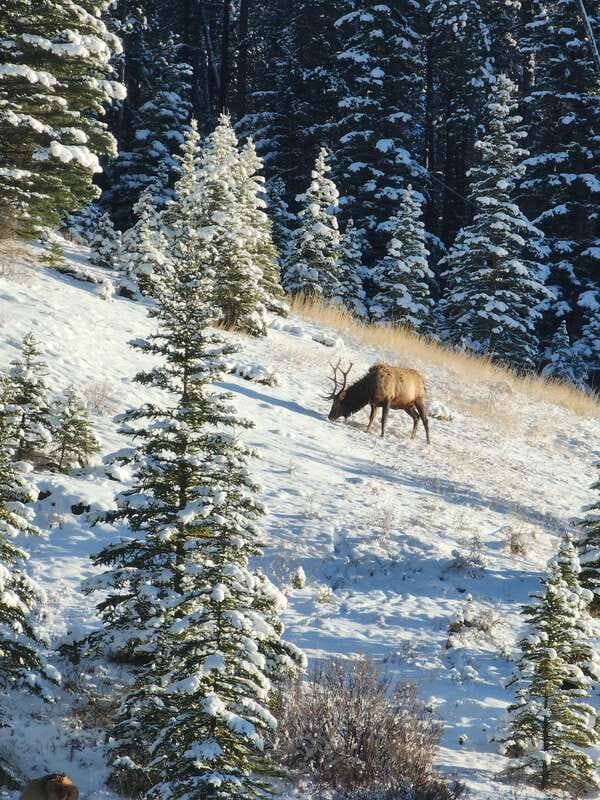
- Prime wildlife search routes led by guides who actively look for elk, deer, and bighorn sheep
- Classic Banff photo stops that are quick but meaningful: Bow Falls and Lake Minnewanka
- Scenic viewpoints in a tight loop, so you see more without spending your whole day in transit
- A flexible plan that can shift to improve your chances for wildlife
- Binocular-friendly experience, because the animals you want may be farther away than you think
How a 4-Hour Tour in Banff Feels (And Who It Suits)
This tour is short by design: 4 hours. That’s enough time to hit several of Banff’s most recognizable sights and still spend moments watching for wildlife, without turning your day into a logistics project.
I like that the rhythm is practical. You’re not stuck waiting around for long hikes or complicated routes. Instead, you’re moving between viewpoints and scanning areas that give you better odds—especially for the animals that hang out in open areas and near the edges of forest and meadow.
This is a good fit if you:
- want a guided “greatest hits” version of Banff with wildlife focus
- like photography but don’t want a full-day commitment
- prefer comfort and easy transportation over renting a car and plotting pullouts
It’s not a perfect match if you:
- need wheelchair access (this tour isn’t suitable for wheelchair users)
- want something tailored for kids under 6
- hate the idea that wildlife is weather- and chance-dependent
You can also read our reviews of more tours and experiences in Banff
Pickup and Transportation: Easy Start, Less Fuss
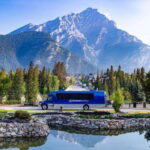
One of the nicest parts here is how pickup is set up across Canmore and Banff. You’ll have multiple options including major hotels and spots like the Banff Train Station. When you’re ready, you just show up 5 minutes early at your selected pickup point and look for a vehicle with the Explore Banff logo on the sides and rear.
Transportation matters in Banff because you’re dealing with real distances, scenic pullouts, and the kind of timing where being late means missing good viewing light. With a guide handling the driving and the stop sequence, you can focus on the fun part: getting your eyes on the wildlife and the views.
Also, the tour includes national park entry fees, which saves you from sorting that out separately while you’re on vacation.
Surprise Corner Viewpoint: Fast Elevation, Big Banff Views
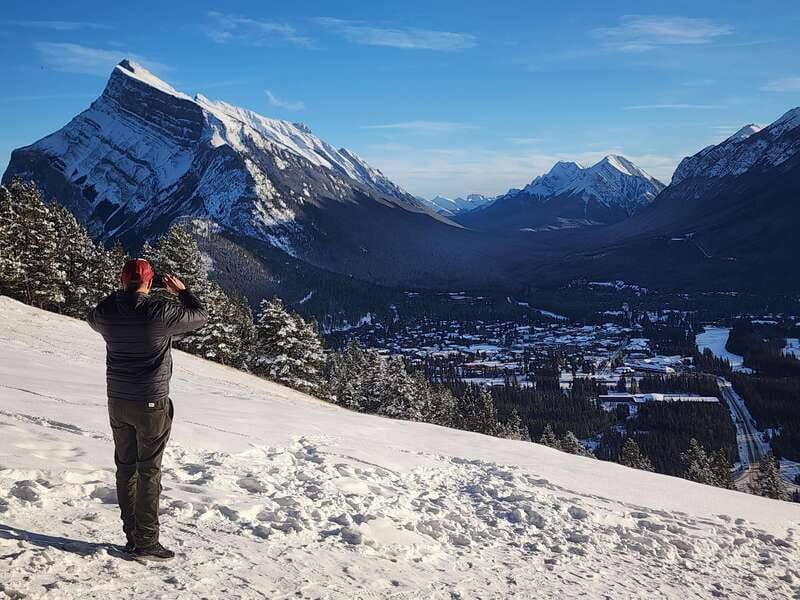
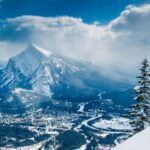
You start with a stop at Surprise Corner Viewpoint in Banff for about 10 minutes. This is the kind of stop that works well in a short tour: you get a quick change in perspective, plus a chance to orient yourself to the area.
With only about 10 minutes, the trick is simple. Don’t overthink it. Take your first look, grab photos quickly, and then use the rest of the day knowing which directions and valleys the wildlife areas seem to sit near. That “get your bearings fast” advantage pays off later when you’re scanning for movement.
The main drawback of quick viewpoint stops is that you can’t linger in the way you might want. If you’re the type who loves long scenic walks, you’ll probably wish this stop had more time.
Fairmont Banff Springs: A Famous Landmark Moment
Next up is a stop at Fairmont Banff Springs. The schedule lists it as sightseeing with 0 minutes, which usually means a very brief pass-by or a minimal time window for photos and orientation. Either way, it’s useful because this hotel is one of the most recognizable sights in town, and it anchors Banff’s “iconic Canada” vibe.
What I’d do: keep your camera ready and be ready for a quick photo. In a tour built for wildlife, these landmark moments aren’t meant to steal time from the searching. They’re here to give you instant Banff context.
Bow Falls: Where You Get Nature Drama in 10 Minutes
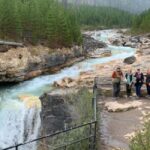
Bow Falls is one of the tour’s timed favorites, with about 10 minutes allocated. This is a classic Banff scene where water noise and the dramatic drop make it easy to appreciate the place even if you’re not a hardcore hiker.
This stop works because it hits two goals at once:
- it gives you a steady, photogenic view without needing a long trek
- it’s a calm break where you can reset your attention before heading into deeper wildlife scanning
If the waterfall is in full flow, you’ll likely enjoy this more than you expected, even if you’ve seen waterfall photos online. There’s something about seeing it in person that makes Banff feel real.


Mount Norquay: 20 Minutes of Rockies-Grade Looking
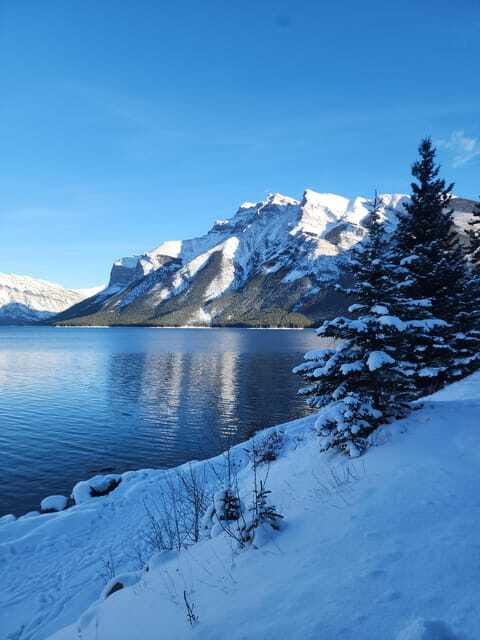
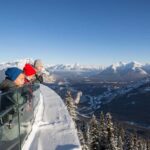
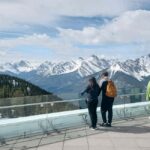
At Mount Norquay, you get about 20 minutes. This is the kind of stop where the value is in what you can spot—clearer sightlines, bigger angles, and a better sense of the terrain animals use.
Here’s the practical strategy: take photos early, then spend the rest of the time looking farther out rather than zooming in on the first view. Wildlife often shows up as small shapes moving across open areas or near forest edges. From higher viewpoints, your odds improve because you can watch a wider slice of the terrain.
The only caution: weather in the Rockies can change fast. If it’s windy or chilly, your “looking time” might be shorter than planned because you’ll feel it on exposed viewpoints.
Lake Minnewanka: Short Stop, Lots of Potential
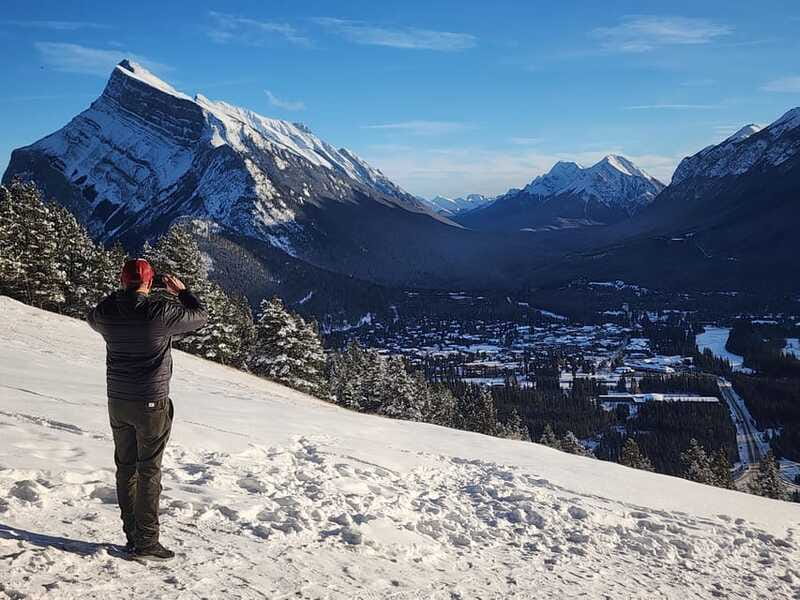
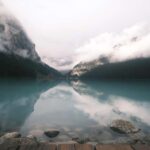
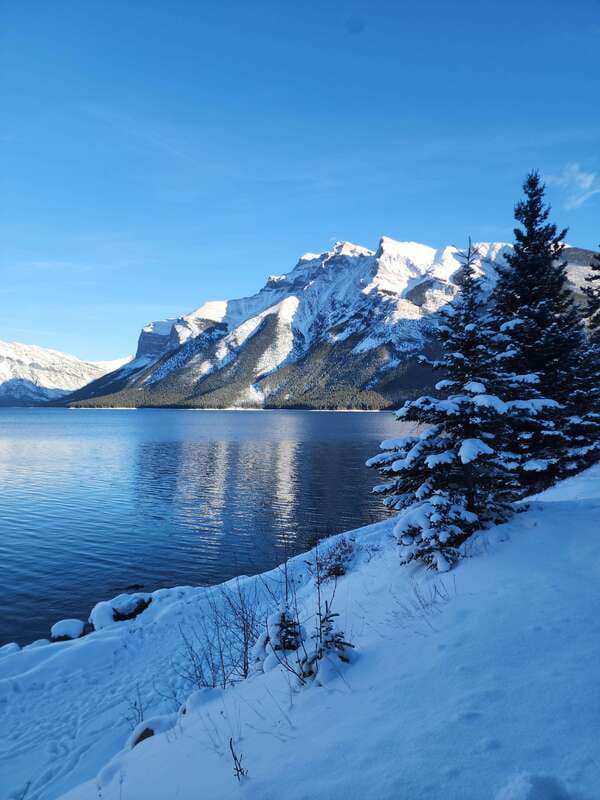
Lake Minnewanka gets about 15 minutes. It’s not long, but it’s a well-chosen stop for a mixed wildlife-and-scenic tour because the lake area offers a natural set of surroundings—water, open views, and the kind of shoreline/edge zones where you may spot wildlife.
If you want a good use of 15 minutes, do this:
- start with a quick panoramic look
- then scan for motion along edges and distant slopes
This is also a place where your mood matters. Some days it’ll feel like a peaceful breather between wildlife stops. Other days it’s all about spotting and waiting. Either way, it’s scenic enough that even “no wildlife today” still feels like a meaningful part of the tour.
Wildlife Viewing: What You Can Expect (And What You Can’t)
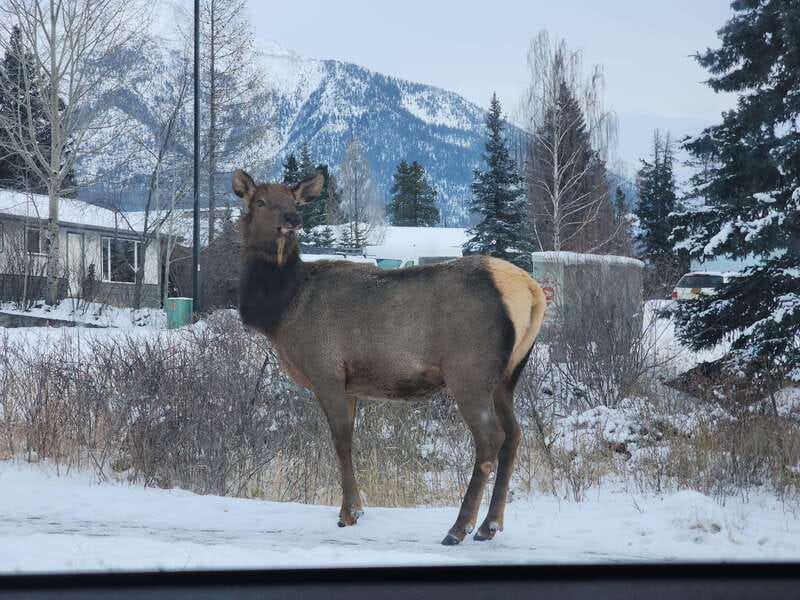
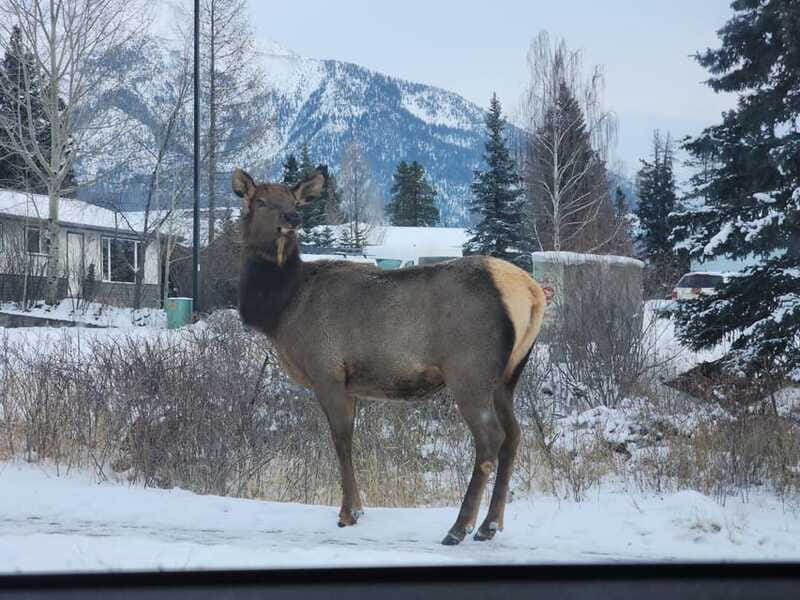
The whole point here is wildlife, but it’s important to be honest about the odds. The tour does not guarantee sightings. What it does offer is guidance to prime locations to maximize your chance of seeing animals like elk, deer, and bighorn sheep.
In good conditions, you’re looking for:
- elk and mule deer in open areas
- bighorn sheep on rocky slopes and edges
- coyotes sometimes in areas where they can move and scan quickly
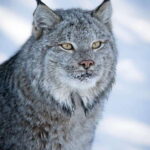
And with luck, your guide may be able to take you toward other possibilities such as lynx, wolf, bear, or moose. Bear sightings are described as highly unlikely between November and March, so if you’re traveling in winter hoping for bears, reset expectations.
This is where the guide can really change the experience. Reviews highlight guides like Phoebe and Austin for being attentive and knowledgeable—so you’re not just chasing rumors of where animals might be. You’re working with someone who knows how the ecosystem behaves and how to position the group for better viewing.
A practical wildlife tip you can use
Bring binoculars if you have them. If you don’t, you’ll still see animals, but binoculars make a difference for animals that are visible from far away and for quickly checking if that distant shape is an elk versus a rock.
What You Learn Along the Way (History, Ecosystem, and Why It Matters)
You’re not just watching from the bus. The tour includes time to learn about Banff’s history and culture, plus context for the wildlife and local ecosystem.
I love this part because it changes your experience from scenery appreciation to real understanding. When you know why certain animals are drawn to specific areas—food, shelter, movement patterns—you start noticing more. You stop treating wildlife sightings like a lottery and start treating them like informed searching.
The learning also helps with patience. Wildlife watching takes time, and knowing what to look for makes the waiting feel productive instead of frustrating.
What to Bring (So the 4 Hours Feel Comfortable)
This tour is outdoors, with cold weather possible depending on your dates. Come prepared with:
- comfortable shoes
- warm clothing
- camera
- water
- snacks
- binoculars
The tour includes water refills, as long as you bring a reusable bottle, which is a small but real convenience in a place where you might otherwise end up paying for drinks on the go.
One more thing: even if you think you’ll be fine in layers, pack for the idea that you’ll be outside waiting and scanning. Wildlife tours mean time spent still.
Price and Value: Is $69 Worth It?
At $69 per person for about 4 hours, the value comes from a few bundled advantages:
- Expert guides who focus on wildlife and share context
- transportation that gets you to multiple key viewpoints without you driving and figuring out pullouts
- national park entry fees included
- stops at major sights like Bow Falls and Lake Minnewanka, not just random roadside views
- wildlife-access positioning aimed at improving your chances
If you were to do this yourself, you’d likely spend time driving, parking, and searching for the right viewpoints on your own. The tour doesn’t remove chance, but it reduces the guesswork.
The main reason I’d call it good value: you’re paying for someone to make the day run efficiently around wildlife opportunities, while also delivering a clear Banff “hits list” that fits in half a day.
Quick Reality Check: The Main Trade-Offs
Here are the trade-offs to keep it fair:
- Wildlife sightings are not guaranteed, so don’t plan around getting a perfect animal photo.
- Some stops are brief by design, including a landmark stop at Fairmont Banff Springs.
- It’s not for wheelchair users, and children under 6 aren’t suitable.
- In November–March, bear sightings are highly unlikely, so winter expectations need adjusting.
If those points don’t bother you, you’ll likely enjoy how focused and efficient this tour feels.
Should You Book This Banff Wildlife Tour?
I’d book it if you want a guided, efficient wildlife-focused Banff experience that still includes major scenic stops. It’s especially worth it if you don’t want to spend your limited time in the area plotting routes, finding viewpoints, and worrying about park entry details.
Skip it if you’re traveling with kids under 6, need wheelchair access, or you strongly prefer long hikes and slow walks over quick scanning and photo moments. And if you’re visiting in November–March specifically chasing bear sightings, treat it as a bonus rather than a goal.
If you want the best odds, plan to arrive early at your pickup point, wear warm layers, bring your binoculars, and keep your eyes moving. The tour is built for that style of wildlife watching.
FAQ
How long is the Banff & wildlife tour?
The tour lasts 4 hours.
What does the tour cost?
The price is $69 per person.
Is wildlife viewing guaranteed?
No. The tour cannot guarantee wildlife sightings, but guides lead you to prime wildlife viewing areas to maximize your chances.
What animals might you see?
You may spot elk, deer, and bighorn sheep. The guide may also look for coyotes, and with luck animals such as lynx, wolf, bear, or moose.
When are bear sightings unlikely?
Bear sightings are highly unlikely between November and March.
What are the main sightseeing stops?
The tour includes stops such as Surprise Corner Viewpoint, Fairmont Banff Springs, Bow Falls, Mount Norquay, and Lake Minnewanka.
Is snacks or meals included?
No. Snacks and meals are not included.
What should I bring?
Bring comfortable shoes, warm clothing, a camera, water, snacks, and binoculars.
Does the tour include pickup in Canmore and Banff?
Yes. Pickup options include several locations in Canmore and Banff, and the tour includes transportation to key sightseeing areas.