REVIEW · CHIANG MAI
Chiang Mai: Elephant Sanctuary, Monk Trail & Doi Suthep Tour
Book on GetYourGuide →Operated by PON ELEPHANT (THAILAND) CO., LTD. · Bookable on GetYourGuide
Elephants, temples, and jungle walks in one day? That combination is why this Chiang Mai tour feels so satisfying. You start with a peaceful forest hike to Wat Phalat, then you shift gears to the big spiritual payoff of Wat Phra That Doi Suthep. The other anchor is your time at Pon Elephant Thailand, where you’ll feed, walk with, and bathe elephants in an ethical setting, then finish with a Thai meal.
I especially like how the day blends nature and culture instead of turning temples into a quick photo stop. You’ll get time at Doi Suthep to slow down, plus a guided experience at Wat Phalat and along the Monk Trail.
One consideration: it is a long day and the hiking can get muddy. If you hate getting wet or dirty, plan for it.
In This Review
- Key highlights worth your time
- Chiang Mai in one long day: elephants plus Doi Suthep views
- Wat Pha Lat: starting in the woods, not in a crowd
- Monk Trail hiking: calm steps, muddy surprises, and photo time
- Wat Phra That Doi Suthep: how to visit respectfully (and get great views)
- Pon Elephant Thailand in Mae Wang: feeding, forest walking, and river baths
- Lunch with a local family: Thai comfort food, not a rushed stop
- Transport, timing, and what to pack for wet temple days
- Is it worth $57: where the value really comes from
- Who this tour fits best (and who should skip it)
- Should you book this Chiang Mai Elephant Sanctuary, Monk Trail & Doi Suthep Tour?
- FAQ
- FAQ
- Is elephant riding included?
- Do the elephants get forced to perform?
- How long is the full day?
- What should I wear for the temple visits?
- What is included in the lunch?
- What does the tour include for transfers and tickets?
Key highlights worth your time
- Wat Pha Lat temple trail: wooden tunnel, ordained trees, and a quiet stream setting.
- Monk Trail walk: more calm, spiritual pacing than a strenuous hike, but mud happens.
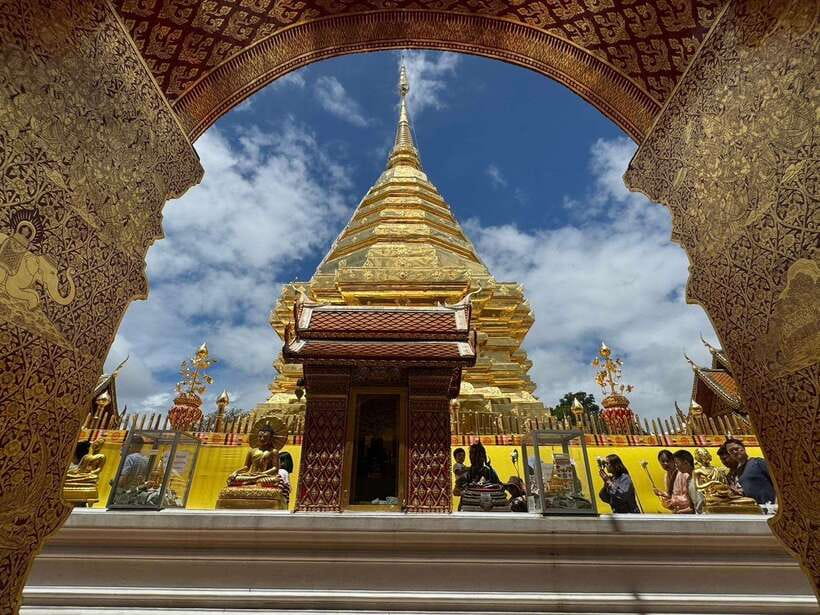
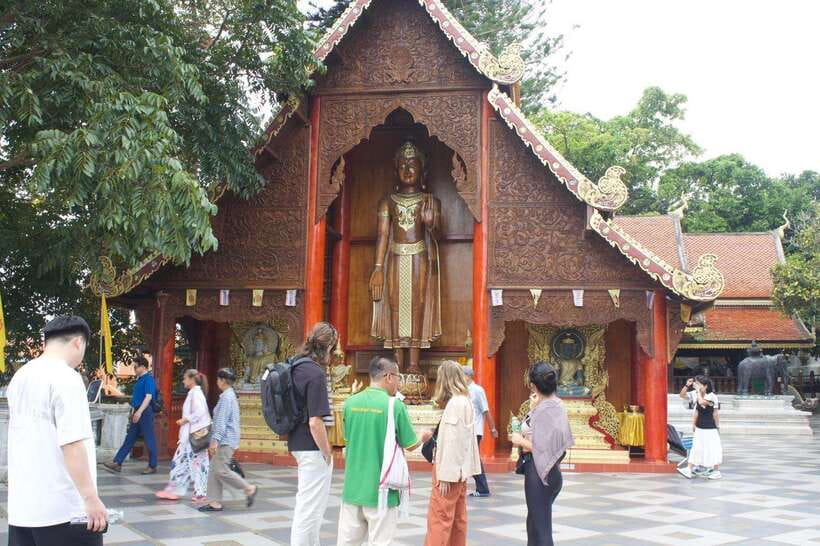
- Wat Phra That Doi Suthep: golden pagoda area with shrines, fruit trees, and rock gardens.
- Pon Elephant Thailand ethics: no forced performances, elephant-focused welfare approach.
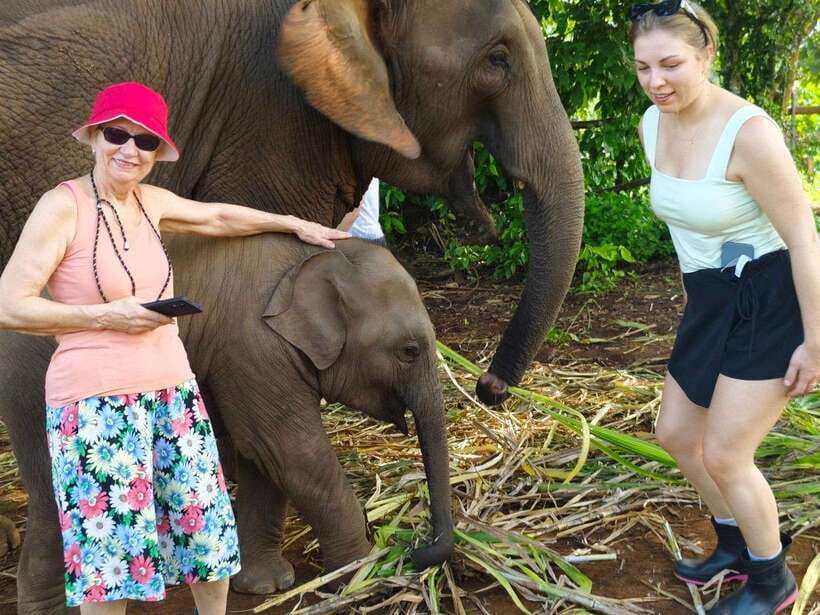
- Hands-on elephant care: feeding, walking in the forest, and river bathing plus food prep like medicine balls.
- Thai lunch: a homemade meal served after elephant time, with seasonal fruits and local desserts.
Chiang Mai in one long day: elephants plus Doi Suthep views
This is the kind of tour that makes Chiang Mai feel bigger. In a single day you can go from jungle quiet to mountain temple drama, then end with an elephant encounter that feels like you’re learning their routines instead of treating them like a show.
The structure also works well for how visitors usually plan. You get a morning built around walking and temples, then you spend a longer block at Pon Elephant Thailand in Mae Wang District. That matters because elephant care isn’t something you rush. You’ll spend about 3.5 hours with the sanctuary activities, including feeding and river bathing, before heading back.
The tour is priced at $57 per person, and the “value” part isn’t just the low sticker. It’s that your day includes an English guide, transport, entry tickets, lunch, drinking water, and elephant feeding food. Many separate tours in Chiang Mai charge extra for just one of those pieces.
You can also read our reviews of more tours and experiences in Chiang Mai.

Wat Pha Lat: starting in the woods, not in a crowd
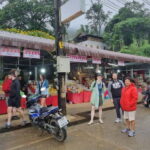
Your day begins with a van ride and then a walk toward Wat Pha Lat, a forest temple area that tends to feel quieter than the city’s main temple circuits. The trail is short enough to be comfortable for most people who can handle moderate walking, but it’s long enough to notice details.
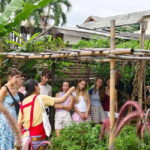
What I’d look forward to here is the setting. You’re not just walking between buildings. You’re moving through the kind of temple-nature mix Thailand does so well: a wooden tunnel, ordained trees, and a tranquil stream are specifically part of the experience you’ll encounter.
The payoff is twofold. First, you start the day in a calmer mood, which makes the later temple sites more meaningful. Second, you’ll have a guide who can connect what you’re seeing to Thai Buddhist practice and local beliefs, not just point at objects.
Practical note: wear shoes that can take jungle conditions. Even if the day stays dry, the ground can be uneven and dusty, and you’ll be walking before you’re done with the day’s activities.
Monk Trail hiking: calm steps, muddy surprises, and photo time
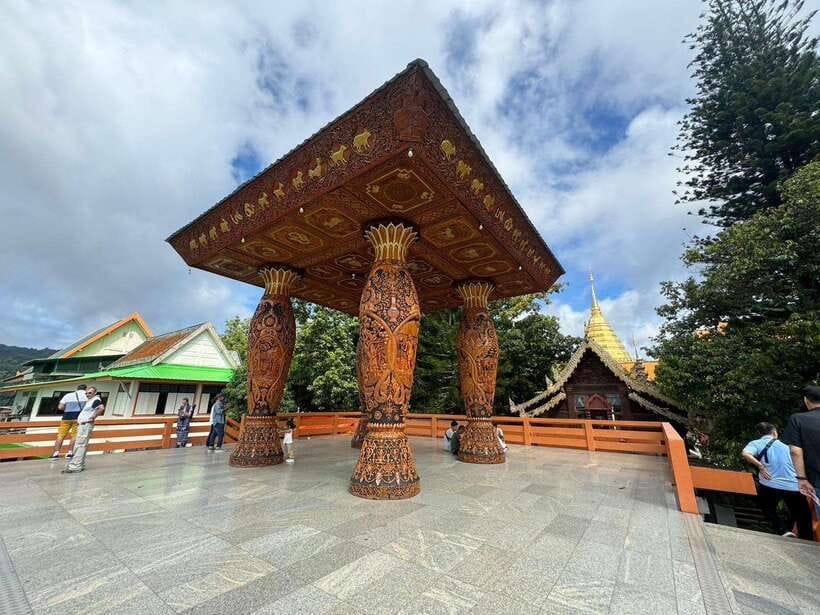
After the Wat Pha Lat stop, the day transitions toward Chiang Mai’s sacred mountain story. One of the best parts of this tour is that the “temple time” isn’t just one big viewpoint. You’ll also do the Monk Trail portion, which tends to feel more spiritual and less checklist-driven.
The trail is described as calming, and guides typically set expectations so you don’t feel lost. You’ll be walking while you learn, and you’ll often get enough time to pause for photos without feeling like someone is tapping the watch.
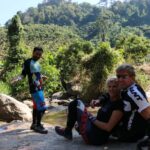
Still, you should plan for the reality of Thailand weather. Recent rain can make this area muddy, and some people report the downhill segment as the most challenging part. If you show up with flip-flops only, you’ll probably regret it.
What I like about this portion is the balance. It’s not framed as a hard trek, and it usually doesn’t feel like a forced workout. It’s more like a moving temple lesson, with nature noises and birdsong that can make the walk feel like a break.
Wat Phra That Doi Suthep: how to visit respectfully (and get great views)
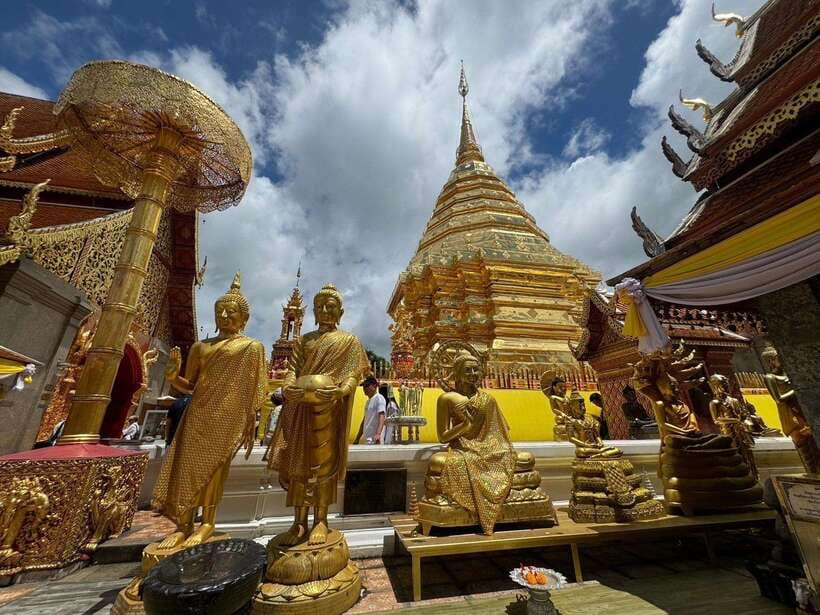
If Chiang Mai has a single iconic temple on the map, it’s Wat Phra That Doi Suthep. This is the stop where the day’s scale clicks into place.
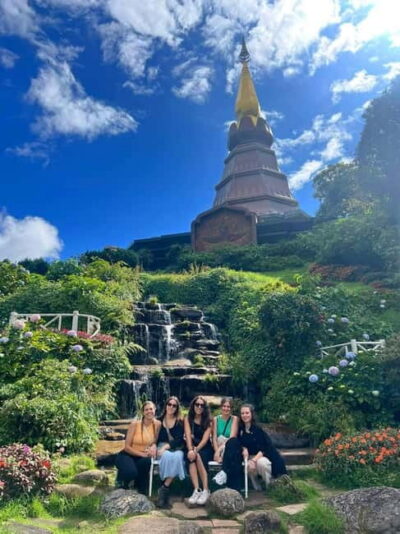
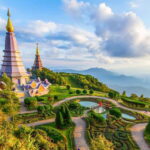
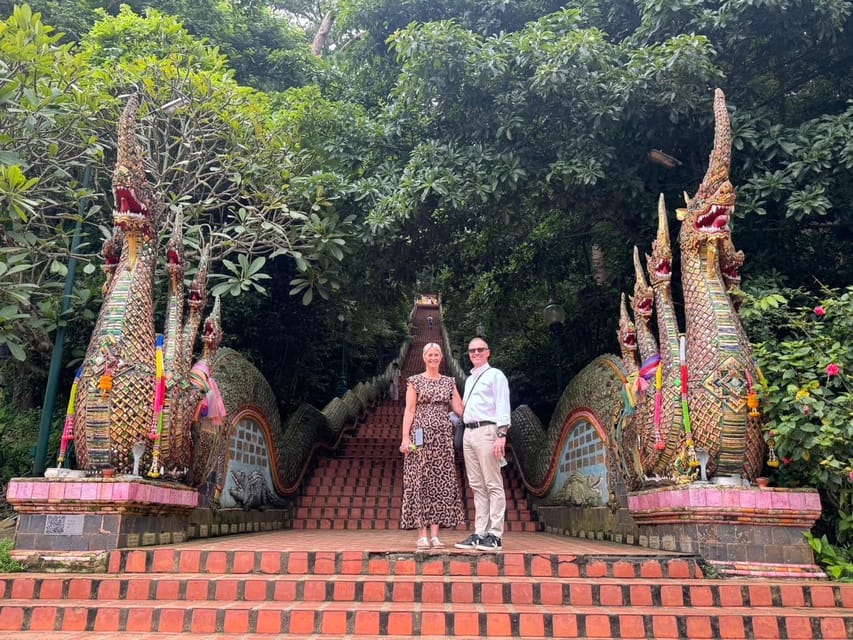
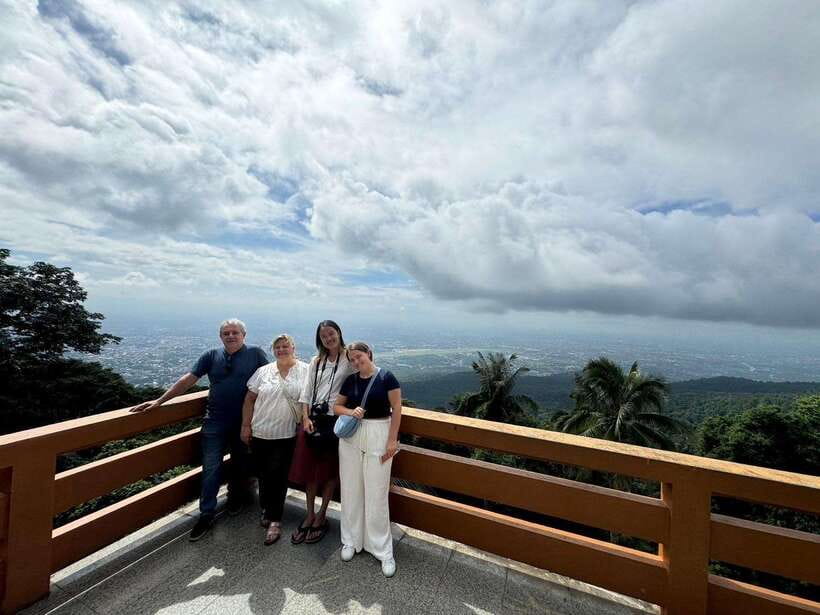
You’re going up to the mountain area to reach the sacred temple complex, known for its golden pagoda and temple halls. You’ll also spend time wandering the terrace area with shrines, fruit trees, and rock gardens. That combination matters because you’re not only looking at one main icon. You get to walk through layers of the site.
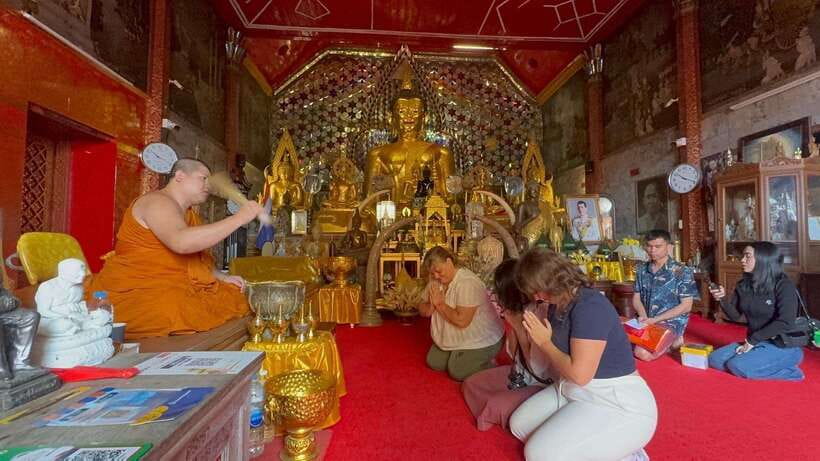
A good guide makes a huge difference here. In the better moments of this tour, your guide explains the symbolism and also helps you practice respectful temple behavior, like how to pray properly. Some guides have even helped guests with more hands-on moments, like time near monks and receiving a blessing. That’s not something I’d count on every day, but it’s a good sign that your guide is there to connect you to the culture, not just translate headlines.
Time-wise, plan for about 1.5 hours at Doi Suthep. That’s enough to see the major areas, soak in the view, and not feel rushed while climbing stairs.
If you’re afraid of heights, keep in mind that this is a mountain temple experience. The tour itself isn’t a good fit for everyone with height anxiety, and it’s listed as not suitable for people with that concern.
Pon Elephant Thailand in Mae Wang: feeding, forest walking, and river baths
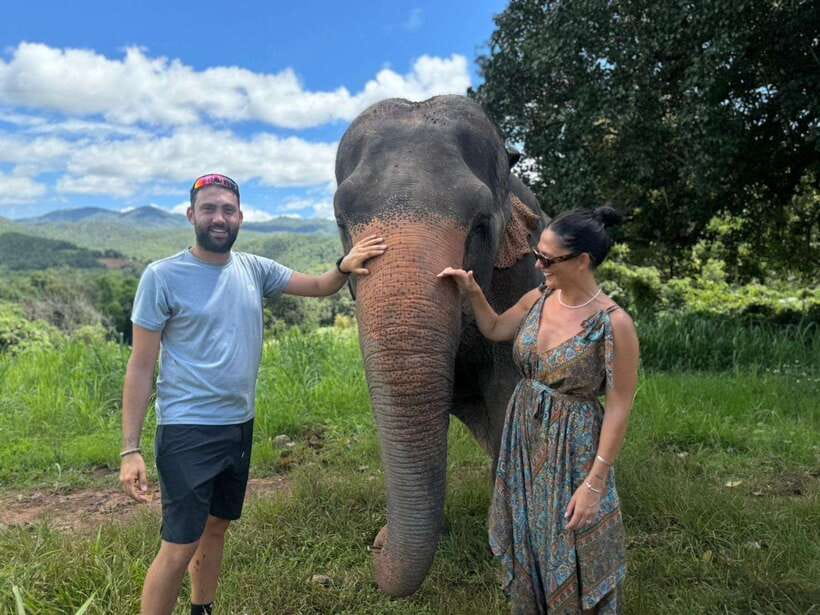
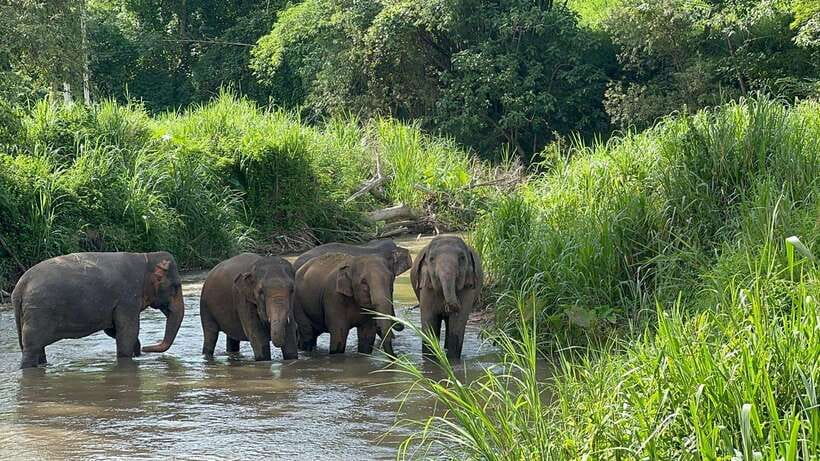
This is the heart of the day. The elephant portion runs about 3.5 hours at Pon Elephant Thailand in the Mae Wang District area, and the activities are built around welfare-first principles.
Here’s what you can expect to do:
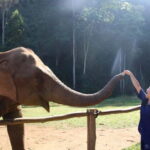
- Feed elephants with provided elephant food
- Walk alongside elephants through the forest
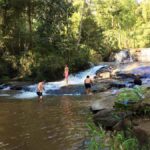
- Bathe elephants in a river setting
- Participate in making medicine balls for elephant nourishment
- Enjoy lots of photo opportunities while your guide helps with timing and respectful interaction
The tour is clear that elephants are not forced to perform. It also prohibits elephant riding. That matches what most people want when they book an ethical sanctuary experience.
One thing I really appreciate about this style of elephant day is that it teaches you how elephants behave. Your guide explains history and behavior of Thai elephants while you’re there, which changes how you look at every movement. Instead of thinking only about cuteness, you start noticing calm routines, how elephants respond to people nearby, and how the day’s activities are structured.
What to bring here is not optional. You’ll likely get wet. The tour provides shower rooms and toilets, but you still need to be ready with swimwear and a plan to change afterward. The included lunch happens later, so you’ll want to feel dry and comfortable by then.

Lunch with a local family: Thai comfort food, not a rushed stop
After elephants, you’ll eat. This tour includes an authentic Thai meal provided by a local family. That sounds simple, but it’s one of the smartest parts of the schedule because it keeps the food feeling tied to the day instead of being another drive-by restaurant.
You’re also told to expect seasonal fruits and local desserts. That’s a nice rhythm after elephant time, when you’re probably hungry and a little travel-worn.
One practical detail: some people have noted lunch can be less hot than they expected. That doesn’t mean it’s bad, just plan for the reality of outdoor or staged meal logistics. If you’re sensitive to temperature, you might mentally downgrade the expectation of steaming hot dishes and focus on the flavors and freshness instead.
Transport, timing, and what to pack for wet temple days
The tour runs as a full day, and the schedule has a clear rhythm: van rides between sites, then several hours on foot. Some people mention leaving around 8am and returning around 5pm, but your exact timing can vary with your pickup option.
Transport scores well, and the minivan experience is generally described as comfortable, with air conditioning and water on board. You also have transfers that cover Chiang Mai city center only, so if you’re outside that area, you may need to confirm what your pickup option includes.
For what to pack, I’d treat this as two trips in one: temple hiking plus elephant river bathing.
Bring:
- Comfortable shoes (not just sandals)
- Swimwear
- Change of clothes (recommended, and frankly necessary)
- Towel
- Sunscreen, insect repellent
- Clothes that can get dirty
- A basic first-aid item and any personal medicine
- Cash (listed as useful)
Also remember the temple rule. You’ll want shoulders and knees covered at temple stops. That’s easy to solve with a light layer or the right outfit before you go.
Not allowed items include drones, smoking in the vehicle, alcohol and drugs, and anything that would turn the day into a safety issue. Elephant riding is prohibited, and that’s part of the ethical structure.
Is it worth $57: where the value really comes from
At $57, this tour lands in a pretty reasonable category for Chiang Mai. But the real question is what you get for that money.
You’re not just paying for a taxi and a ticket:
- English guide for both temples and elephants
- All entry tickets for the temple visits
- Lunch and drinking water
- Food for feeding elephants
- Shower rooms and toilets at the sanctuary
- Travel accident insurance
You also get time that’s hard to replicate on your own without planning. Wat Phalat and Doi Suthep are manageable, but combining them with Pon Elephant Thailand requires coordination, especially if you want a guide to translate context and behavior instead of wandering.
Where you may feel the cost is in the “long day” factor. This tour asks you to be flexible, walk in uneven places, and accept that elephant bathing changes your plan. If you want a short, easy outing with minimal walking, this might not feel like the best fit.
If you want a day where you learn, move, and still come away with a clear memory of Chiang Mai that isn’t just temple selfies, it’s strong value.
Who this tour fits best (and who should skip it)
This works best for you if:
- You want an ethical elephant experience with feeding and bathing, not animal riding
- You like temple history and appreciate instructions on respectful prayer
- You’re comfortable with moderate walking and a longer day (about 5pm return)
- You’re the type who enjoys guides who tell stories, not just facts
It may be a poor match if:
- You have mobility impairments, back problems, heart conditions, epilepsy, motion sickness, altitude sickness concerns, or you fear heights
- You’re under the listed age limits (the tour is not suitable for children under 2) or you’re pregnant
- You’re expecting a fully seated day
If you’re unsure, think about the two “risk” points: the mountain temple environment and the possibility of muddy trail sections. Bring the right shoes and a change of clothes, and you’ll handle most of the surprises.
Should you book this Chiang Mai Elephant Sanctuary, Monk Trail & Doi Suthep Tour?
I think you should book it if your Chiang Mai trip has room for one memorable full-day structure: ethical elephant care in the morning-to-midday block, then a spiritual mountain temple finish with walking that feels more like a cultural experience than a workout.
Skip it if your ideal day is short, dry, and low-effort, because this includes wet elephant bathing and a trail portion that can get muddy.
If you do book, a smart move is to pack like you’re going to be outside all day: shoes you trust on uneven ground, swimwear ready, and a change of clothes you’re happy to put on afterward. Then you’ll get the best version of what this tour offers.
FAQ
FAQ
Is elephant riding included?
No. Elephant riding is prohibited on this tour. The activities focus on ethical elephant care like feeding, walking alongside, and bathing.
Do the elephants get forced to perform?
The tour states that elephants are not forced to perform any activities during the tour.
How long is the full day?
This experience runs for one day. The elephant camp activities are about 3.5 hours, and the Doi Suthep visit is about 1.5 hours.
What should I wear for the temple visits?
Dress properly for temples, meaning your knees and shoulders should be covered.
What is included in the lunch?
Lunch is included after the elephant experience, and it’s described as a homemade Thai meal with fresh seasonal fruits and local desserts.
What does the tour include for transfers and tickets?
The tour includes hotel transfers to and from Chiang Mai city center only, an English guide, drinking water, lunch, entry tickets, and elephant feeding food. Shower rooms and toilets are also included.