REVIEW · CHIANG MAI
Chiang Mai: Doi Inthanon National Park and Pha Dok Siew Trek
Book on GetYourGuide →Operated by Trips Chiang Mai · Bookable on GetYourGuide
Waterfalls and jungle stairs, in one smooth day. This day trip is interesting because it strings together Thailand’s top highland park, the iconic King and Queen Twin Pagodas, and a guided walk down through Pha Dok Siew to waterfall cascades; I especially love how the pace feels relaxed but still scenic. One heads-up: it’s mostly downhill and can involve lots of steps, so if your knees or ankles hate stairs, you’ll want to plan carefully.
I also like that you’re not stuck figuring out logistics. Hotel pickup, an air-conditioned van, English-speaking guides, a local hiking guide, drinking water, and a Thai set-menu lunch (vegetarian available) mean you can focus on the cool mountain air, coffee stops, and photo moments—whether your guide brings the fun energy you need (like Matthew, Bobo, Mint, or Jay) or keeps the group moving smoothly with plenty of timing for breaks.
In This Review
- Key points to know before you go
- Why Doi Inthanon feels like a different Thailand
- Pickup, breaks, and the rhythm of a packed full day
- Twin Pagodas: gardens, viewpoint energy, and real spiritual use
- Visitor center + snack time: the small stop that helps the whole day
- Pha Dok Siew Nature Trail: the gentle walk with real steps
- Karen village and coffee: culture stop with a practical purpose
- Mae Klang Luang viewpoints and market-style moments
- Wachirathan Waterfall: where the day’s effort pays off
- Price and value: what $39 covers, and what to plan for
- What to bring (and what to avoid) for a safer, more comfy day
- Should you book this Doi Inthanon and Pha Dok Siew day trip?
- FAQ
- What’s the duration of this Chiang Mai trip?
- Is lunch included?
- Are entrance fees included in the price?
- How hard is the Pha Dok Siew trek?
- What do I need to bring for the day?
- Is this tour suitable for wheelchair users or pregnant women?
- Do I get an English-speaking guide and a local hiking guide?
Key points to know before you go
- Doi Inthanon’s cooler mountain air helps the day feel lighter than Chiang Mai, even when you’re walking.
- Pha Dok Siew is gentle-to-moderate but still has downhill steps and uneven trail.
- Twin Pagodas take 45 minutes and are worth it for the gardens and viewpoint setting.
- Karen village coffee tasting is a highlight, and you’ll likely try freshly brewed local-style drinks.
- Wachirathan Waterfall gives a classic payoff after the trail.
- Guide quality really matters for making a packed day feel fun instead of rushed.
Why Doi Inthanon feels like a different Thailand
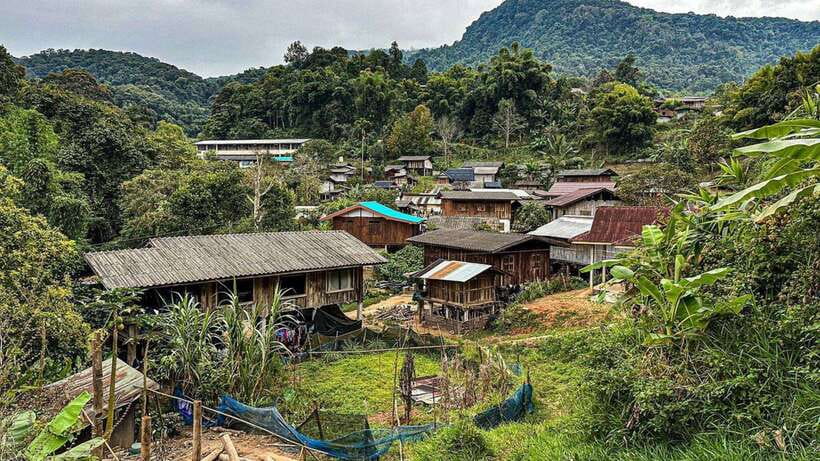
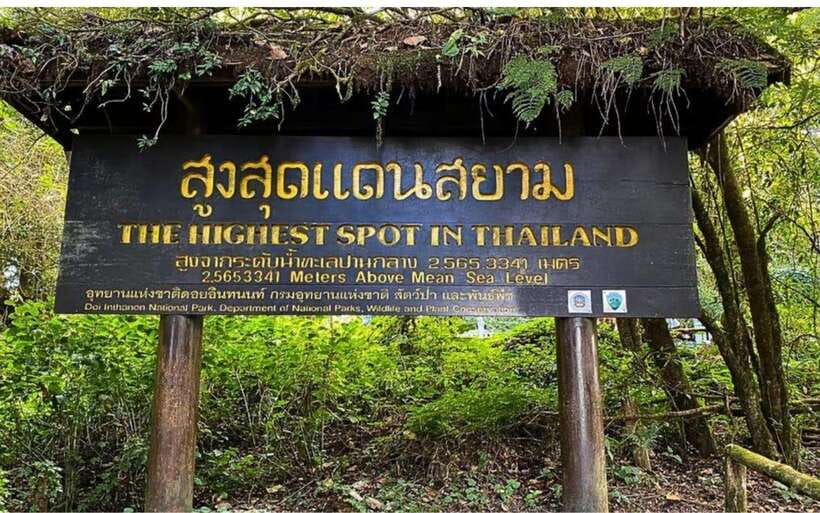
Doi Inthanon National Park sits at altitude (Thailand’s highest peak is here), so the air is noticeably cooler than the lowlands around Chiang Mai. That temperature shift is not just comfortable—it makes long sightseeing easier, especially if you’re traveling in hotter months.
The park experience also isn’t only about one waterfall. You’re moving between hill-kingdom cultural sites (the pagodas), mountain viewpoints, and forest trail sections where the vegetation and water cues change as you walk. If you like nature with context, this is a strong day because it connects scenery with how people live nearby—rice areas, village visits, and the coffee stop.
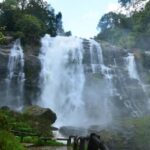
And yes, you’re going to see big water. Wachirathan Waterfall is the headline cascade stop, and it tends to feel most dramatic when the air is misty or the day is humid—conditions that are common in the wet season.
You can also read our reviews of more hiking tours in Chiang Mai
Pickup, breaks, and the rhythm of a packed full day
Expect a full-day schedule built around driving time and short breaks. The day typically starts with hotel pickup in Chiang Mai, then you head out in a comfortable air-conditioned van. There’s usually a quick break at a local café early on—handy for restrooms, water refills, and grabbing a snack if you get hungry before lunch.
Once you reach Doi Inthanon, the pace becomes “checkpoints with breathing room.” You’ll have a guided overview and photo time, then a visitor-center stop for snacks and small shopping. The day stays structured enough that you don’t lose time to confusion, but it still leaves enough free moments to slow down and look around.
A practical detail: timing can shift due to traffic and day-of operations, so this isn’t the best choice if you’re trying to squeeze it into a very tight schedule or a same-day arrival with strict clock plans.
Twin Pagodas: gardens, viewpoint energy, and real spiritual use
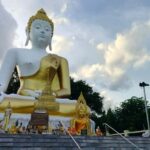
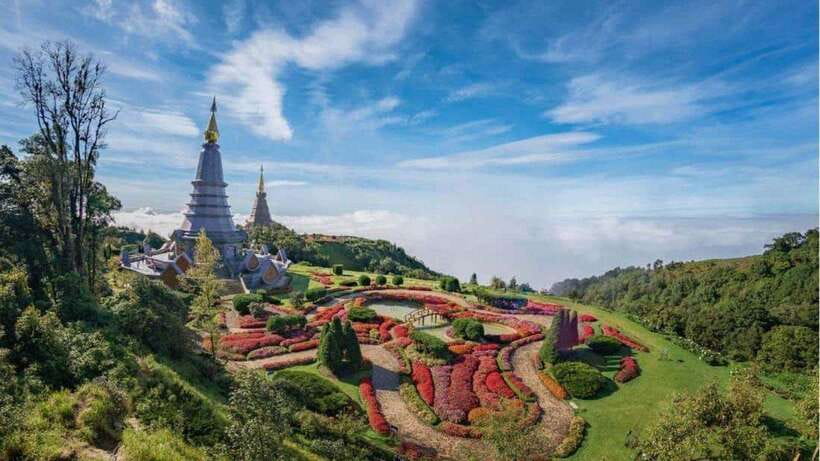
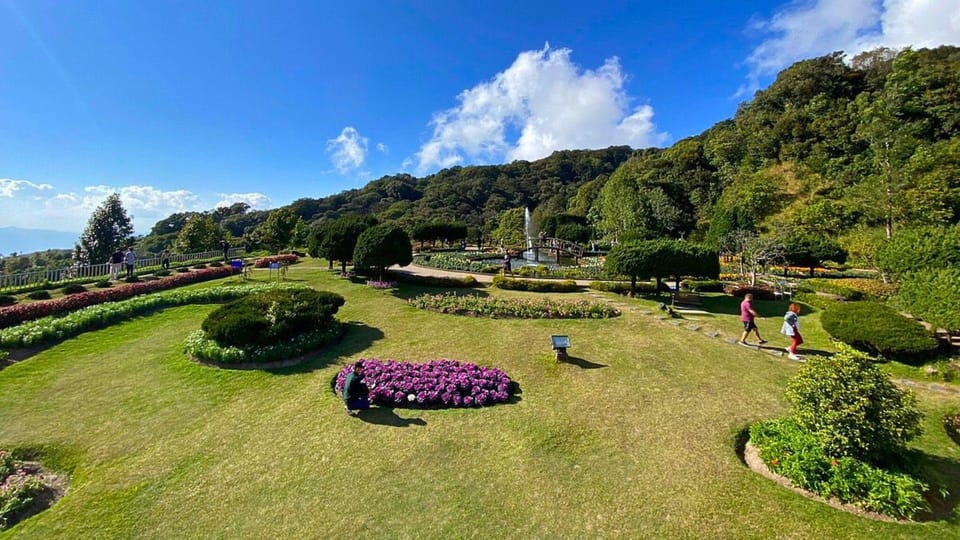
The King and Queen Twin Pagodas are famous for a reason: they’re photogenic, but they also feel like living places rather than staged monuments. You’ll stop for a guided visit plus free time to walk around and take in the landscaped gardens and panoramic mountain views.
This is a good spot to slow down. The pagodas give you a break from walking while still keeping the day scenic and meaningful. If the weather is clear, the viewpoints can be a highlight; if it’s cloudy, you’ll still enjoy the feel of the highland air and the calm grounds.
One planning note: if you choose an option that excludes entrance fees, the Twin Pagodas entry may be optional. You can wait at the parking area if you decide not to enter, which can help keep costs down—but you’d be skipping one of the most iconic cultural stops of the day.
Visitor center + snack time: the small stop that helps the whole day
The visitor center break is short but useful. It’s where you can refuel—snacks, small local items, and a chance to reset before the next part of the day. If you’re the type who gets hangry during tours, this is your moment to grab something quick so lunch doesn’t feel like it’s coming ages later.
It’s also a good chance to shop for lightweight keepsakes that actually fit the trip theme: practical items, small snacks, and local things that won’t add weight to your luggage. Don’t over-plan your calories here; just use it to set yourself up for the trail walk later.
Pha Dok Siew Nature Trail: the gentle walk with real steps

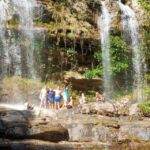
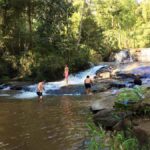
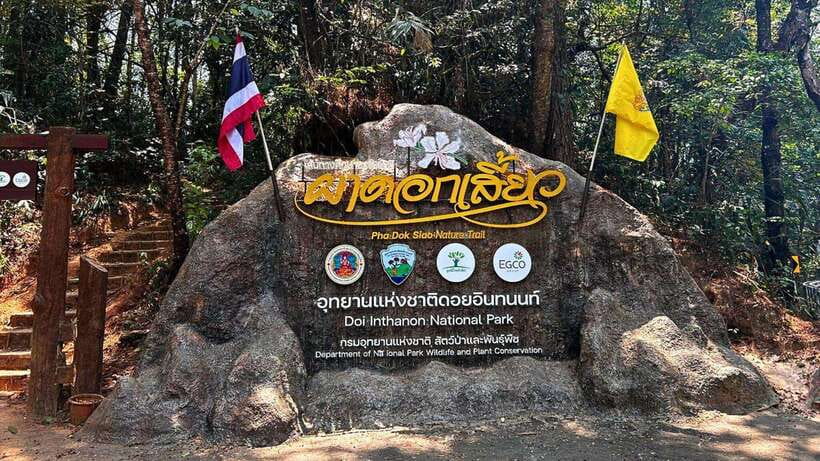
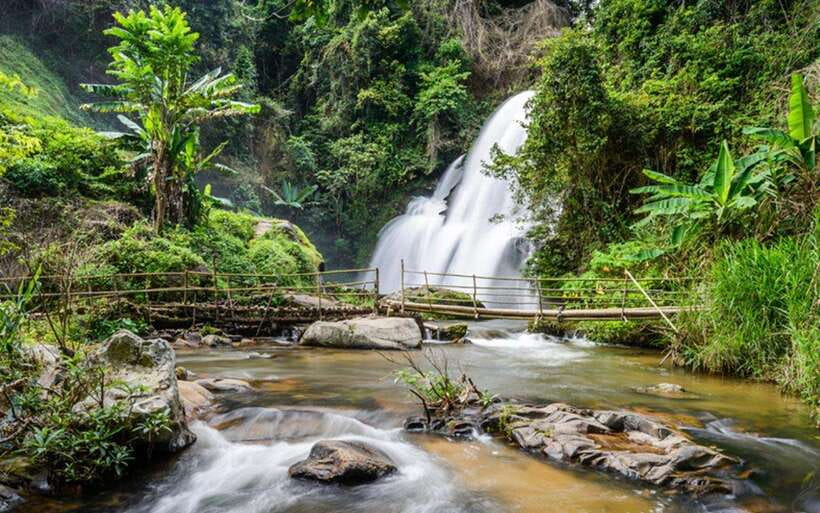
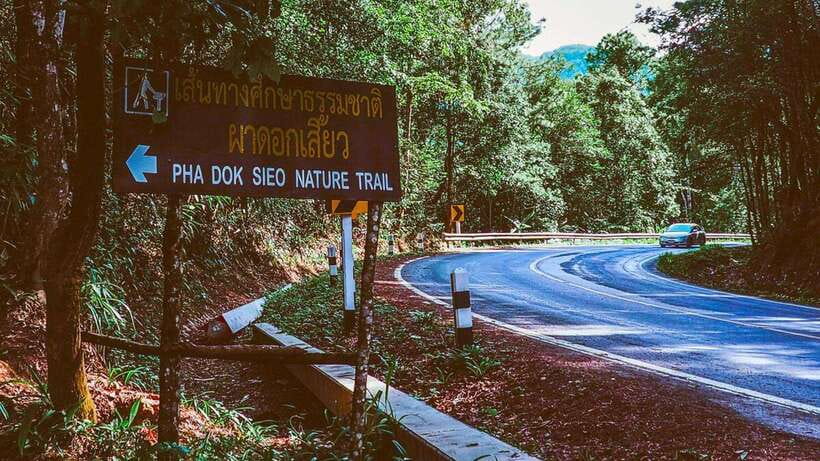
This is the heart of the experience. The Pha Dok Siew Nature Trail is described as gentle, and for many people it feels like an easy-to-moderate guided hike. You’ll walk for about two hours, following a mountain stream corridor with forest paths and waterfall cascades along the way.
Here’s the honest reality check: it’s not a smooth nature stroll. Multiple reviews point out that there are a lot of stairs and steps during the downhill sections. The trail is often manageable if you’ve got decent balance and normal walking stamina, but if you’ve got knee or ankle sensitivity, it can feel tougher than the word gentle suggests.
Season affects the visual payoff. If you’re walking during:
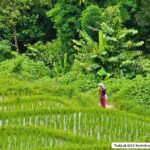
- July–September, rice terraces are often lush and green.
- October–November, you may catch golden fields near harvest.
- December–June, terraces may look dry or freshly planted depending on conditions.
Even when the rice view isn’t picture-perfect, the trail itself remains the point. You’re in cooler forest shade, the sound of water is constant, and you get repeated chances for photos. On rainy days, the ground can get slippery and muddy—so sturdy shoes matter a lot.




Karen village and coffee: culture stop with a practical purpose
After lunch, you’ll head toward Mae Klang Luang and then into the broader village-cultural rhythm of the day (including a Karen village component). This is where you trade “tour mode” for “human mode.”
The coffee part is a standout. You’ll have freshly brewed coffee made from locally grown beans, plus tea tastings in some form. The point isn’t fancy barista performance—it’s learning how locals enjoy and prepare their everyday drinks, and tasting the result with mountain-grown flavor.
If you’re expecting a long, hands-on process tour from bean to cup, you might find this segment leans more toward tasting and simple explanations than deep behind-the-scenes processing. Still, it’s one of the more memorable cultural moments of the day because you’re tasting something made locally instead of just buying it in a shop.
Also, keep your curiosity hat on. Guides often point out plants and small details along the way, and local guides add extra context about how people live and farm in the hills.
Mae Klang Luang viewpoints and market-style moments
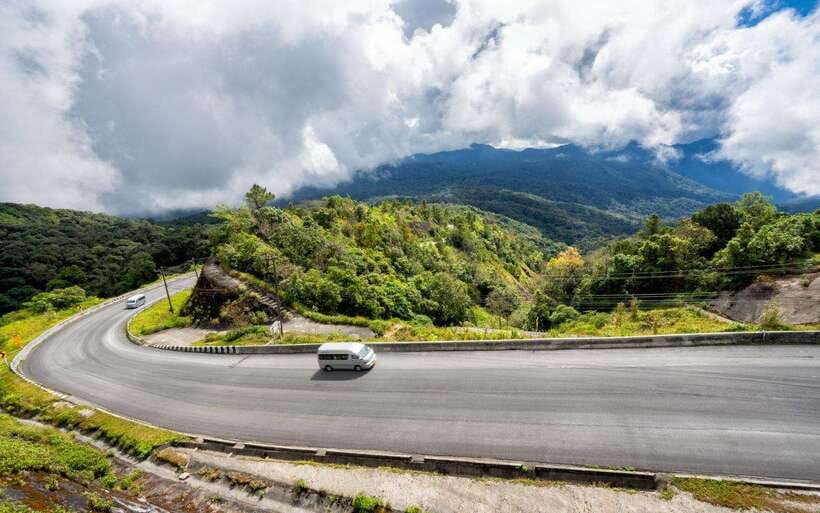
The Mae Klang Luang stop is short (around half an hour), but it works as a breather. You’ll have photo time, some guided context, and a chance to shop a bit. The best use of this stop is mental: recharge, take a few photos, and treat it like the transition between trail walking and the final waterfall payoff.
If you love regional treats and small tastings, this is often where you can pick up something seasonal. Some days include extra fruit or tasting-style moments depending on timing and availability.
Wachirathan Waterfall: where the day’s effort pays off
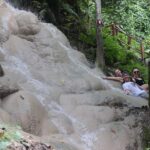
After all that walking and cultural stops, you get the classic finale: Wachirathan Waterfall. It’s the kind of waterfall stop that makes sense even if you’re not a hardcore hiker—because you get a chance to see the scale of the cascades and take photos without committing to a second trail circuit.
You’ll have a short break with photo opportunities and sightseeing time. The exact vibe depends on weather: misty days can make the view feel softer and atmospheric; heavy rain can make everything louder and more dramatic (but also more slippery nearby, so stay aware of footing).
If you’re traveling in the rainy season, don’t skip this part thinking it won’t be worth it. Waterfalls can be at their best when the forest is wet and active. Just plan your comfort with shoes and insect repellent.
Price and value: what $39 covers, and what to plan for
The advertised price is $39 per person for a one-day trip, and the value comes from what’s packaged together:
- Hotel pickup and drop-off in Chiang Mai
- Air-conditioned transport
- English-speaking tour guide
- Local hiking guide
- Thai set-menu lunch (vegetarian available upon request)
- Drinking water
- Hiking trail fee
- Accident insurance (passport copy/photo is required on the travel date)
Entrance fees are where pricing can change depending on the option you select:
- If you choose all fees included, entrances are covered and you shouldn’t need extra cash on the day.
- If you choose excluding entrance fees, you’ll pay in cash: 300 THB per person for the national park and 100 THB per person for the Twin Pagodas entry (optional—there’s an option to wait at the parking area if you skip).
That fee choice matters mainly if you want to keep spending predictable. Either way, the core value stays strong because you’re paying for guides, transport, lunch, and organized access—not just a ticket.
What to bring (and what to avoid) for a safer, more comfy day
Bring the basics that match a humid mountain forest:
- Hiking shoes with grip (trail can be muddy/slippery)
- Sunglasses and a hat
- Sunscreen
- Insect repellent
- Hand sanitizer or tissues
- Optional but smart: a light rain layer or sweater, since upper areas can feel cold when clouds roll in
Avoid bringing pets. And note the restrictions: this tour isn’t suitable for wheelchair users and it’s listed as not suitable for pregnant women.
If you’re prone to discomfort on stairs, make peace with the downhill steps. The reviews repeatedly flag the step-heavy nature of the trail, so set your expectations and wear shoes that won’t betray you halfway down.
Should you book this Doi Inthanon and Pha Dok Siew day trip?
Book it if:
- You want a single-day highlight hit: pagodas + waterfall + a guided forest walk
- You like nature that’s easy-to-moderate rather than all-day climbing
- You value a guide who keeps the day running with clear timing and good humor—many experiences mention guides like Matthew, Bobo, Steven, Mint, Maxi, Jay, and others making the day more enjoyable
Skip or think twice if:
- Your knees or ankles are sensitive to steps and uneven downhill paths
- You’re traveling with a need for true low-impact walking
- You’re on a super tight schedule where a full-day drive could stress you out
If you do book, treat footwear as non-negotiable. And if rain is in the forecast, pack a little extra caution along the trail and give yourself time to enjoy the waterfalls instead of rushing to the next stop.
FAQ
What’s the duration of this Chiang Mai trip?
It’s a 1-day tour, with hotel pickup and drop-off back in Chiang Mai.
Is lunch included?
Yes. A Thai set-menu lunch is included, and a vegetarian option is available upon request.
Are entrance fees included in the price?
It depends on the option you choose. If you select all fees included, entrances are covered. If you select excluding entrance fees, you pay in cash on the day: 300 THB per person for the national park and 100 THB per person for the Twin Pagodas (optional).
How hard is the Pha Dok Siew trek?
It’s listed as easy to moderate. It includes a downhill trek of about 500 meters descent and involves a lot of stairs and steps, so it can feel harder on knees and ankles.
What do I need to bring for the day?
Bring sunglasses, a hat, hiking shoes, sunscreen, insect repellent, and hand sanitizer or tissues.
Is this tour suitable for wheelchair users or pregnant women?
No. It’s not suitable for wheelchair users and it’s listed as not suitable for pregnant women.
Do I get an English-speaking guide and a local hiking guide?
Yes. You’ll have an English-speaking tour guide and a local hiking guide for the trek.