REVIEW · CHIANG MAI
Chiang Mai: Doi Inthanon National Park & Waterfall Day Tour
Book on GetYourGuide →Operated by CHIANGMAI SIAM TRAVEL LTD.,PART. · Bookable on GetYourGuide
Cool air beats the Chiang Mai heat.
This Doi Inthanon day tour turns a city day into a mountain reset, with higher-than-anywhere-in-Thailand scenery and real village stops. I particularly like how the trip mixes viewpoints and short nature walks with local experiences, and how the English-speaking guides (Ize, Mumu, Austin, Piano/Porpia) keep it friendly and practical from stop to stop.
Two things I really like: the King and Queen’s pagodas for the gardens and wide views, and the chance to see hill-tribe culture up close at Mae Klang Luang (including terrace rice fields and locally grown coffee when conditions allow). The only real drawback is that the day can feel long by the end, especially if you’re expecting just a quick sightseeing loop.
In This Review
- Key things to know before you go
- Why Doi Inthanon feels like a different world
- Getting there: pickup timing, the drive, and what to pack
- The Ang Ga trail: your short rainforest reset
- Twin pagodas at Pra Mahatat Noppamethanedon and Pra Mahatat Nopphonphusiri
- Hmong Market stop: browse, sample, and buy only if it fits
- Lunch in the park: Thai set menu and a real reset
- Mae Klang Luang: Karen terraces, coffee, and a calmer cultural moment
- Wachiratharn Waterfall: the wet, late-day finale
- Price and value: what $50 covers, and what you’ll still pay
- Who this tour suits (and who should skip it)
- Should you book this Doi Inthanon day tour?
- FAQ
- How long is the Chiang Mai: Doi Inthanon day tour?
- When does pickup happen?
- Where is the meeting point if I’m not staying in the pickup zone?
- What stops are included in the itinerary?
- Is lunch included?
- Are the national park and pagoda entrance fees included?
- What should I bring for the day trip?
- Is the tour suitable for people with heart problems?
Key things to know before you go
- Cold mountain weather is part of the plan year-round, even when Chiang Mai feels hot.
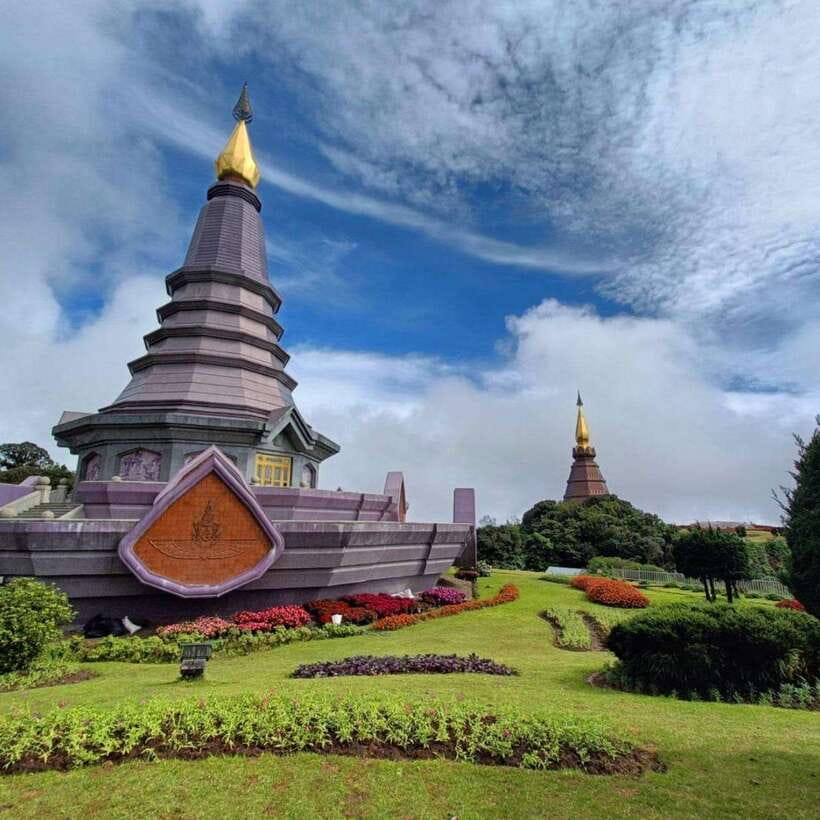
- Twin pagodas deliver calm gardens plus big panoramic photo angles.
- Karen hill-tribe village + terraces give you a more grounded cultural stop than a typical roadside photo stop.
- Ang Ga trail is short (about 25–30 minutes), but it’s a great taste of the forest.
- Wachiratharn waterfall is last, so expect wet shoes and slick paths near the water.
- Comfort-first logistics: air-conditioned transport and a tour pace that usually leaves time to look around.
Why Doi Inthanon feels like a different world
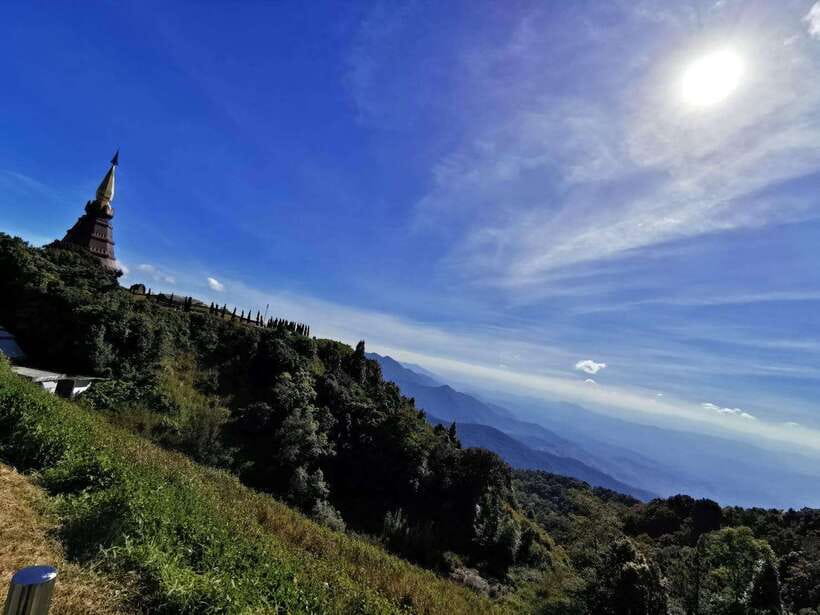
Doi Inthanon is Thailand’s highest mountain, so it changes the vibe fast. You’re going from Chiang Mai’s lowland rhythm into a cooler, cloudier world where the air feels heavier and the forest looks alive in a way you don’t get on flat ground.
I also like that this trip doesn’t pretend you’ll hike all day. You do a short walk in the park (the Ang Ga trail), then you shift into viewpoints, markets, and village time. That pacing matters because you’ll actually enjoy each stop instead of feeling like you’re rushing from one scenic postcard to the next.
One more thing: guides really shape how this day lands. People consistently mention guides who are funny, warm, and organized, including Ize and Mumu early in the morning energy, and Austin’s easygoing knowledge later. If you like learning while you travel, this kind of guided structure is a big part of the value.
You can also read our reviews of more tours and experiences in Chiang Mai.


Getting there: pickup timing, the drive, and what to pack
You’ll start with pickup from your accommodation between 8:00 AM and 8:30 AM, so plan for an early morning shuffle. The drive to Doi Inthanon National Park takes about 1 hour and 45 minutes, which is long enough to settle in—this isn’t a “step outside and you’re there” tour.
Because the mountain stays cool most of the year, pack for weather swings. You’ll want:
- Warm clothing (a jacket and layers)
- Long pants + long-sleeved shirt
- Sports shoes with grip
- Hat and umbrella
- Insect repellent
- Cash (handy for snacks or optional spending)
I’d treat this like a “weather-ready” day, not just a sightseeing day. Even when it doesn’t feel freezing, the park can be damp and breezy.
Also, the tour involves walking on uneven ground. A few reviews specifically flag slippery areas around the waterfall—so shoes aren’t optional if you want to move confidently.
The Ang Ga trail: your short rainforest reset
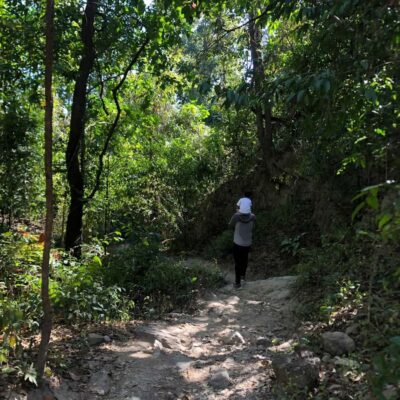
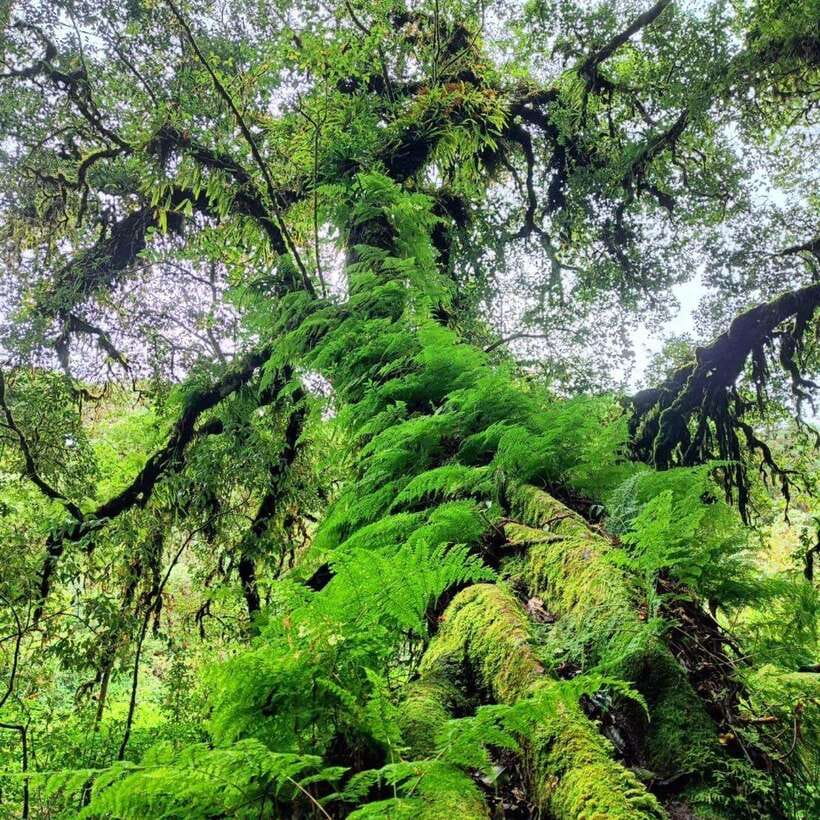
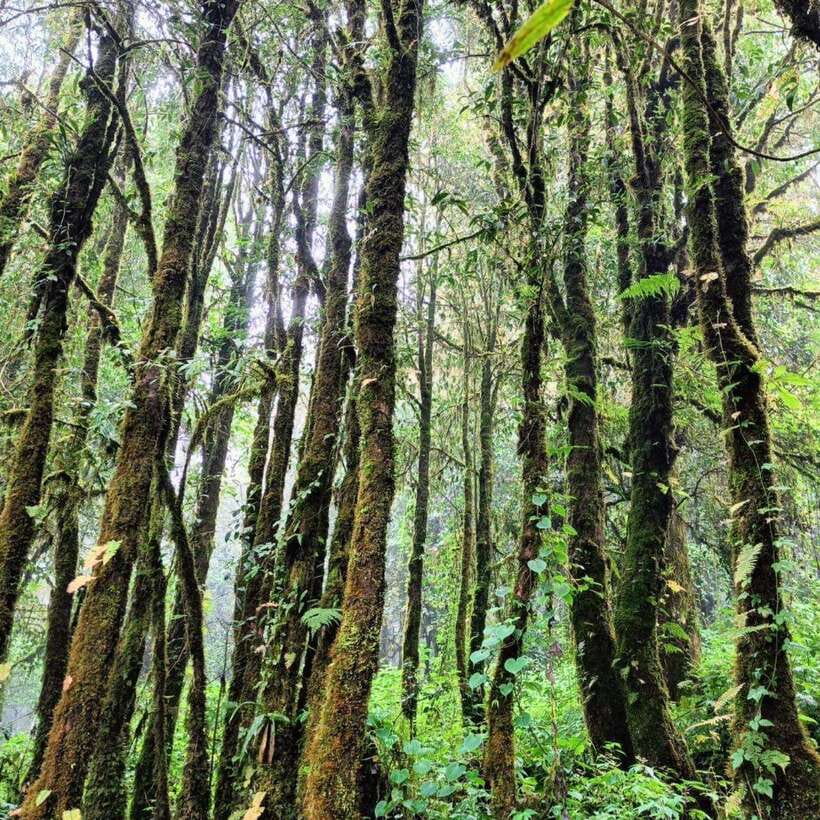
Once you’re in the park, you get a walk on the Ang Ga trail for about 25–30 minutes. This is the kind of nature time that works even if you’re not a big hiker: enough walking to wake up your senses, not enough to drain you.
What you’ll notice quickly is how green and dense the area feels, especially with the park’s humid, cooler air. The short duration is the sweet spot. You can slow down, look around, and take photos without thinking about turning back too soon.
If you’re traveling with limited time or you don’t want a heavy hike, this trail is a good compromise. And if you’re the type who likes “just one scenic walk” before switching to cultural stops, Ang Ga does the job well.
Twin pagodas at Pra Mahatat Noppamethanedon and Pra Mahatat Nopphonphusiri
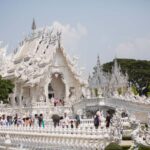
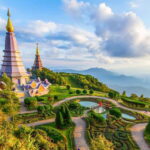
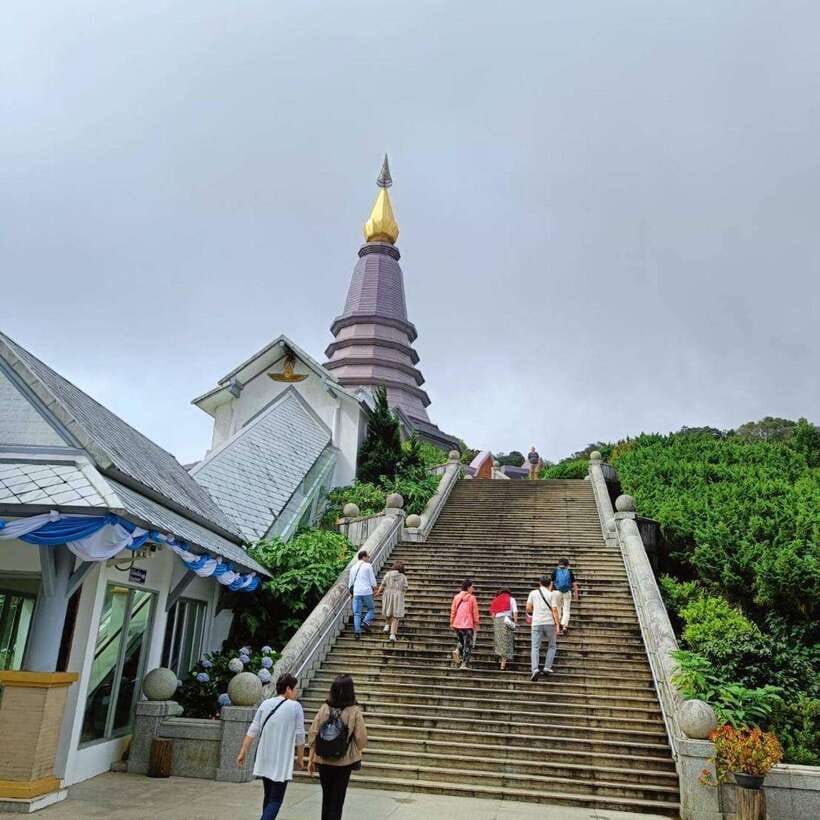
The King and Queen’s pagodas (Pra Mahatat Noppamethanedon and Pra Mahatat Nopphonphusiri) are a highlight for good reason: they’re peaceful, landscaped, and built for views. You don’t just look at a monument—you stand there and actually enjoy the scenery.
These pagodas work especially well after the forest walk. Your eyes get a break from tree cover and switch to open sightlines. Reviews mention the views as beautiful, and they also emphasize the gardens, which makes the stop feel calmer than a typical “quick photo then go” temple visit.
Practical tip: wear layers and keep an eye on the clouds. The mountain weather can change your light fast, which means your best photos might come from a short pause rather than a long session.
Hmong Market stop: browse, sample, and buy only if it fits
After the main park and pagodas, you’ll visit the Hmong Market. This is where the day shifts from high-altitude nature to human-scale culture and local goods.
The value here isn’t just shopping. One of the most repeated “small win” moments is sampling. People mention lots of samples to try before buying local produce. That’s a smart way to approach markets: taste first, then decide.
If you like carrying home small food items or tea, this can be a fun stop. If you’re not into markets, focus on the atmosphere and snacks rather than expecting a huge, structured shopping experience.


Lunch in the park: Thai set menu and a real reset
Lunch is included as a Thai set menu, and it’s typically where you refuel before the cultural village and waterfall stretch. I like this setup because you don’t have to guess where to eat after long drives and walking.
One review mentions lunch being super delicious, and another points out the tour handled a vegetarian need by providing suitable options. That’s the kind of detail that makes a guided day tour feel smoother.
If you’re sensitive to travel schedule timing, keep in mind lunch comes after the pagoda/park section. It’s not late in the day, so you’ll likely feel better for the next two stops.
Mae Klang Luang: Karen terraces, coffee, and a calmer cultural moment
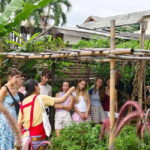
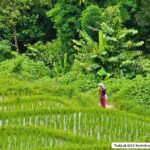
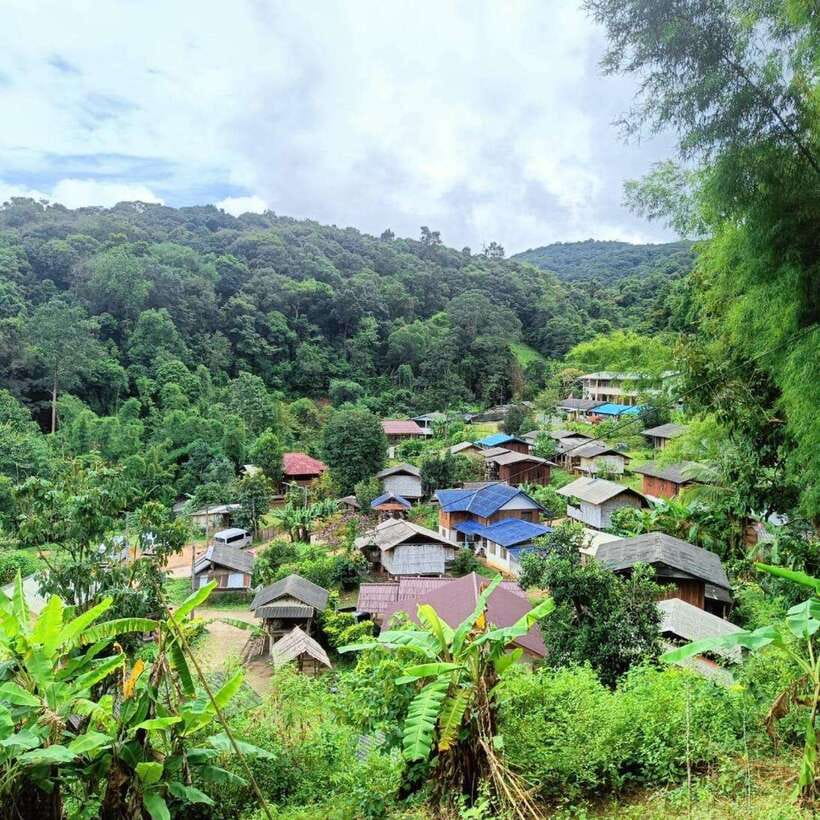
Next comes Mae Klang Luang, where you’ll visit Karen hill tribes and the terraced rice fields. This is where the tour feels most grounded. You’re not just seeing scenery—you’re seeing how people live with the land.
What I like about this stop is that it’s not framed as a quick show. You get time to look around, learn, and take in the terrace patterns that create those layered hillside “steps.” When you’re in the lowlands, rice farming can look flat and simple. On these terraces, you see the work and planning behind it.
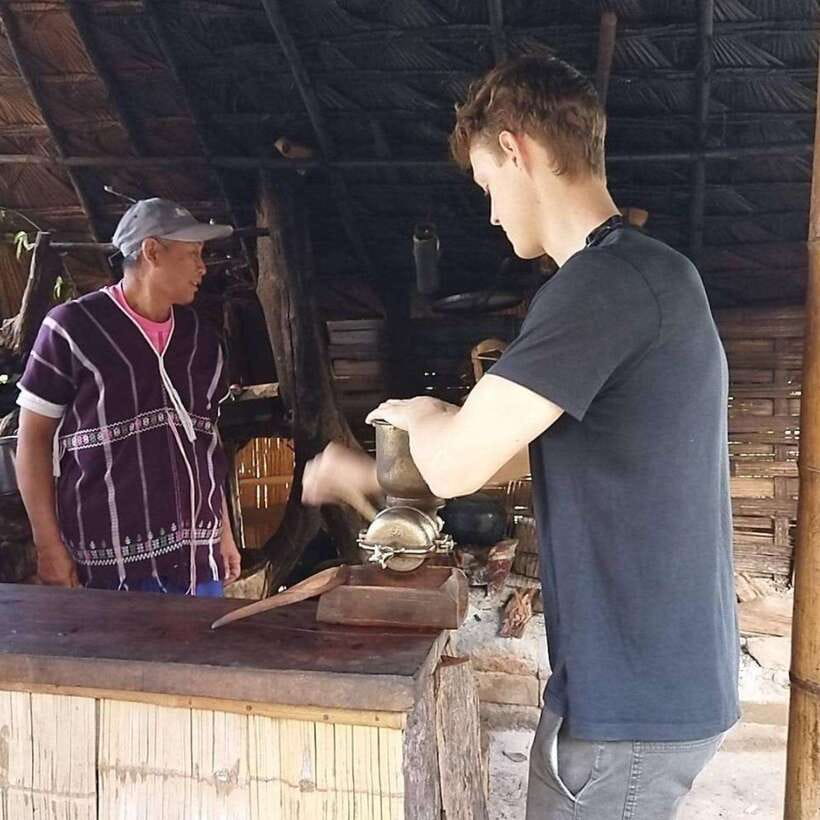
You’ll also have a cup of freshly ground locally grown coffee. The tour notes that the rice-field visit depends on season, but the coffee moment is part of the experience when conditions work out.
If you enjoy practical travel details—how food is made, how local crops are grown, how communities connect to geography—this is likely one of your favorite parts of the day.
Wachiratharn Waterfall: the wet, late-day finale
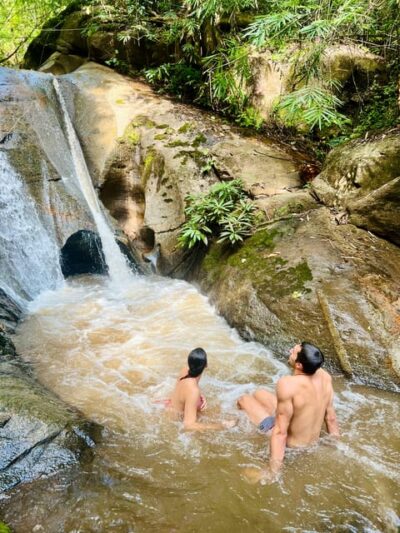
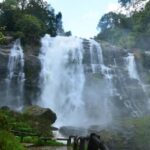
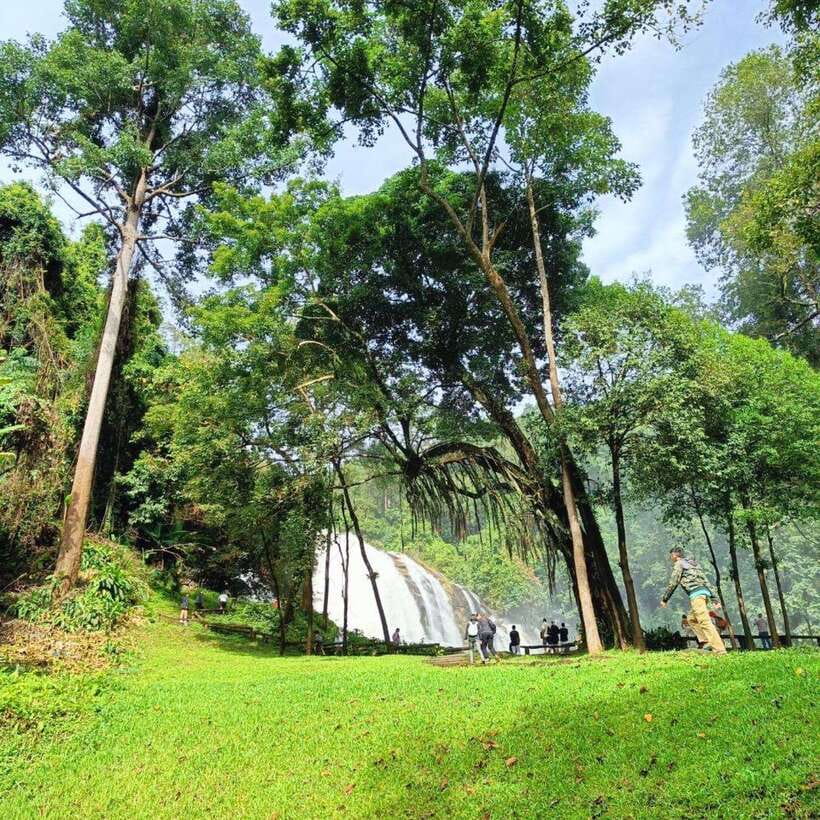
The day ends with Wachiratharn Waterfall, which means it’s your last big “wow” moment before heading back to Chiang Mai. Expect to get wet. Even if you don’t mean to, mist and splashes are part of the experience here.
A few reviews also mention that paths around the waterfall can be slippery, with notes about safety around the wet sections. My advice is simple: walk slowly, keep your footing, and choose shoes that actually grip. Long pants help, and an umbrella can be useful for unexpected spray.
Because it’s last, you’ll likely feel the day’s fatigue while standing near the falls. That doesn’t mean it’s less impressive—it just means your best move is to slow down when you’re near the water.
If you’re the type who loves photos, this is a strong spot. If you don’t enjoy getting wet, bring a plan: quick drying clothes or a spare layer helps a lot.
Price and value: what $50 covers, and what you’ll still pay
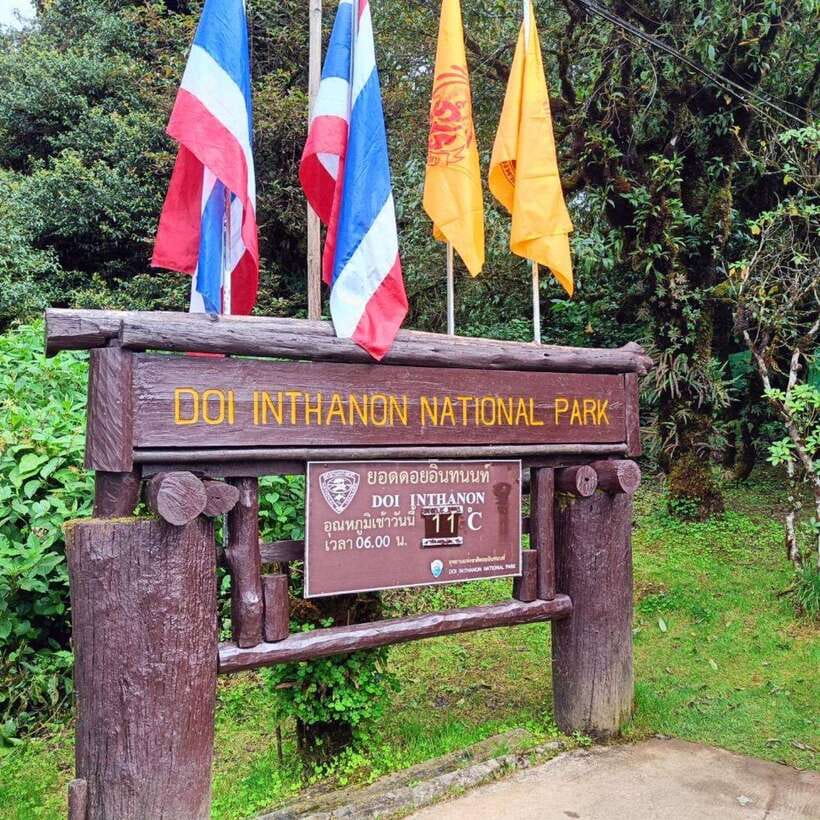
At $50 per person for a roughly 9-hour day trip, the price is less about “transport and a ticket” and more about stitching together multiple experiences into one smooth schedule.
You get:
- Air-conditioned vehicle
- English-speaking guide
- Drinking water
- Lunch (Thai set menu)
- Entrance fees if option is selected
- Hotel pickup/drop-off (if you choose it)
What’s not included (unless your chosen option says otherwise) are the entrance fees:
- National Park fee: 300 Thai baht/person
- Twin pagodas fee: 100 Thai baht/person
That’s the cost equation to keep in mind. In plain terms: you’re paying for the time saved, the guiding, and the convenience of getting to multiple locations without renting a car. If you were driving yourself, you’d still spend money on fuel, parking, and getting an organized plan that doesn’t turn into confusion on mountain roads.
Where the value really shows up is guidance quality. Multiple reviews highlight guides who manage the pace well, keep things organized without rushing, and add useful context—especially around hill tribe culture and nature.
Who this tour suits (and who should skip it)
This is a great fit if you:
- Want a full day outside Chiang Mai without renting a car
- Like guided storytelling and practical context
- Prefer short walking segments over long hikes
- Want a mix of nature, temples, markets, and village culture
It’s likely not a good idea if you have heart problems, since the day includes walking, uneven footing, and cold/damp mountain conditions.
Also, consider your expectations about hiking and cold. Some people came away saying they expected it to be colder or more hike-heavy than it ended up being. Either way, the safe move is to bring warm layers because mountain weather can be unpredictable.
Should you book this Doi Inthanon day tour?
If you want the “best of Doi Inthanon in one day” formula, I think this tour is an easy yes. The combination of Ang Ga trail, the twin pagodas, Mae Klang Luang, and Wachiratharn Waterfall is a strong mix, and the guide-driven structure seems to be what makes the day feel thoughtful instead of hectic.
I’d book it if:
- You’re okay with an early start and a long day
- You pack for cool, wet mountain conditions
- You want cultural stops that go beyond just looking at a viewpoint
I’d think twice if:
- You hate slippery-walk situations and getting wet near waterfalls
- You’re expecting a major hike or all-day trail trekking
- You don’t do well with long, structured itineraries
FAQ
How long is the Chiang Mai: Doi Inthanon day tour?
The duration is listed as 9 hours.
When does pickup happen?
Pickup from your accommodation is between 8:00 AM and 8:30 AM.
Where is the meeting point if I’m not staying in the pickup zone?
You should come to the meeting point 5 minutes before 8:00 AM. If your location is more than 2 kilometers from the downtown old city, you’ll likely need to choose the meeting point option.
What stops are included in the itinerary?
The tour includes visits to Doi Inthanon National Park, the King and Queen’s pagodas, the Hmong Market, Mae Klang Luang (Karen hill tribes and terraced rice fields), Wachiratharn Waterfall, plus lunch.
Is lunch included?
Yes. Lunch is included as a Thai set menu.
Are the national park and pagoda entrance fees included?
Entrance fees are not included by default. The listed fees are 300 Thai baht/person for the national park and 100 Thai baht/person for the twin pagodas (unless your selected option includes entrance fees).
What should I bring for the day trip?
Bring warm clothing, a jacket/long-sleeved shirt, long pants, sports shoes, an umbrella or hat, camera, insect repellent, cash, and any personal medication.
Is the tour suitable for people with heart problems?
No. It’s listed as not suitable for people with heart problems.