REVIEW · CHIANG MAI
Chiang Mai Monk’s Trail Wat Pha Lat & Visit Wat Doi Suthep
Book on GetYourGuide →Operated by CHIANGMAI SIAM TRAVEL LTD.,PART. · Bookable on GetYourGuide
Two temples, one jungle walk, zero boredom. This tour ties together the calm, forest-feeling Wat Pha Lat and the big-sky sacredness of Wat Phra That Doi Suthep in about five focused hours. I love the walking time on the monk’s trail and how it slows you down, and I love that your English guide can explain what you’re seeing in a human way, from Buddhist ideas to animist rituals, with guides like Phon Phon, Danny, and Bun.
One thing to consider: the monk’s trail is a real hike on uneven ground. It’s about 45 minutes to 1 hour downhill (with an option to walk up), and it is not wheelchair-friendly, so bring proper shoes and be ready to take it at an honest pace.
In This Review
- Key things to know before you go
- A 5-hour Chiang Mai combo that moves at the right speed
- Pickup and timing: morning comfort, quick return to town
- Wat Pha Lat: where the forest makes the temple feel quieter
- The monk’s trail walk: downhill ease, uphill choice, rocky reality
- Wat Phra That Doi Suthep: sacred pagoda, relic story, and big views
- Your guide matters more than you think
- What’s included (and why it’s good value at $73)
- What to bring and how to prepare for a temple hike day
- Who this tour suits best, and who should rethink it
- Should you book this Chiang Mai temple-and-trail tour?
- FAQ
- How long is the tour, and when do we return?
- What’s included in the price?
- Is the Doi Suthep climb all stairs?
- How long is the monk’s trail walk?
- Where does pickup happen in Chiang Mai?
- Is this tour wheelchair accessible?
Key things to know before you go
- Monk’s trail walk in the forest: roughly 45–60 minutes downhill, or you can choose to walk up instead
- Wat Pha Lat’s Thai-Burmese vibe: a hidden, quieter temple setting that feels made for pause and reflection
- Culture explained beyond sightseeing: guides may connect Buddhist philosophy and animist rituals to what’s happening at the temple
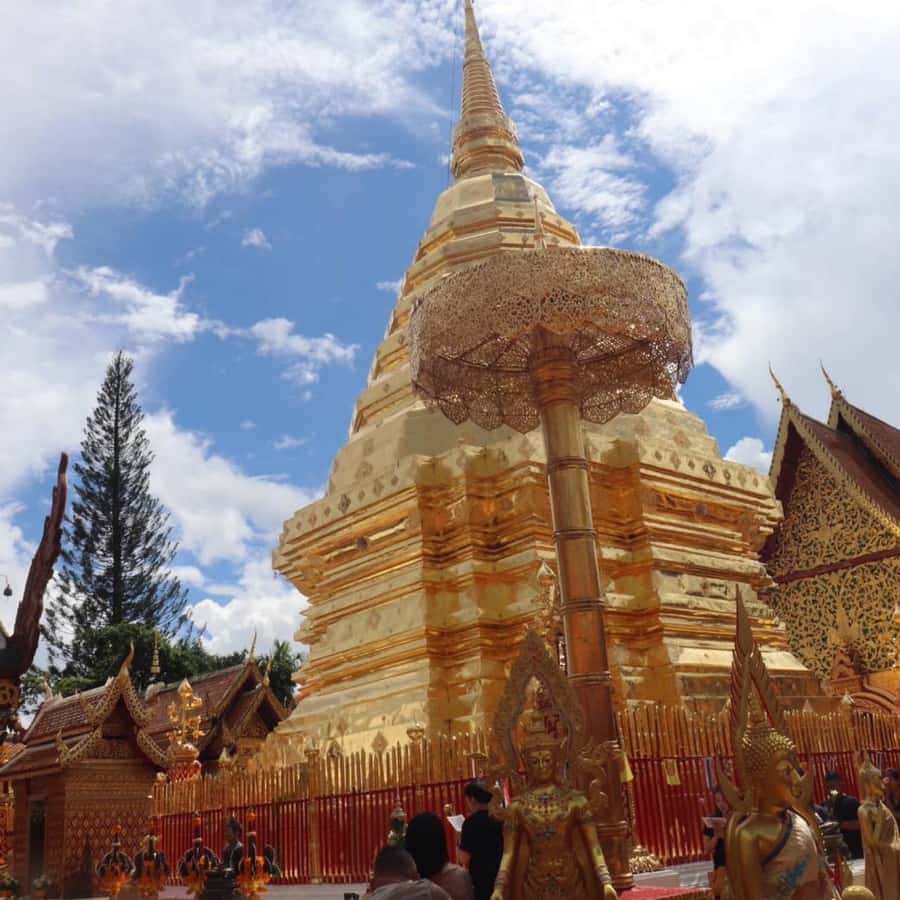
- Doi Suthep’s sacred core: the golden pagoda was built in the 14th century to enshrine a relic from the Lord Buddha
- Views that reward the effort: panoramic sightlines over Chiang Mai, plus the well-known 306-step stair climb
- Private comfort: air-conditioned hotel pickup and drop-off with an English-speaking guide and drinking water
A 5-hour Chiang Mai combo that moves at the right speed
This is the kind of tour I like: not too long, not too rushed, and built around two places that feel very different. You start in the quieter green world of Wat Pha Lat, then you shift to one of northern Thailand’s most sacred temple sites at Doi Suthep, with viewpoints that help you understand why people keep coming back here.
The value is in the flow. You’re not just driving between stops and taking photos. There’s a real walking segment through the area around Wat Pha Lat, then a temple visit at Doi Suthep where you can actually see what everyone talks about: the pagoda, the stair climb, and the views over Chiang Mai.
And because it’s a private group, you’re more likely to get a guide who adjusts to your pace. That matters on a hike with roots and stones, and it matters when you’re trying to understand temple details instead of just rushing past them.
You can also read our reviews of more tours and experiences in Chiang Mai.



Pickup and timing: morning comfort, quick return to town
You’ll get picked up from your accommodation in Chiang Mai downtown, within about a 5-kilometer radius of the Thaphae Gate (Old City wall area). If you’re farther out, you’ll meet the group at a designated meeting point and the driver waits there while you arrive.
The tour is set up to finish in time for a midday return. You’ll drive back and get dropped off around 12:00 to 12:30. That’s useful if you’re trying to keep the rest of your day open for lunch plans, another attraction, or just a long Thai massage.
Because transportation, guide, entrance fees, and the cable car are part of the package, you also avoid a lot of small on-the-spot decisions. You show up, get into the day, and focus on the actual experience.
Practical note: the pickup relies on the hotel lobby meeting point. So if you’re the type who hates waiting around, be ready when the driver arrives.
Wat Pha Lat: where the forest makes the temple feel quieter
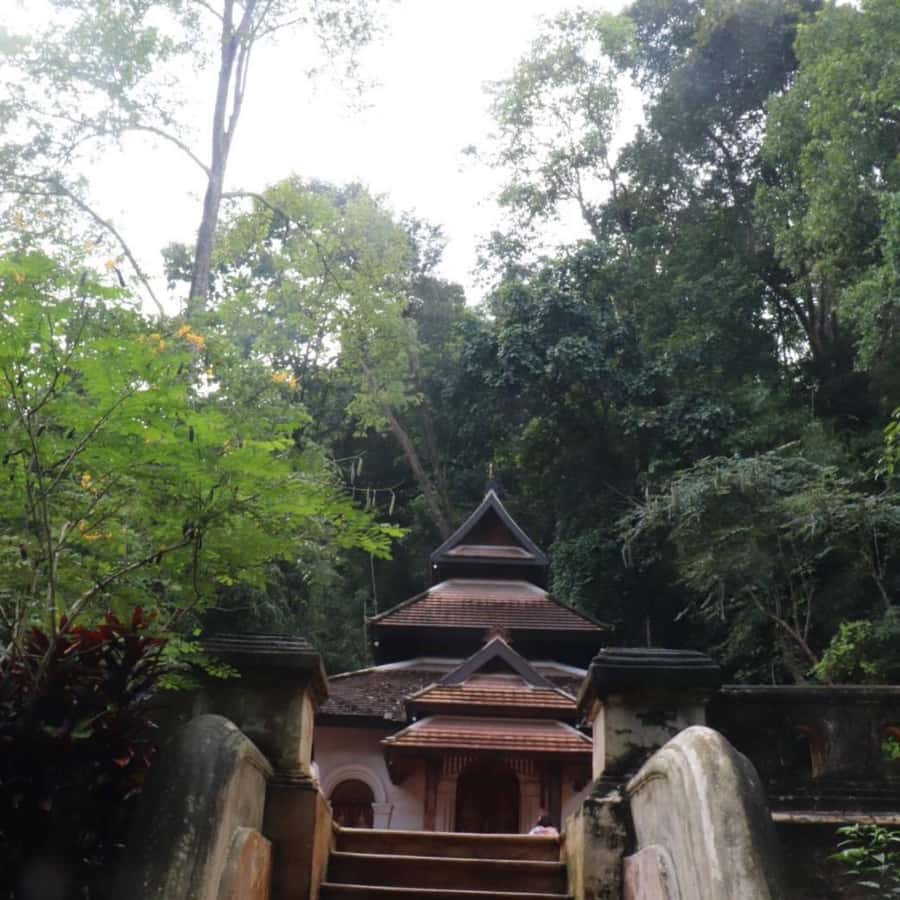
Wat Pha Lat is the first big emotional shift of the day. This temple is described as hidden and tucked into a jungle-like setting, with a peaceful, almost magical atmosphere. I like this stop because it doesn’t feel like you’re chasing a crowd. The setting naturally encourages you to move slower.
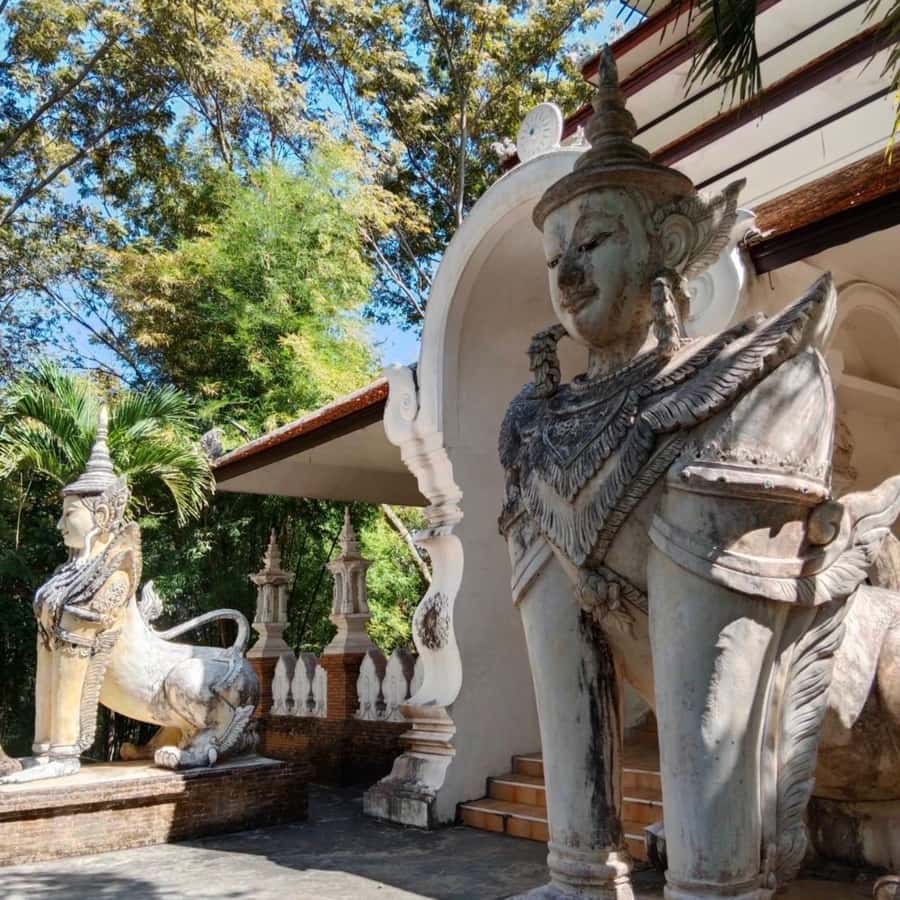
One reason it works so well is the temple style. Wat Pha Lat mixes Thai and Burmese influences, so when you look at details, you’re not just seeing one “standard” Thai temple look. The blend gives it a distinct feel, and it helps the place stand apart from other temple stops in Chiang Mai.
Here’s what you can expect on the ground: you’ll visit Wat Pha Lat, then you’ll move into the walking portion. Think of it as a transition from stillness (temple space) to movement (the monk’s trail), both in the same green environment.
If you’re the kind of traveler who likes a temple that feels more like a place to be calm than a place to be photographed, this is where that mood starts.
The monk’s trail walk: downhill ease, uphill choice, rocky reality
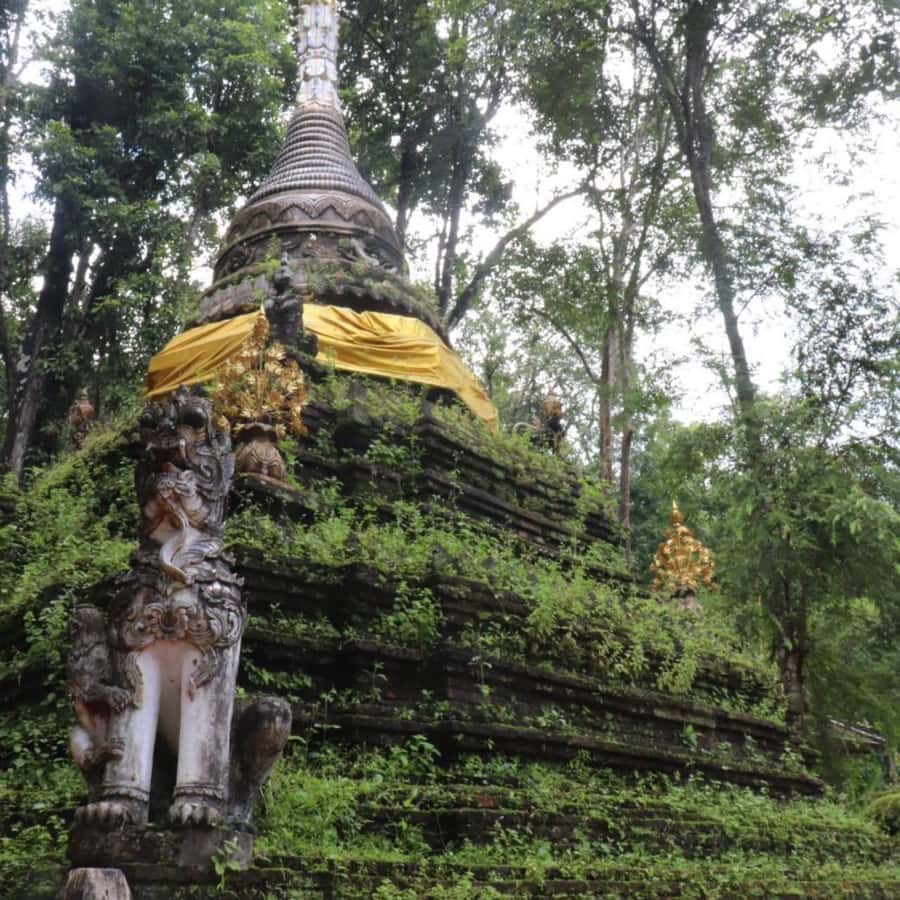
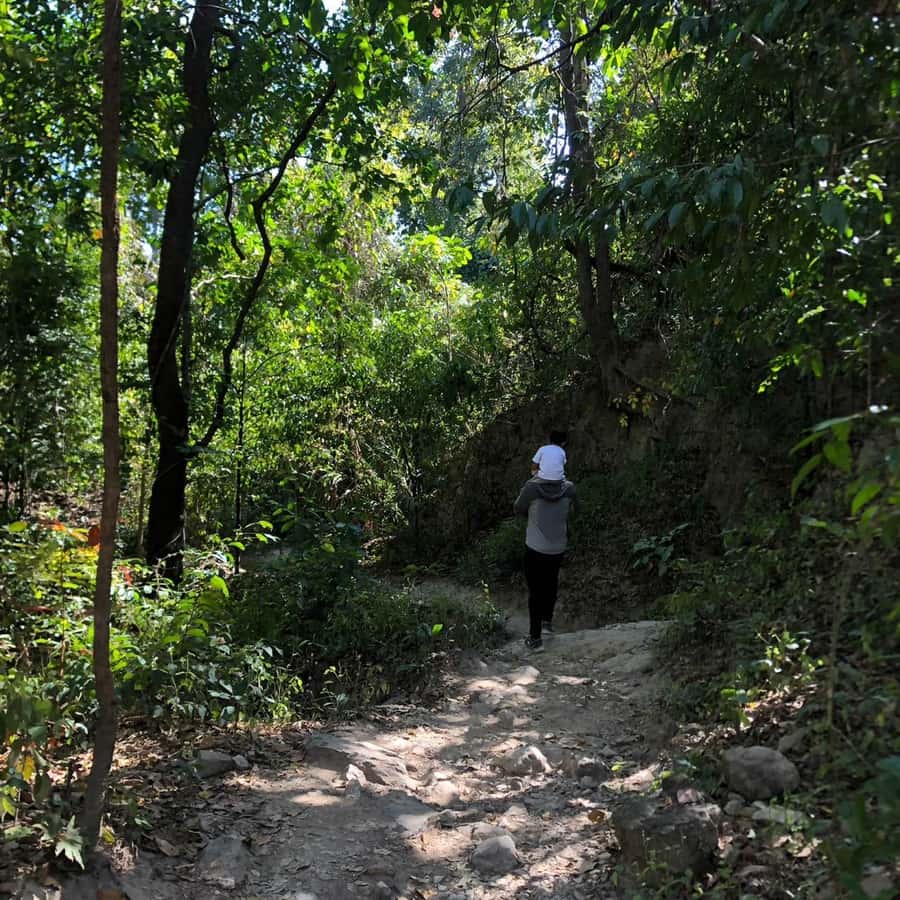
After Wat Pha Lat, you’ll walk the monk’s trail. The duration is about 45 minutes to 1 hour downhill. The downhill choice is usually the easiest option, but you can also choose to walk up the hill instead, depending on your comfort level.
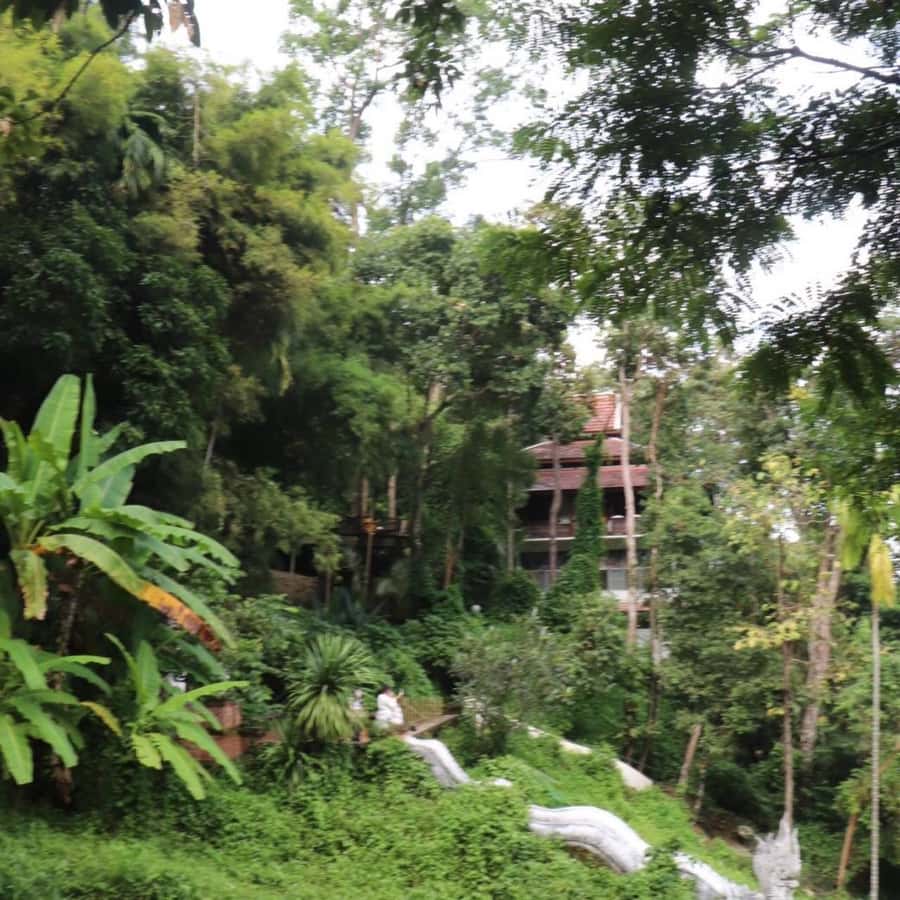
The important part is the terrain. This is not a paved stroll. You should expect stones, roots, and an uneven trail. That’s why the tour asks you to bring hiking shoes and to wear long pants. Even if you’re fit, this is the kind of walk where your footing matters more than speed.
If you’re planning your day around this, here’s my practical advice:
- Pace yourself. Uneven ground makes time feel longer than you expect.
- Use the guide’s rhythm. If you’re with a mixed group, the guide can help people manage the pace.
- Bring insect repellent, especially in foresty areas.
Also, a smart strategy if you want fewer people: ask your guide whether you can do the trail in the direction that helps you avoid peak foot traffic. In at least one instance, going the other way made the scenery feel more relaxed and less crowded.
Wat Phra That Doi Suthep: sacred pagoda, relic story, and big views
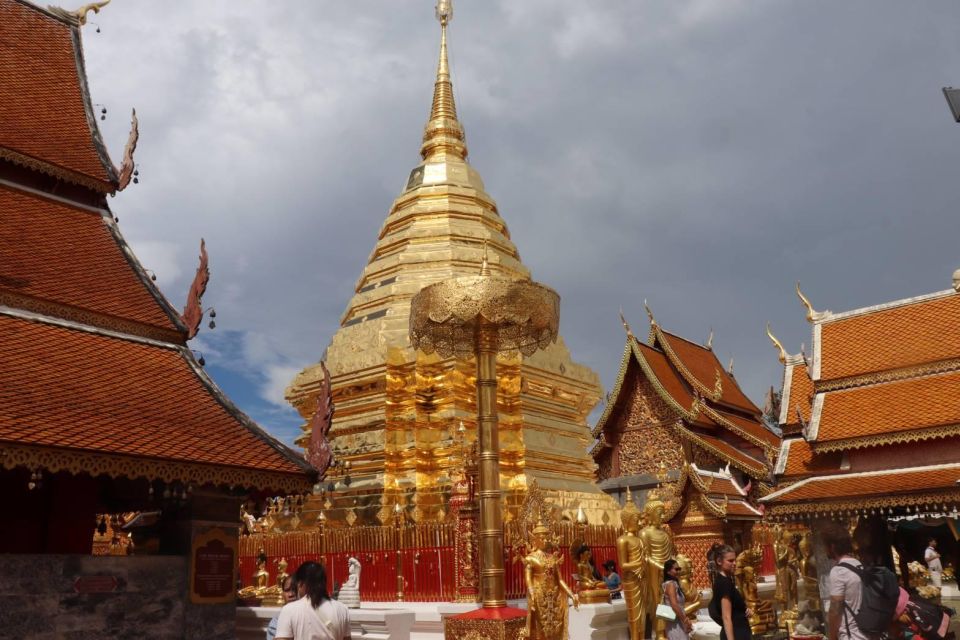
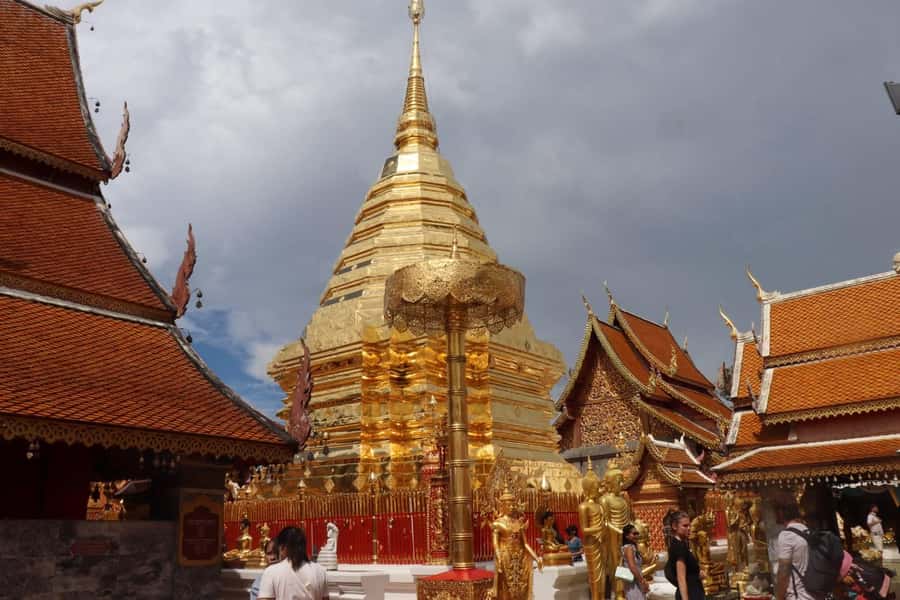
Then you shift from forest quiet to one of the region’s most sacred temple experiences: Wat Phra That Doi Suthep. This is the temple where the city view is part of the show, not just an extra bonus.
The site is famous for its pagoda and relic meaning. The golden pagoda was built in the 14th century to enshrine a piece of relic associated with the Lord Buddha’s shoulder bone. You don’t need to be a history buff to feel the significance. You’ll see it in how people move, how they pause, and how the space is treated with care.
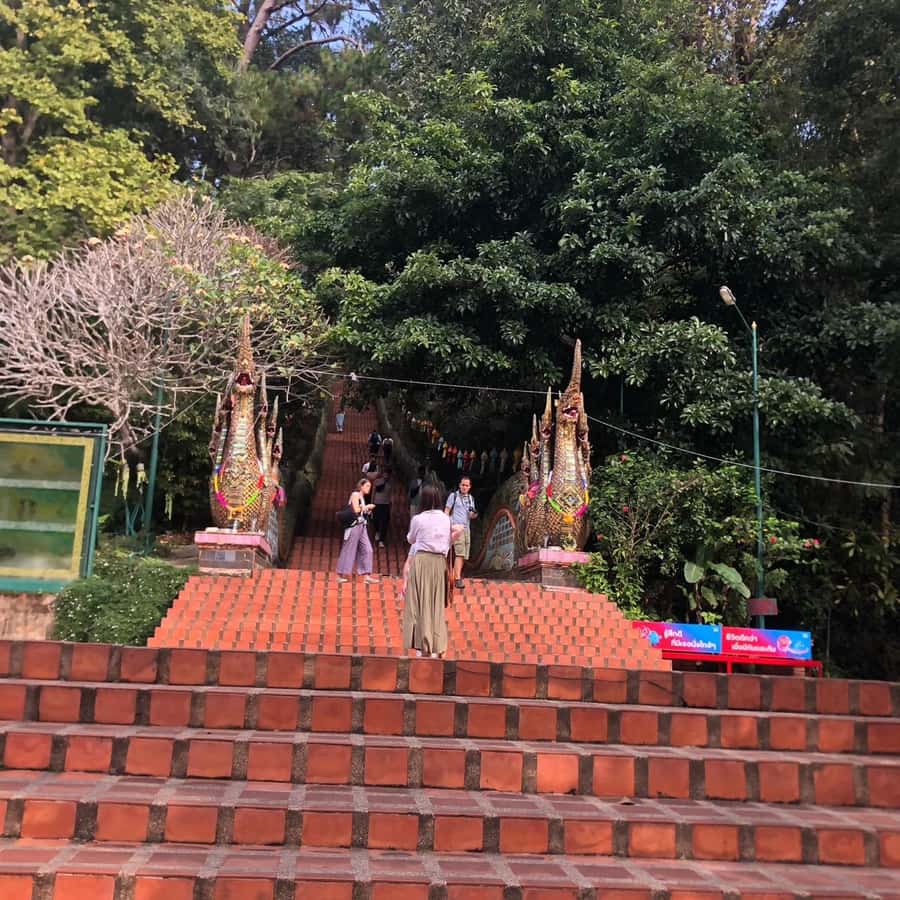
There’s also a clear physical element. You’ll encounter the 306-step stairway if you go up on foot. The good news is that the experience includes a cable car up. So even if stairs are hard for your knees, you can use the cable car to reduce the climb before you reach the temple areas.
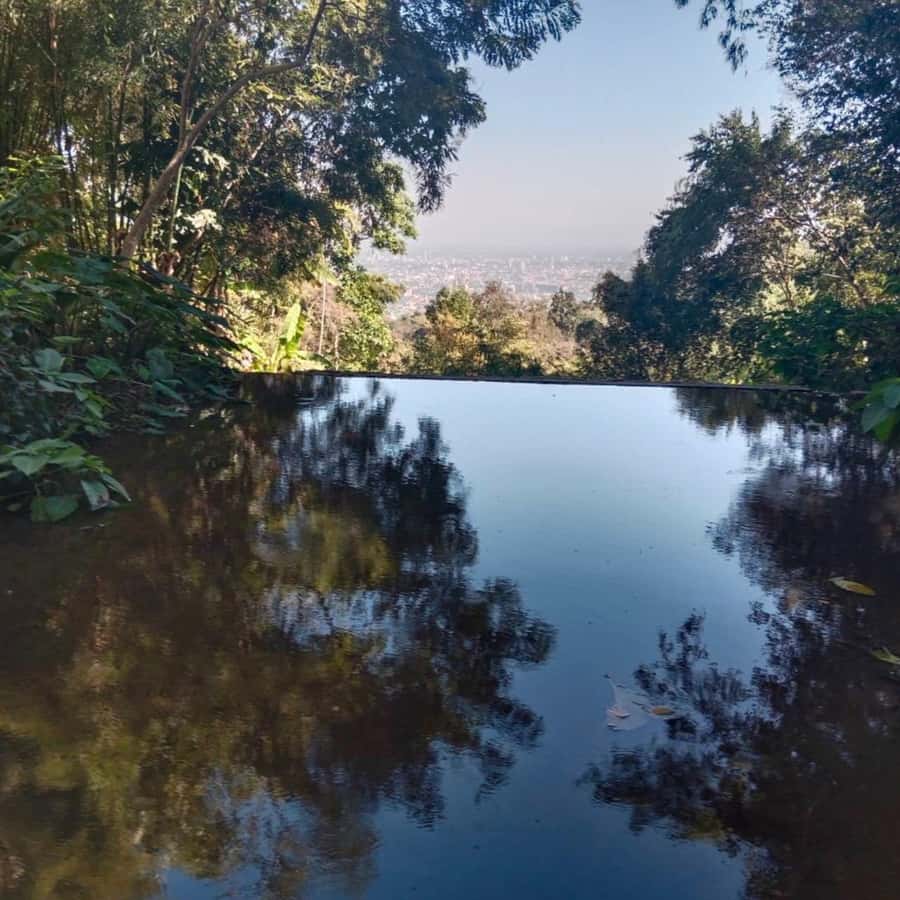
On the way up, there are also scenic viewpoints. Even during a drive, you can catch wide sightlines over Chiang Mai, which helps you understand why Doi Suthep is such a magnet for worship and photography.
This is one of those places where looking up is half the point. The temple design and golden pagoda draw your attention upward, and then the view pulls it back out over the city.



Your guide matters more than you think
The tour’s biggest “secret ingredient” is the guide. This experience is set up so you don’t just stand in front of temple structures and move on. You’re meant to understand what you’re seeing.
The guide’s role can be surprisingly personal. Some guides focus on Buddhist philosophy and how it connects to everyday temple practice. Others bring in animist rituals and explain how local belief shows up alongside Buddhist ideas. That combination helps you avoid the common trap of seeing temples as only architecture.
You’ll also benefit from small, practical context. One guide shared interesting notes about local plants and how they relate to the area’s culture. Another guide stayed patient during a hike in a group with an older member, adjusting the rhythm so the walk didn’t become stressful.
And yes, there can be moments that go beyond standard sightseeing. One highlight in the experience is the chance to witness a monk blessing during the visit. That’s the kind of moment that doesn’t happen if you show up alone with no guide to navigate the flow respectfully.
Even if you don’t get that exact moment every time, the guide’s explanation can still turn the day from photos into understanding.
What’s included (and why it’s good value at $73)
At $73 per person, this tour can feel like a fair price only if you understand what’s covered. You’re not paying just for a car. You’re getting:
- Private, air-conditioned transportation from your accommodation and back
- English-speaking guide for the whole experience
- Entrance fees
- Cable car up to the Doi Suthep temple areas
- Drinking water
- Accident insurance
- A short, efficient day plan totaling about 5 hours
If you tried to DIY this, the costs add up quickly once you include transport, entrance fees, and the effort of figuring out logistics between two very different temple areas plus a cable car. The tour price is basically buying you time and a guide to explain the meaning behind what you’re looking at.
Is it worth it for everyone? If you want maximum flexibility and don’t mind doing research and planning, a DIY day can work. But if you want a guided, structured route with less hassle and fewer “wait, where do we go next?” moments, this price lands in a reasonable zone.
Also, because it’s private, you’re more likely to get pacing that fits your group rather than a one-size-fits-all itinerary.
What to bring and how to prepare for a temple hike day
This tour mixes temple time with a real walk, so packing matters. The basics are simple and very practical:
- Camera (you’ll use it, especially at Doi Suthep viewpoints)
- Hiking shoes (stones and roots make regular sandals a bad idea)
- Sunscreen (you’ll get daylight time during the drive and walking)
- Insect repellent (the forest trail calls for it)
- Long pants (for comfort and protection on the trail)
If rain shows up, the day can still work. One traveler enjoyed the outing despite rain and heavy clouds. Cloudy skies can even change the way the city view looks from the temple area, and you might find a bit less sun glare on the walk and views.
One more practical thought: bring a little patience. You’ll want to slow down both for religious spaces and for the uneven trail.
Who this tour suits best, and who should rethink it
This day is a strong match if you want a walk-focused temple experience without committing to a full-day trek. You’ll get nature calm at Wat Pha Lat, then a top-tier sacred temple highlight at Doi Suthep with the famous pagoda story and major viewpoints.
It’s especially good if you care about context. With an English guide, you’re more likely to understand the “why” behind rituals and temple practices instead of just checking off sights.
Who should rethink it?
- People with limited mobility: the monk’s trail is not wheelchair-friendly.
- Anyone who can’t handle uneven ground for about 45–60 minutes (or more if you choose to walk up).
If you’re fit enough to walk on rough paths, you’ll likely feel rewarded by the contrast between the forest calm and the big, sacred view from Doi Suthep.
Should you book this Chiang Mai temple-and-trail tour?
If you want a structured, meaningful morning in Chiang Mai that combines a forest walk and one of the area’s most sacred temples, I’d book it. The best reason is simple: you’re paying for both time and understanding. The guide’s cultural explanations can turn the day into something more than sightseeing, and the included cable car helps you manage the Doi Suthep climb.
Skip or choose carefully if mobility is an issue, because the monk’s trail is a hike on uneven ground and the tour is not designed for wheelchairs.
For everyone else, it’s a solid value at $73, with private pickup comfort, a guided temple experience, and a walk that gives you a real sense of Chiang Mai beyond the city roads.
FAQ
How long is the tour, and when do we return?
The tour runs about 5 hours, with drop-off back at your accommodation around 12:00–12:30.
What’s included in the price?
It includes private air-conditioned pickup and drop-off, an English-speaking guide, entrance fees, cable car up to Doi Suthep, drinking water, and accident insurance.
Is the Doi Suthep climb all stairs?
The experience is associated with a 306-step stairway, and the tour includes a cable car up as well, which can reduce how much you need to climb by foot.
How long is the monk’s trail walk?
The monk’s trail walk is approximately 45 minutes to 1 hour downhill, and you can choose to walk up to the hill instead.
Where does pickup happen in Chiang Mai?
Pickup is available in Chiang Mai downtown within about a 5-kilometer radius of Thaphae Gate (Old City wall). If you’re farther away, you’ll meet at a meeting point.
Is this tour wheelchair accessible?
No. It is not suitable for wheelchair users.