REVIEW · CUSCO
From Cusco: Sacred Valley & Machu Picchu 2-Day Tour by Train
Book on GetYourGuide →Operated by FLY CUSCO PERU Travel Agency · Bookable on GetYourGuide
Two days from Cusco can feel like one long highlight reel. This Sacred Valley-to-Machu Picchu train route turns the logistics of getting there into a guided flow, with a small group and a focused Machu Picchu walkthrough led by guides like Victor and Carlos.
Small group (max 10) means you’re not lost in a crowd, and the plan is built to give you time at each stop rather than sprinting.
I like the way this tour handles the hard parts for you: door-to-door hotel pickup and drop-off in Cusco, plus a full day of guided stops that keep changing the scenery and the story as you go. You also get to choose your train style, including the Vistadome 360° panoramic option if you want the bigger glass-window viewing experience.
One consideration: the Aguas Calientes hotel is included for your overnight, but reviews show quality can vary by category and room details. And you’ll want to pack light because no luggage or large bags are allowed, which can matter if you’re used to traveling with a bigger setup.
In This Review
- Key points worth knowing before you go
- How this 2-day Cusco to Machu Picchu train plan actually works
- Sacred Valley morning: getting from your Cusco hotel to the real Peru
- Chinchero, Moray, and Maras: the tour stops that explain the Incas’ brainpower
- Chinchero: weaving traditions you can see, not just hear about
- Moray: Inca terraces as an agricultural laboratory
- Maras Salt Mines: the famous photo moment with a guided stop
- Urubamba lunch and Ollantaytambo: where the pacing makes sense
- PeruRail train time: choosing Vistadome 360° for better views
- Overnight in Aguas Calientes: your timing buffer before the main gate
- Machu Picchu at the main gate: how the guided circuit keeps you oriented
- What makes the guide part worth paying for
- The return to Cusco: trains, buses, and how to handle timing surprises
- What you should pack for this specific tour
- Price and value: is $499 a good deal for this route?
- Who should book this tour, and who should skip it
- Should you book this Cusco–Sacred Valley–Machu Picchu train tour?
- FAQ
- What is included in the tour price?
- Do I need to pay for Sacred Valley entry separately?
- Can I choose a panoramic train like Vistadome?
- Are meals included on both days?
- Will I get an overnight hotel in Aguas Calientes?
- What do I need to provide before the tour?
- What is the refund policy?
- Is large luggage allowed?
Key points worth knowing before you go
- Max 10 people keeps the Sacred Valley and Machu Picchu experience feeling personal, not crowded
- Door-to-door Cusco transfers remove the stress of matching buses and train times
- Chinchero weaving + alpaca farm gives you a hands-on cultural stop before the ruins
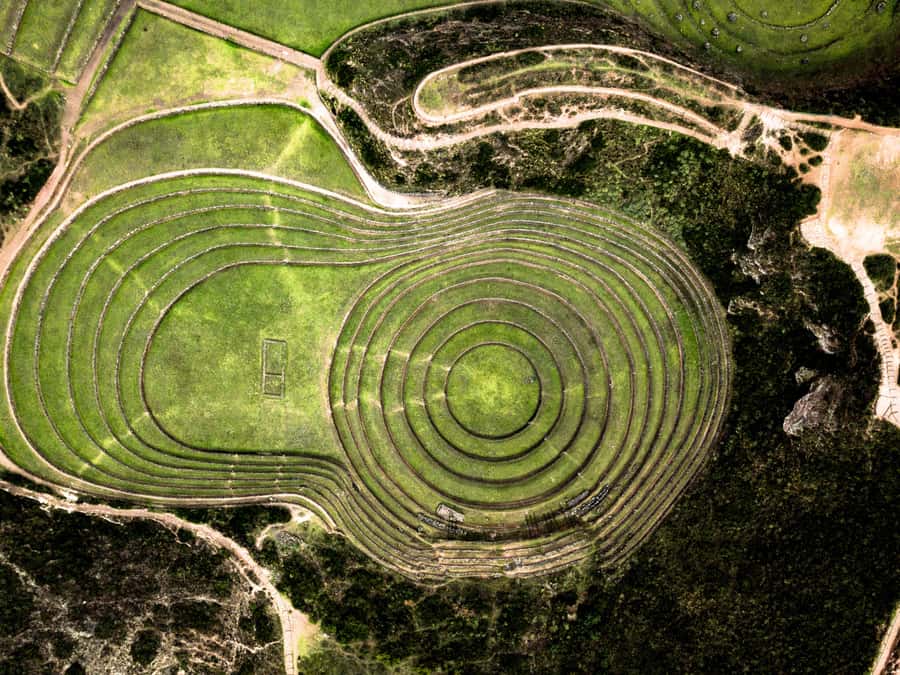
- Maras salt mines and Moray explain how the Incas engineered different growing zones
- Vistadome 360° can be worth it for the train views, at least on the outward or return leg
- Machu Picchu circuit depends on availability (circuit 1, 2, or 3), so your exact route can shift
How this 2-day Cusco to Machu Picchu train plan actually works
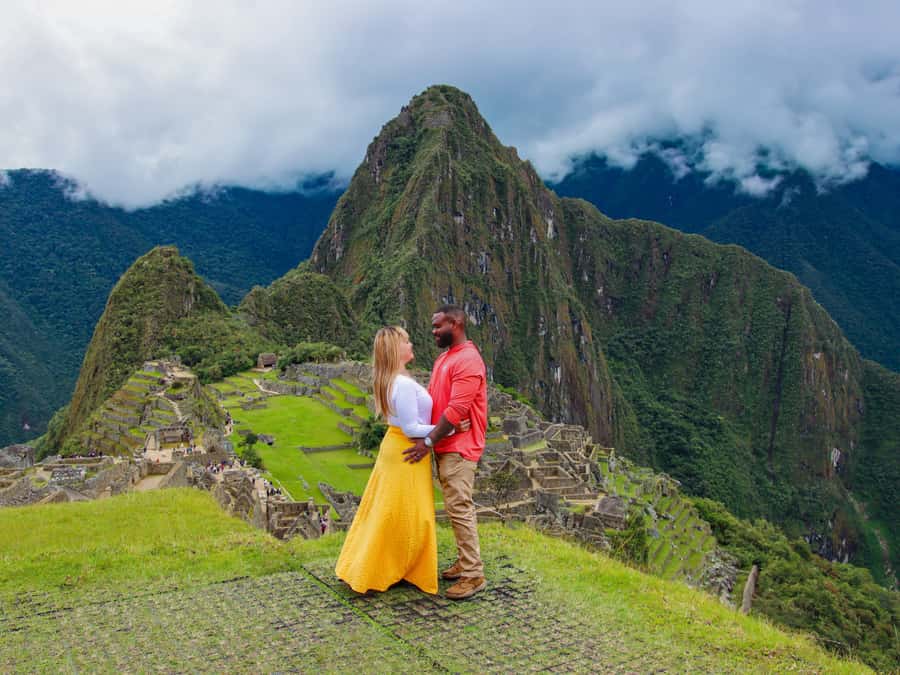
This is a tight, efficient route built for one simple goal: you see the main Sacred Valley sites and still arrive at Machu Picchu with enough structure to enjoy it. The key is that you’re not just traveling. You’re doing a guided loop that includes transport, tickets, and timed entry so you can stay present at each stop.
Day 1 is all about context. You’ll start in Cusco, move through classic Sacred Valley highlights, and then ride the train onward to Aguas Calientes for an overnight. Day 2 is the payoff: you start early, take the bus up to the main gate of Machu Picchu, tour the circuit with your guide, then return by train to Cusco.
If you like tours that feel “organized without feeling rushed,” this design helps. If you prefer total freedom to wander without guidance, you might feel guided at almost every step. For most people, though, the schedule is a big relief.
You can also read our reviews of more tours and experiences in Cusco
Sacred Valley morning: getting from your Cusco hotel to the real Peru
Your day begins with breakfast at your hotel, then a pick-up timed for a 7:45 am departure. The operator promises door-to-door service within Cusco’s historic center, so you’re not hunting for a meeting point while jet-lagged or stuck on altitude time.
You’ll first visit Chinchero, a traditional town where the focus is living culture. You’ll have a photo stop, a guided visit, and time to browse shops. The alpaca and llama encounter is playful but not random. It connects to the weaving traditions you’ll learn about afterward, including how natural ingredients and hand techniques go into the fabrics.
A practical tip: wear comfortable shoes for short walks and expect sun. You’ll be outside at multiple stops before the lunch break, and the tour checklist (sun hat, sunscreen, sunglasses) isn’t there for decoration.
Chinchero, Moray, and Maras: the tour stops that explain the Incas’ brainpower

This itinerary works because it builds one idea at a time: how the Incas used land, climate, and craft.
Chinchero: weaving traditions you can see, not just hear about
Chinchero is where you get an immediate sensory link to the culture. You’ll visit a local family where weaving traditions are still practiced, and alpacas/llamas help you remember the moment later. You can also feed them breakfast if the guide sets it up that way, which is a nice change from purely “look and move on.”
If you’re the type who likes your travel stories anchored in real people, this stop delivers. It’s also a good reset before the ruins, because it’s slower and more interactive.
Moray: Inca terraces as an agricultural laboratory
Next is Moray Archaeological Park, famous for terraced circular platforms. The guided explanation matters here. Instead of treating it like a set of pretty circles, your guide frames it as an agricultural laboratory where the Incas created different climatic zones using the terraces.
This is the moment where the tour shifts from sightseeing to understanding. You start noticing how engineering and geography show up in everyday survival.
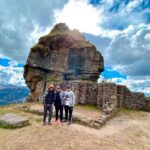


Maras Salt Mines: the famous photo moment with a guided stop
Then comes Maras Salt Mines, where you stand in front of thousands of salt ponds. This is one of the most photographed areas in the Sacred Valley for a reason: the pattern is instantly graphic, and the scale is hard to fully grasp without being there.
Your guide will help with photos, and you’ll get time for a walk. The tour also keeps you moving onward rather than lingering too long, which is smart in a two-day format.
Urubamba lunch and Ollantaytambo: where the pacing makes sense
You’ll head to Urubamba for lunch around the early afternoon. The lunch is a buffered Sacred Valley restaurant meal, with vegetarian options available. People often underestimate how much this matters on a Machu Picchu trip, because once you start the circuit, you’ll want energy and not be hunting for food.
After lunch, you’ll continue to Ollantaytambo, including terraces and ruins. This area is historically important because it functioned as a protected entrance route tied to the road leading toward Machu Picchu. Your guide will explain what happened here during the Spanish invasion, which adds a second layer to what you’re seeing.
You’ll also get time for photos and shopping. It’s one of the last chances to pick up small souvenirs and adjust before the train portion of the day.
PeruRail train time: choosing Vistadome 360° for better views
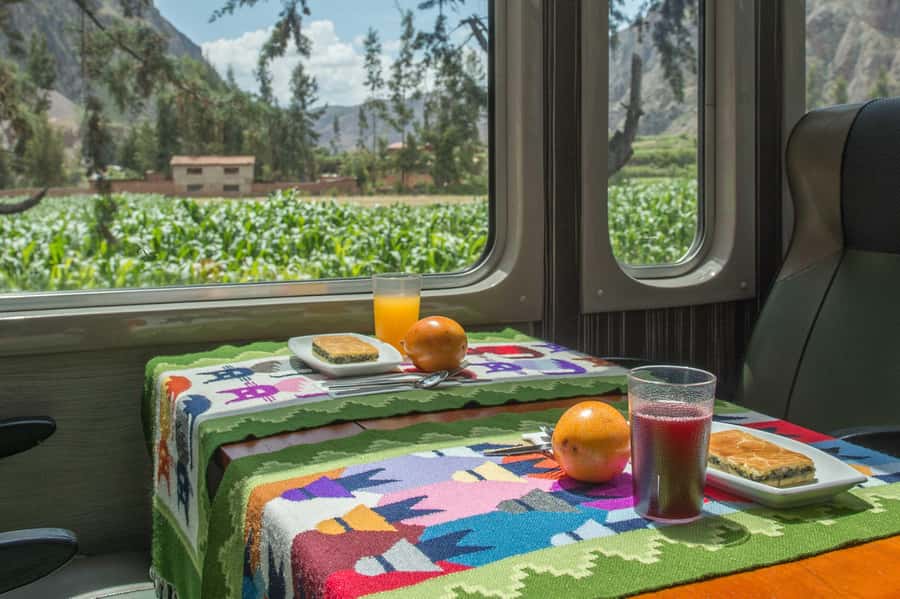
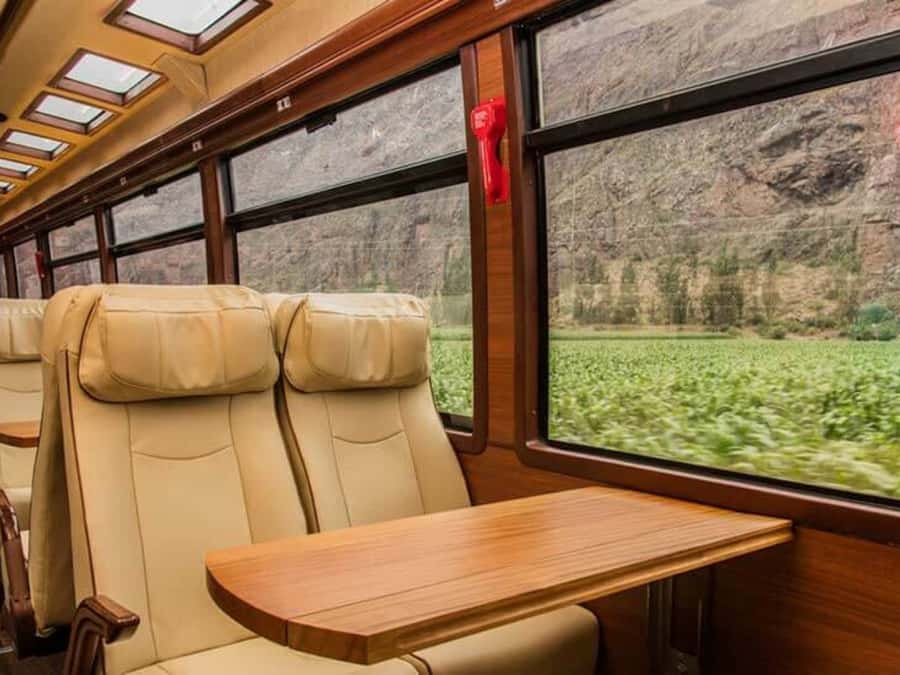
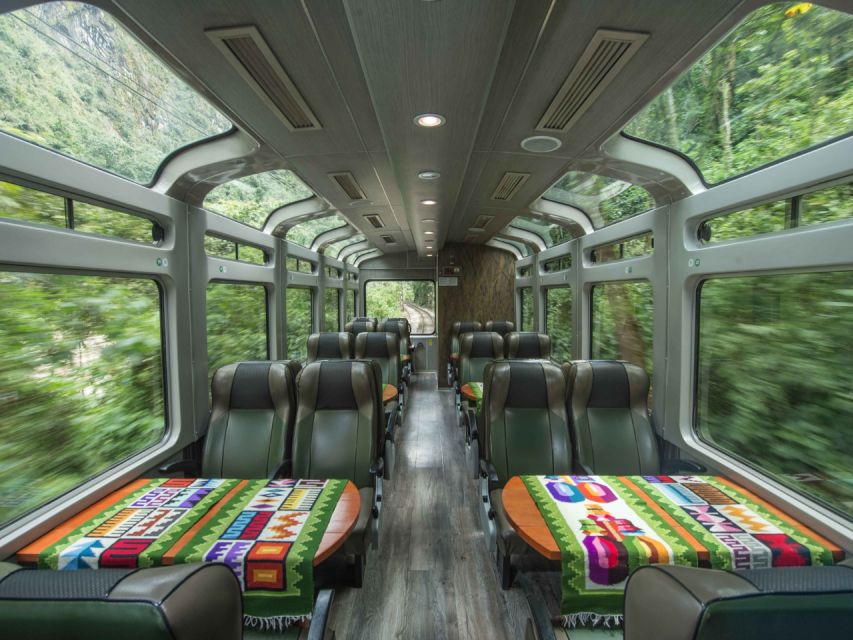
After Ollantaytambo, you board the train for the ride to Aguas Calientes. The scheduled journey is about 1 hour 45 minutes (listed as 105 minutes in the flow), and the plan is built so you’re not waiting around with nothing to do.
You can choose between a normal train and the Vistadome 360° panoramic train. If you’re debating whether it’s worth the extra cost, consider what you care about most:
- If you love panoramic windows and scenic viewing, the Vistadome option can make the ride feel like part of the experience.
- If you’re mostly focused on Machu Picchu and want to save money, the standard train can still do the job.
On at least one recent trip, the Vistadome experience was described as energetic inside the carriage, with people singing and dancing, which hints that you’ll often get a fun atmosphere when you choose the panoramic option.
Overnight in Aguas Calientes: your timing buffer before the main gate
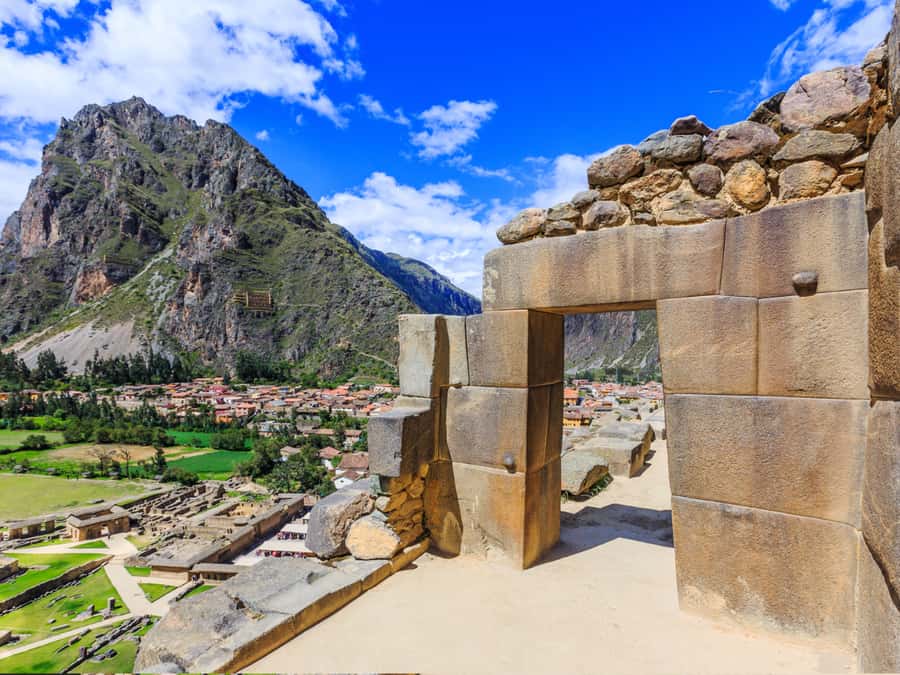
Your train arrives in Aguas Calientes around 6:10 pm. You’ll be met at the train station exit and transferred to your overnight hotel. Then you check in and have your afternoon free on your own.
This “free time” is small, but it’s valuable. Machu Picchu day starts early, so having a night already in Aguas Calientes means you don’t have to scramble the morning of your visit. You can also do the simple human things: get oriented, eat something if you want, and rest.
One detail to be aware of: the hotel category is included (2, 3, or 4 star) based on what you choose at booking. Reviews reflect that some rooms are quite basic, while others are described as very good and close to the station. If you’re picky about comfort, spend a little more for a higher category.
Machu Picchu at the main gate: how the guided circuit keeps you oriented
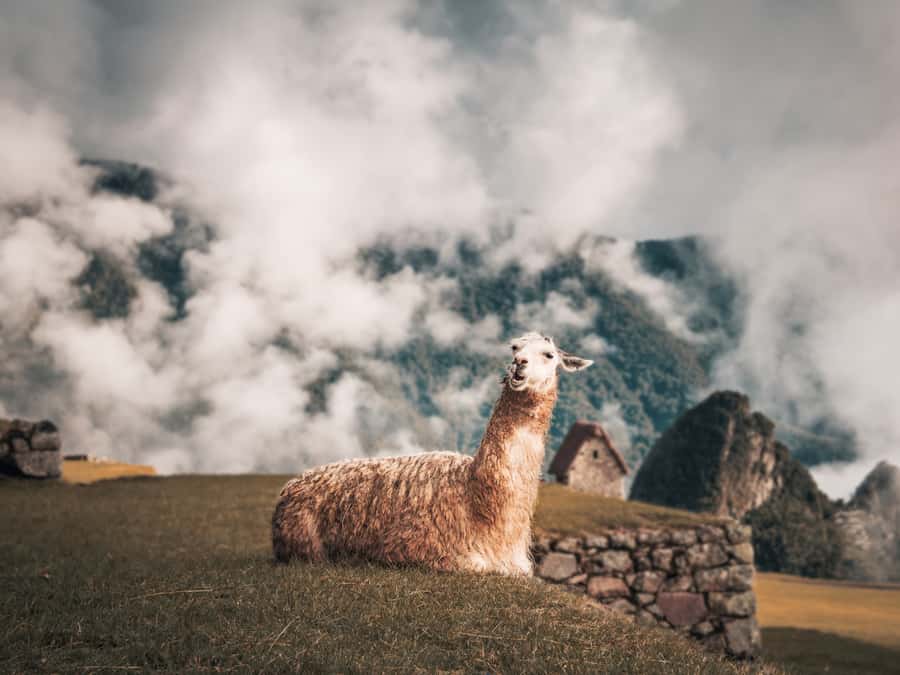
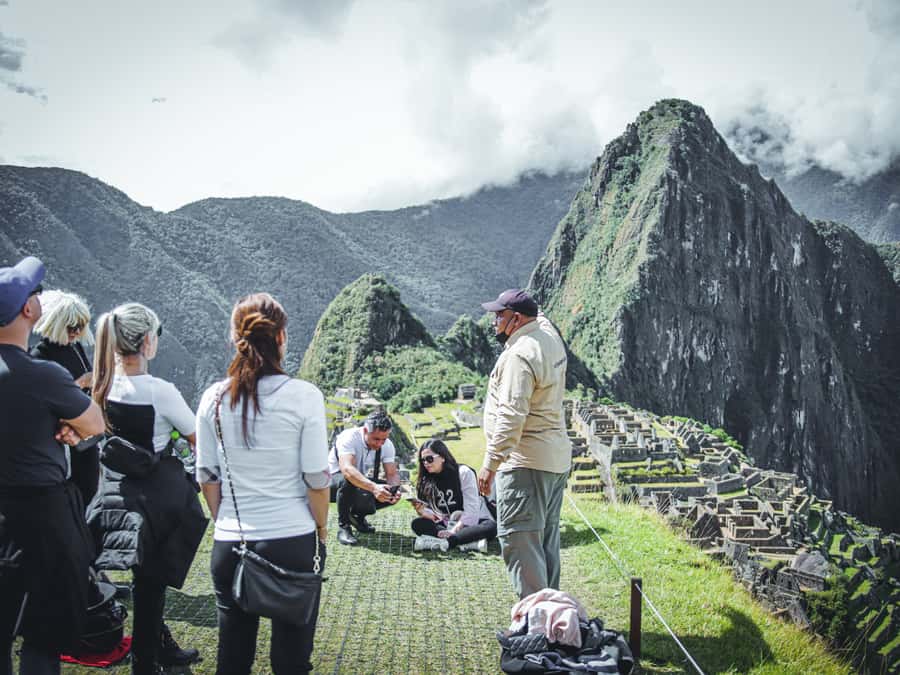
You’ll start Day 2 with breakfast at your hotel, then meet your guide to head to the bus station in Aguas Calientes. The bus ride takes about 30 minutes, dropping you at the main gate of Machu Picchu.
Then it’s classic: take the well-known photo from a high viewpoint, and afterwards your guide leads you through the lower part. Your tour time at Machu Picchu is listed at about 2.5 hours, and you’ll follow an assigned circuit.
Your exact Machu Picchu circuit depends on availability (circuit 1, 2, or 3). That means your route can vary, so the best mindset is to enjoy what you get rather than trying to force a specific “must-see” checklist.
What makes the guide part worth paying for
The biggest difference on a guided Machu Picchu circuit is orientation. You’re shown where to look and you’re given context that connects stone structures to the way people lived and believed.
Guides in this program can also bring in Quechua perspectives and rituals. In one described experience, Carlos (A. Sullcaccori Sifyentes) used visual reference books to help explain what you were seeing, going beyond facts into meaning and interpretation. Martin was also praised for making the history and culture clear, so even if Spanish is your weaker language, English support is part of the deal.
The return to Cusco: trains, buses, and how to handle timing surprises
After your Machu Picchu visit, you’ll ride the bus back to Aguas Calientes. You’ll have time for lunch there, but lunch is not included on Day 2, so plan on using that window to eat or snack.
Then you board the train back to Ollantaytambo. The return train is again listed at 105 minutes, and once you arrive, your transport meets you to take you back to your Cusco hotel. The estimated arrival time in Cusco is about 6:30 pm.
One comfort point: when a return train was delayed on a recent trip, the team reportedly handled it with extra care, bringing food and drinks to the station. No one can control Peru train schedules, but it’s a good sign when the operation thinks ahead.
What you should pack for this specific tour
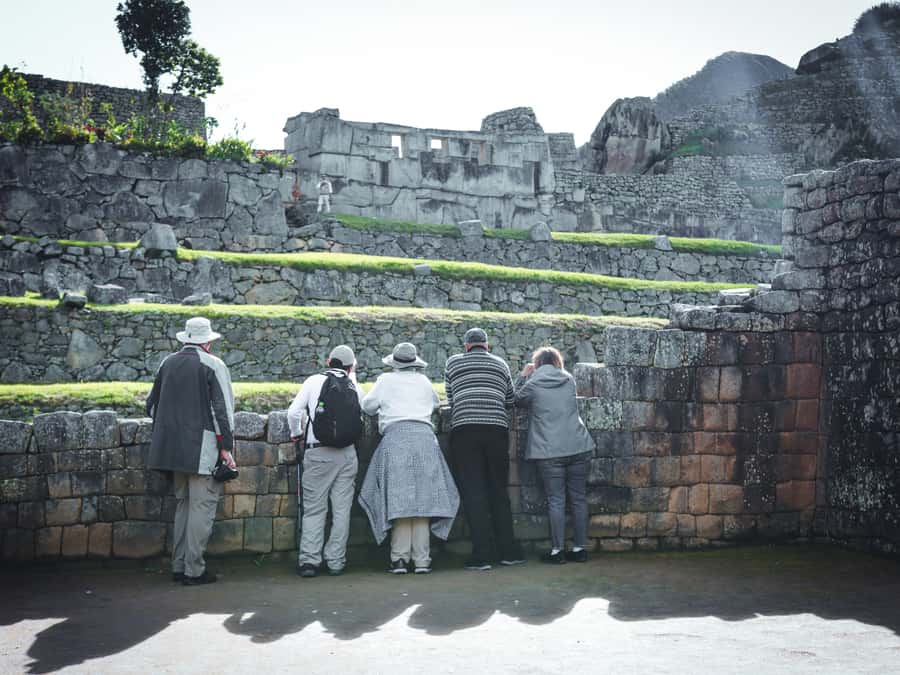
This trip is mostly smooth logistics, but your comfort comes down to your packing. Use the operator’s checklist as your baseline.
Bring:
- Passport (required for the reservation)
- Comfortable shoes
- Sun hat, sunscreen, sunglasses
- Jacket (weather can shift, and you’ll be outside in the morning and at Machu Picchu)
- Insect repellent
- Reusable water bottle
- Power bank
- Camera
Important restriction: no luggage or large bags. If you usually travel with a big roller bag, switch to a smaller daypack setup. You’ll thank yourself during the repeated transfers and guided walking.
Price and value: is $499 a good deal for this route?
At $499 per person, the value comes from what’s bundled. You’re not just buying train tickets and hoping the rest works out.
This price includes:
- Door-to-door Cusco hotel pickup/drop-off
- A 1-night hotel stay in Aguas Calientes (2, 3, or 4 star depending on your choice)
- Buffet lunch in the Sacred Valley (with vegetarian option)
- Guided visits in the Sacred Valley
- Guided tour of Machu Picchu
- Round-trip train tickets Ollantaytambo ⇄ Aguas Calientes
- Round-trip bus tickets Aguas Calientes ⇄ Machu Picchu
- Machu Picchu entrance ticket (circuit 1, 2, or 3 based on availability)
- An English-speaking guide
- One bottle of water
- Solo travelers get a private room
What’s not included matters, because it’s the only realistic “surprise” budget item:
- Sacred Valley entry ticket is 90 Peruvian soles in cash
- Any meals not mentioned (notably Day 2 lunch at Aguas Calientes)
- Optional Wayna Picchu ticket (must be requested a few months in advance)
- Tips
So the real question isn’t whether $499 is low. It’s whether you want to spend your energy navigating tickets, timing, and transport in a place where delays and crowding can turn a day into stress. If you prefer a guided structure that keeps things moving, this is a strong value.
Who should book this tour, and who should skip it
This works best for you if:
- You want small-group guidance (max 10)
- You’d rather focus on history and photos than coordinating trains and buses
- You want a full Sacred Valley day plus a proper Machu Picchu circuit in 2 days
- You like the idea of choosing Vistadome 360° if you care about train views
Skip it if:
- You fall under the tour’s listed limits, including pregnancy, people over 70, or over 95
- You’re traveling with large luggage and don’t want to switch to a smaller bag (the tour prohibits large bags)
If you’re unsure, compare your priorities. This isn’t “DIY, wander, and wing it.” It’s “hand me the plan, I’ll enjoy the sites.”
Should you book this Cusco–Sacred Valley–Machu Picchu train tour?
If you want Machu Picchu without turning the trip into a full-time project, I’d book this. The combination of door-to-door transfers, small group size, a guided Sacred Valley day, and a guided Machu Picchu circuit makes the experience feel controlled in the best way.
Before you commit, check two things: that you’re comfortable with the no large luggage rule, and that you’re okay with your Machu Picchu circuit being assigned based on availability. If those fit your style, this is a smart, well-paced way to do the classic Peru highlight route in two days.
FAQ
What is included in the tour price?
The tour includes a day-before briefing in your hotel lobby, a one-night stay in a 2, 3, or 4-star hotel in Aguas Calientes (based on what you choose), door-to-door hotel pickup and drop-off in Cusco, buffet lunch in the Sacred Valley restaurant, guided visits in the Sacred Valley, a guided Machu Picchu tour, round-trip train tickets Ollantaytambo to Aguas Calientes, round-trip bus tickets Aguas Calientes to Machu Picchu and back, the Machu Picchu entrance ticket (circuit 1, 2, or 3 depending on availability), an English-speaking guide, and one bottle of water.
Do I need to pay for Sacred Valley entry separately?
Yes. The Sacred Valley entry ticket is not included and is listed as 90 Peruvian soles in cash.
Can I choose a panoramic train like Vistadome?
Yes. When booking, you can choose to travel by a normal train or the Vistadome 360° panoramic train.
Are meals included on both days?
Day 1 includes a buffet lunch in the Sacred Valley (vegetarian option available). On Day 2, lunch after returning to Aguas Calientes is not included.
Will I get an overnight hotel in Aguas Calientes?
Yes. You get a one-night hotel stay in Aguas Calientes, with options for 2, 3, or 4-star categories based on what you select at booking.
What do I need to provide before the tour?
You must provide passenger details for the Machu Picchu reservation: full name, passport ID, date of birth, and nationality. The passport is also required.
What is the refund policy?
This activity is non-refundable.
Is large luggage allowed?
No. The tour states that luggage or large bags are not allowed.