REVIEW · CUSCO
5-Day Salkantay Trek to Machupicchu Sky Lodge Dome
Book on GetYourGuide →Operated by TERRA QUECHUA PERU · Bookable on GetYourGuide
Machu Picchu starts with cold domes and big climbs. What makes this 5-day Salkantay trek special is the mix of luxury dome comfort (private bathroom and hot shower) plus the gut-check of the 4,650 m high pass with snow-capped-mountain views. It’s an intense hike, but the sleep setup keeps morale up.
One caution: the biggest weak spot isn’t the trek itself, it’s the Machu Picchu ticket communication. If your Machu Picchu entry details aren’t confirmed early, you could end up needing schedule adjustments like trimming a day to secure the right slot.
In This Review
- Quick takeaways
- Sky Lodge Domes: Real Comfort Between Salkantay Days
- The High Pass Day (4,650 m): Where Conditioning Pays Off
- Humantay Lagoon on Day One: A Gentle Start Before the Climb
- Coffee Plantation Camp and the Lluskamayo River: The Trek’s Surprise Side
- Llactapata, Santa Teresa, and the Urubamba Valley Glimpse Before Aguas Calientes
- Sunrise at Machu Picchu: First Bus Timing and the Best Order of Visits
- Food, Guides, and Who Makes This Trek Feel Smooth
- Price and Value: What $700 Covers (and What You’ll Still Pay For)
- Logistics That Matter: Altitude, Ticket Slots, and Bag Rules
- Who Should Book This Salkantay Trek (and Who Should Skip It)
- Should You Book the Salkantay Trek to Machu Picchu Sky Lodge Dome?
- FAQ
- What does the trek include?
- How much does it cost?
- Is Machu Picchu entry and the bus included?
- What is the highest point of the trek?
- Where do you sleep each night?
- Do I need to bring a sleeping bag?
- What meals are not included?
- Are hot springs available in Aguas Calientes?
- Can I bring vegetarian or vegan food options?
- Is Huayna Picchu part of the standard plan?
Quick takeaways
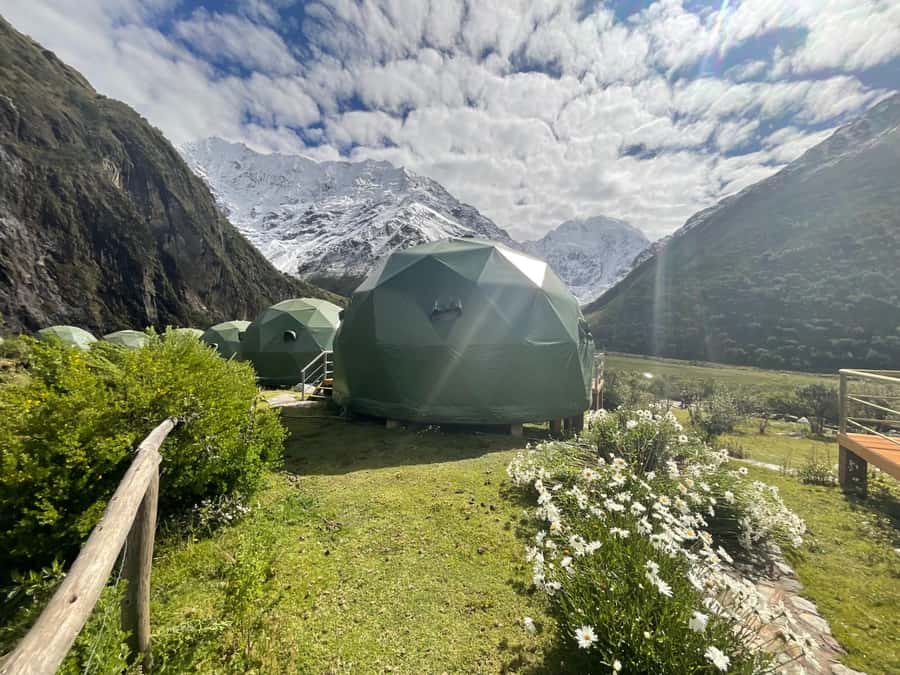
- Sky Lodge domes come with a private bathroom and hot shower, so you sleep warmer than most trekkers.
- The high point hits 4,650 m, and conditions can mean cold—and sometimes snow-looking scenery.
- You’ll get a rare mix: Humantay Lagoon on day one, then down into a coffee plantation campsite for hands-on coffee processing.
- Day four includes a taste of the original Inca trail at Llactapata, plus a walk along the train tracks into Aguas Calientes.
- Machu Picchu is timed for sunrise via the first bus, then you get a guided introduction before exploring on your own.
- Small group size (up to 10) makes the pace feel more human on a demanding route.
Sky Lodge Domes: Real Comfort Between Salkantay Days
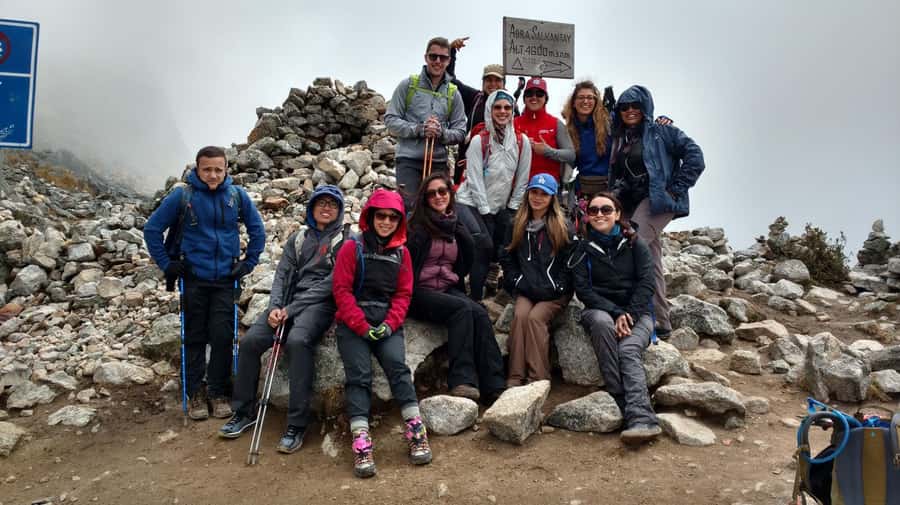
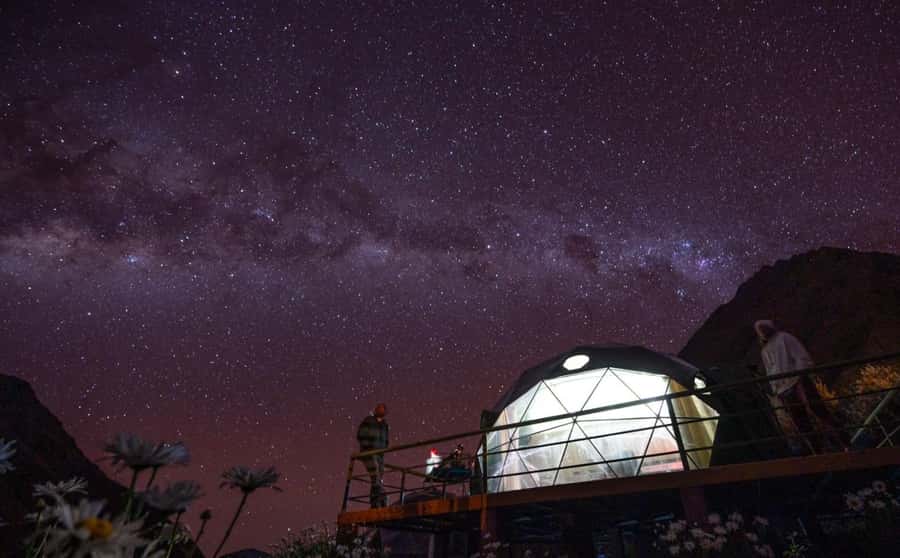
This is not a “roughing it” trek if you define roughing it as sleeping without real comfort. Your nights are in luxury domes with private bathrooms and hot showers, which matters more than you’d think after multiple hours of hiking and altitude.
The domes are part of why this trek is so appealing as a value. After a cold day, having a warm shower and not sharing a crowded setup is the difference between pushing onward with good spirits and feeling miserable. One practical detail to plan around: the domes can still feel cold overnight, so pack warm layers even if you expect better conditions than typical camping.
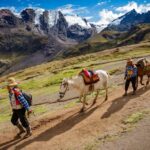
Also note how they handle luggage early. Horsemen and mules transport equipment, food, and your personal luggage (up to 7 kg per person), and your duffel is carried for you until the third day. That means you carry less early on—then you gradually shift to carrying your own bag later, which is normal on a multi-day trek.
You can also read our reviews of more hiking tours in Cusco
The High Pass Day (4,650 m): Where Conditioning Pays Off
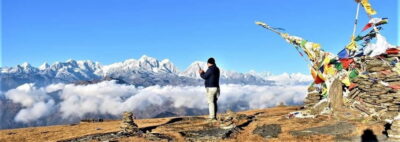
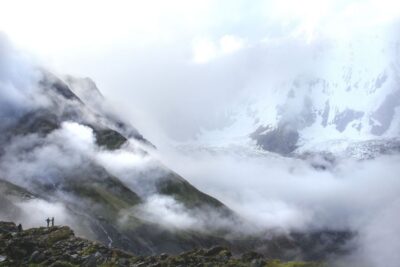
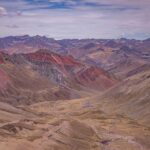
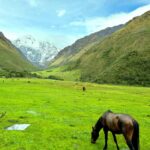
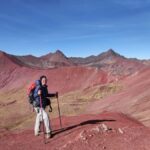
The trek’s signature moment is the day you cross the highest pass at 4,650 m. Midway between two major peaks—Salkantay on the right and Tucarhuay on the left—the views are the reward, and the altitude is the cost.
This is the day when you’ll want to think like a strategist, not just a hiker:
- Keep your effort controlled. You’re not sprinting at 4,650 m.
- Expect cold. The trek description specifically notes the possibility of snow in this area.
- Slow breathing helps more than you think.
If you’re already acclimatized, the pass day feels like a big achievement instead of a medical problem. That’s why arriving in Cusco ahead of time isn’t a suggestion you can ignore. The tour recommends getting to Cusco at least two days early to acclimatize, and I agree with that logic if you want your trek to feel rewarding instead of punishing.
Humantay Lagoon on Day One: A Gentle Start Before the Climb
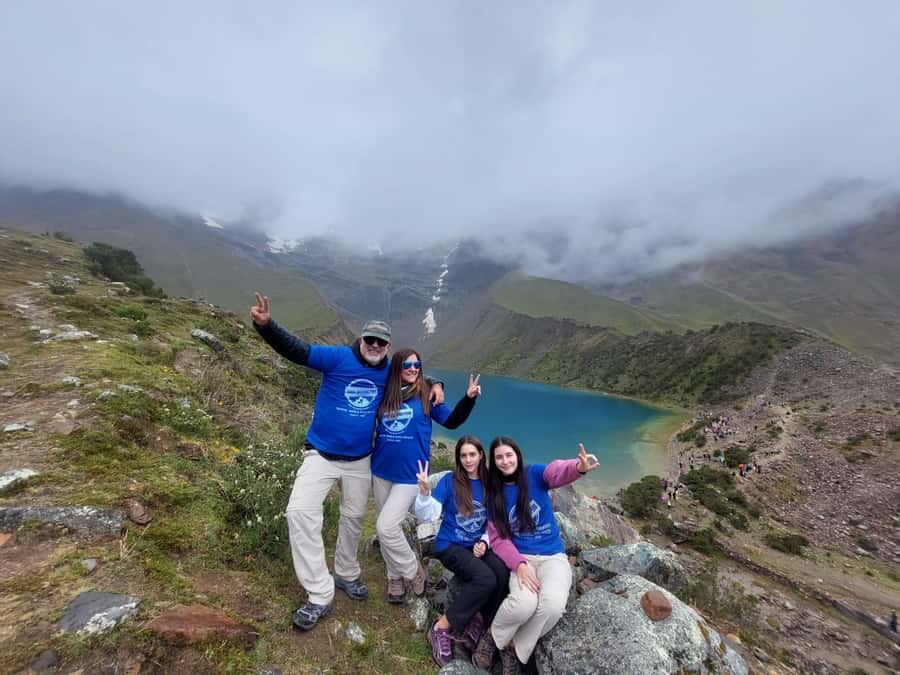
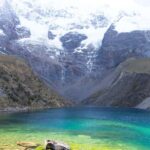
Day one has an excellent rhythm: you travel from Cusco early, then you start hiking and also visit Humantay Lagoon before sleeping in domes at Soraypampa.
Humantay is the kind of stop that makes the trek feel real right away. It’s not just “another viewpoint.” It’s a high-mountain scene that helps you adjust mentally before the big pass day. You also get an early exposure to how weather can change fast at altitude, which is useful when you’re deciding what layers you’ll actually need.
There’s another practical benefit here: you’re not jumping straight into the highest pass without warm-up. The day one pacing helps you build a routine—slow start, steady steps, hydrate, and get your bearings.
Coffee Plantation Camp and the Lluskamayo River: The Trek’s Surprise Side
Most people expect Salkantay to be mostly high mountains and cold air. Day three flips the script. After breakfast you hike toward Playa (the coffee plantation), crossing the Lluskamayo River and multiple streams.
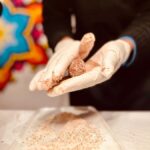
This is also the day that turns the trek from scenic into memorable because of the coffee experience. In Playa, you camp in the domes set in a coffee plantation, and you learn about the coffee process—then you get involved with the steps like harvesting, roasting, and grinding.
Why this matters: coffee-processing work creates a concrete payoff at the end of a long hiking day. Instead of only thinking about your next meal, you also get a story you can take home. It’s a nice break from the “long downhill grind” feeling and adds local culture without forcing it into a staged performance.
Llactapata, Santa Teresa, and the Urubamba Valley Glimpse Before Aguas Calientes
Day four is where you start getting the payoff that makes all the previous effort feel worth it. You try to arrive early at Llaqtapata, where you walk a portion of the original Inca trail. The route gives you a sense of what it means to move through these areas the way local communities have for generations.
You also get a couple of small but meaningful extras:
- The chance to harvest various fruits in the area.
- Huge visual reward over the Urubamba Valley.
- A background view that includes Salkantay and a first real glimpse of Machu Picchu.
After that, you head to Hidroelectrica for lunch, then continue walking—about 2.5 hours—along the train track until you reach Aguas Calientes.
Two things to plan for on this day. First, that train-track walk can feel long if you’re expecting a gentle approach. Second, it’s exactly the kind of transition that makes you appreciate arriving in town. You sleep in a hotel in Aguas Calientes, and you can soak in the hot springs (entrance is 10 soles).
Hot springs aren’t just “nice.” They’re practical recovery. Your legs will thank you.

Sunrise at Machu Picchu: First Bus Timing and the Best Order of Visits
On day five, you get up around 5am and take the first bus at 5:30 am to Machu Picchu, a ride that takes about 25 minutes. The aim is simple: see Machu Picchu as the light starts to rise.
Once you’re in, you get a 2-hour guided tour with your guide. That guided introduction is valuable because it helps you understand what you’re seeing—then you can explore on your own without feeling lost.
If you still have energy, there’s also an optional climb. You can choose to hike to Huayna Picchu (listed at 2,720 m / 8,890 ft) which takes about 1 hour 45 minutes to reach the top, depending on conditions and availability.
Then you leave via train. You’ll take the train around 2:00 pm to 4:00 pm or 6:20 pm depending on availability, arriving in Ollantaytambo after about 2 hours. From there, private transport returns you to Cusco.
Food, Guides, and Who Makes This Trek Feel Smooth
This trek is built around a full support team, and the human side matters. You get:
- A professional bilingual guide (Spanish–English)
- A cook who prepares all meals
- A system of porters (horsemen and mules) handling equipment and food
Meal coverage is strong: 4 breakfasts, 4 lunches, 4 dinners, and 4 snacks. What’s not included is the first breakfast and the last dinner, so plan on eating those on your own.
Your guide and cook can shape the whole mood of the trip. In real-world cases, guides like Roberto and Abel have led groups, and chefs like Mario and Exaltación have been credited with excellent meals. Nobody can guarantee which individuals you’ll get, but the key point is that the tour is designed to run with a real cooking setup and a capable leader at the front.
Two more small-but-useful details:
- Vegetarian and vegan meals are available on request at no extra charge.
- Trekking sticks aren’t included, so if you use them, bring your own.
Price and Value: What $700 Covers (and What You’ll Still Pay For)
At $700 per person for five days, this trek earns its price if you care about the “included” parts that usually cost extra on typical tours.
Here’s what you’re paying for in practical terms:
- Machu Picchu tickets plus the bus up
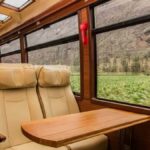
- Train from Aguas Calientes to Ollantaytambo
- Hotel night in Aguas Calientes
- Luxury dome nights with private bathroom and hot shower
- Full meal coverage for most days (with only a couple meals not included)
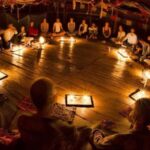
- Guides, transfers around Cusco and back, and a first-day Andean ceremony offering to Mother Earth
What might add costs outside the base price:
- Sleeping bag (not included). Even with warmer dome setups, you still need a way to sleep comfortably in cold conditions.
- Trekking sticks (not included).
- Optional climbs like Huayna Picchu depend on availability, and you’d want to book in advance if you plan to do it.
- A luggage option on day four: you can send your luggage by car from Playa to Hydroelectric then by train to Aguas Calientes for around 20 soles (paid directly).
If you compare this trek to doing the logistics yourself, the included Machu Picchu access, bus, and train help justify the cost. If you’re the kind of traveler who hates fixed plans or wants total control, then the value comes with a tradeoff: you’ll follow the route timing.
Logistics That Matter: Altitude, Ticket Slots, and Bag Rules
This is the part that can make or break your experience, even if the trail itself is excellent.
First: altitude planning. The tour recommends arriving in Cusco two days early. Do that. It’s not just comfort; it’s safety and stamina. If you cut it too close, the high pass day will feel harder than it needs to.
Second: confirm your Machu Picchu entry details early. One real caution from past experiences is that the Machu Picchu ticket information and slot timing didn’t feel fully communicated until a briefing. The guide was still able to help find a solution, but it resulted in a schedule change (like shortening the hike by a day) to secure the ticket slot.
So here’s your practical move: before you start walking, ask and verify the key Machu Picchu items—your entry time slot and the bus to the site—so you aren’t making changes midstream.
Third: understand the luggage rules. You can rely on mules and porters for your key load up to the third day, but from day four you will need to carry your own bags. Bring a daypack for essentials and keep your important items accessible.
Also pack for weather swings. The tour calls for warm clothing, a sun hat, sunglasses, hiking shoes, and cash. Cold at altitude plus strong sun is a common combo, so don’t treat this like only a “hot-weather” trek.
Who Should Book This Salkantay Trek (and Who Should Skip It)
This trek is described as challenging and rewarding, and that shows in the altitude and multi-day effort. It’s not designed for everyone.
It is not suitable (per the tour information) for:
- People with back problems
- People with mobility impairments
- People with heart problems
- Pregnant women
There’s also a detail you should reconcile before booking: the activity is labeled as wheelchair accessible, yet it’s also explicitly marked as not suitable for mobility impairments. For me, the safe interpretation is that this trek is physically demanding with high altitude and long hiking days, so you should treat it as not appropriate unless you get clear confirmation from the provider that your specific situation can be safely accommodated.
If you’re fit, acclimatized, and okay with cold mornings and big effort days, this is a strong choice—especially because the dome nights cut the hardship.
Should You Book the Salkantay Trek to Machu Picchu Sky Lodge Dome?
Book it if you want the best of both worlds: a serious Salkantay challenge plus real comfort at camp, paired with included Machu Picchu logistics (tickets, bus, and guided time).
Skip it or think twice if you:
- Need guaranteed flexibility on Machu Picchu entry times
- Are sensitive to altitude and haven’t planned acclimatization
- Don’t handle cold well without proper gear (bring warm layers and plan for early mornings)
- Have health limits listed by the tour as not suitable
If you do book, your success strategy is simple:
- Arrive in Cusco early to acclimatize.
- Ask for and confirm your Machu Picchu entry slot before you start.
- Bring a sleeping system that handles cold nights, even with domes.
- Pack smart: daypack for quick-access items, and keep cash and essentials ready.
Get those pieces right, and this trek can feel like a smooth, well-run path from the high pass to sunrise Machu Picchu.
FAQ
What does the trek include?
The tour includes a bilingual guide, hotel pickup, transportation to and from the trekking areas, the train from Aguas Calientes to Ollantaytambo, Machu Picchu tickets, the bus up to Machu Picchu, an Andean ceremony, horsemen and mules for equipment and luggage, a cook, meals (4 breakfasts, 4 lunches, 4 dinners, and 4 snacks), kitchen equipment, dome accommodations with private bathroom and hot shower, and a first aid kit.
How much does it cost?
The price is listed as $700 per person.
Is Machu Picchu entry and the bus included?
Yes. Machu Picchu tickets and the bus from Aguas Calientes to Machu Picchu are included.
What is the highest point of the trek?
The highest pass is listed as 4,650 m / 15,200 ft.
Where do you sleep each night?
You sleep in dome accommodations with private bathrooms and hot showers during the trek, and you also get 1 night in a hotel in Aguas Calientes.
Do I need to bring a sleeping bag?
No sleeping bag is included, so you should bring one if you need it for cold nights.
What meals are not included?
The tour does not include the first breakfast and the last dinner.
Are hot springs available in Aguas Calientes?
Yes, hot springs are available in Aguas Calientes, and the entrance fee is listed as 10 soles.
Can I bring vegetarian or vegan food options?
Yes. Vegetarian and vegan food are available on request at no extra charge.
Is Huayna Picchu part of the standard plan?
Huayna Picchu is optional. The climb takes about 1 hour 45 minutes to reach the top and depends on availability, and it’s suggested to book in advance.