REVIEW · CHIANG MAI
Chiang Mai: Elephant Dream Project Sanctuary – Full Day
Book on GetYourGuide →Operated by Elephantdreamproject · Bookable on GetYourGuide
A morning with elephants beats a typical city tour. This full-day outing focuses on free-range interactions—feeding, walking alongside them, and learning from a local guide who grew up around elephants. You’ll also spend time in a village setting, and it’s run with a clear goal: elephants come first, with no forcing for entertainment.
One big plus for me is the emphasis on no-riding ethics and elephant happiness, not show tricks. The second thing I really like is how the day mixes education and quiet observation, so you’re not just taking photos—you’re understanding behavior and day-to-day life.
One heads-up: the ride into the mountains can be bumpy and curvy, and it’s long enough that car-sickness-prone folks may want a plan (for example, motion-sickness meds) before you go.
In This Review
- Key things to know before you book
- How the Full-Day Schedule Flows (and why it matters)
- Hotel Pickup and the Curvy Mountain Ride
- Entering the Sanctuary Day: Food Prep, Feeding, and Elephant-First Rules
- Walking in the Jungle: What the “Walk Together” Experience Really Feels Like
- Your Expert Guide: Why Local Elephant Knowledge Changes the Whole Day
- Lunch in the Middle: Thai Food and Seasonal Fruit Reset
- The Waterfall Stop: Rest Time and a Chance to See Elephants Use Water
- Group Size, Pace, and What to Expect Day-Of
- Price and Value: Is $73 a Fair Deal for This Kind of Day?
- Who This Tour Suits Best (and who should consider other options)
- Should You Book Elephant Dream Project Sanctuary Full Day?
- FAQ
- FAQ
- How long is the Chiang Mai Elephant Dream Project Sanctuary full-day tour?
- What time does the pickup happen in Chiang Mai?
- How long is the drive to the sanctuary?
- What do I do during the elephant portion of the day?
- Is lunch included?
- Is there time to visit a waterfall?
- Is the tour limited to a small group?
- What language is the tour guide?
- What’s included in the price (and what isn’t)?
- Does the sanctuary allow riding or forced entertainment?
Key things to know before you book
- Small group size (up to 10) helps you get more time and less waiting around.
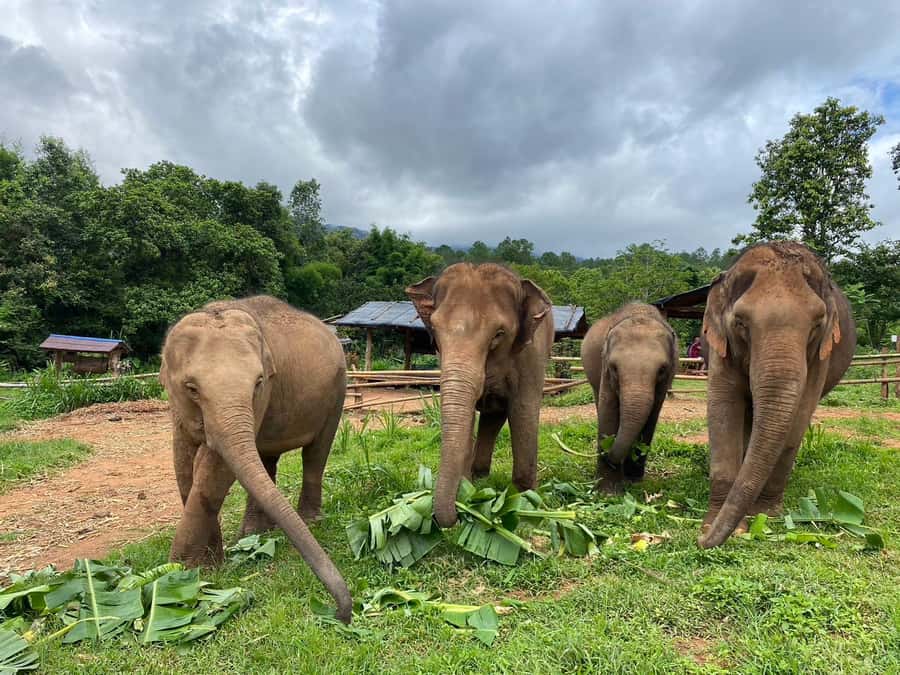
- Feeding and walking are the core activities, with interaction kept on the elephants’ terms.
- Expert local guide shares elephant knowledge and explains why the project works the way it does.
- Village time gives context for the people supporting the sanctuary and its land.
- Waterfall break is built into the schedule for a real pause, not nonstop animal time.
- Mountain drive means comfort matters—especially if you get motion sick.
How the Full-Day Schedule Flows (and why it matters)
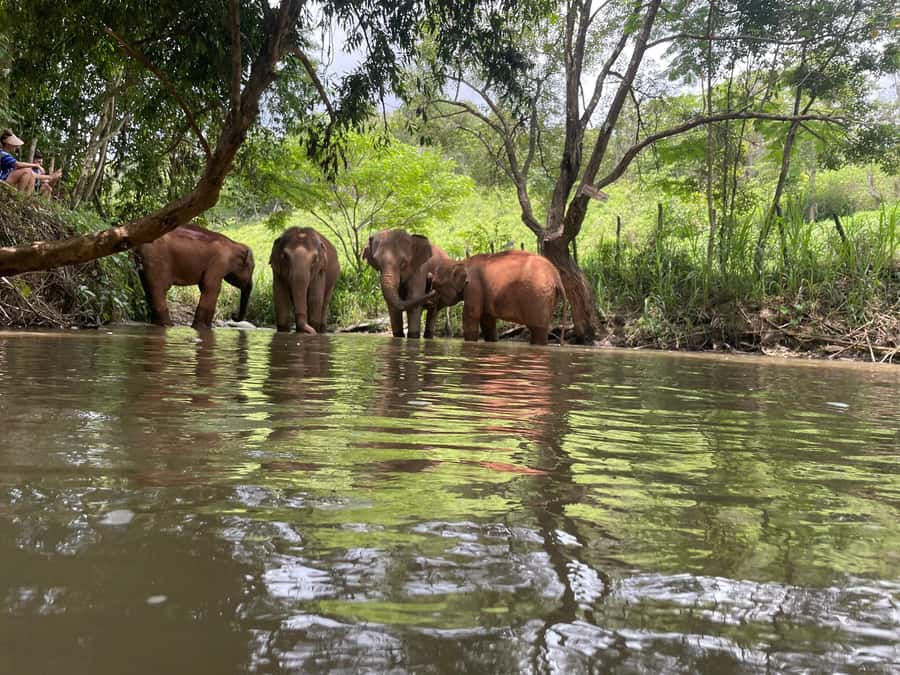
This is an 8-hour day with a simple rhythm: arrive, learn, interact, eat, rest, then head back. The timing is designed to maximize actual time with the elephants while still giving you breaks that make the day feel manageable.
You’re picked up in Chiang Mai around 7:00–7:30 AM, then you’re on the road for about 1.45 hours. After you arrive, you get an intro from the local expert guide about the elephant project and how the day works. From there, the morning is mostly hands-on (food prep, feeding, walking in the jungle), and lunch drops you into a calmer middle of the day.
In the early afternoon, you shift gears to a more restful stop at the waterfall, then you return to Chiang Mai and drop off around 5:00–5:30 PM. That return window matters. It’s late enough to feel like a full experience, but early enough that you can still do dinner plans in town without it eating your whole evening.
You can also read our reviews of more tours and experiences in Chiang Mai


Hotel Pickup and the Curvy Mountain Ride
The tour includes roundtrip transfers and pickup from any hotel in Chiang Mai city. You’ll meet the driver in the hotel lobby about five minutes before your scheduled pickup time, and you’ll want to be ready to go.
The drive is the one practical downside people flag. The sanctuary is up in the mountains, and the road can be very bumpy and very curvy. If you’re someone who gets queasy in a car—especially on winding roads—prepare for it. I’d treat this like a legit mountain transfer, not a casual city hop.
What I’d do: keep your seat comfortable, try to face forward, and have a motion-sickness plan ready. If you already know what works for you, use it before you start the climb rather than waiting until you feel sick.
Entering the Sanctuary Day: Food Prep, Feeding, and Elephant-First Rules
The heart of this experience is that it’s built around how elephants live, not how humans can stage moments for entertainment. The project runs activities based on natural elephant happiness, and you’ll feel that in the structure of the day.
After your arrival and introduction, you’ll spend time preparing supplementary food for the elephants. That detail matters. When you help make the food, you’re not just handing things over like a vending machine—you’re part of the routine. It also tends to slow the day down, which makes it easier to pay attention to behavior.
Then comes feeding. Feeding is one of the main contact points, and it’s handled in a way that keeps things on the elephants’ terms. In multiple accounts, the interaction is described as non-forced—elephants approach, engage, or pass when they want to.
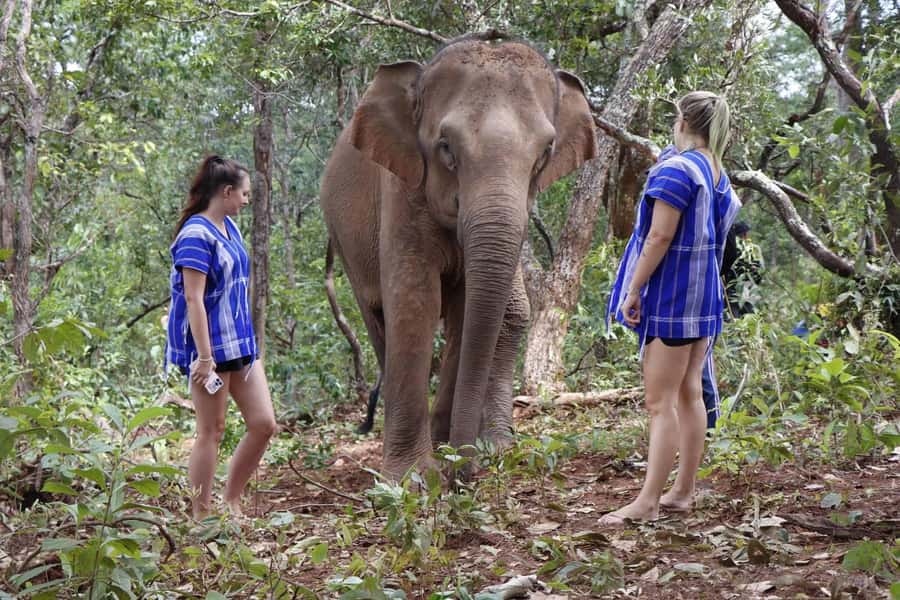
You’ll also have the chance to walk with the elephants in the jungle, guided by the expert local team. This is not a “stand in a circle while the elephant performs” setup. The guide helps you understand what you’re seeing—how elephants move, how they forage, and what calm, non-rushed contact looks like.
One thing I like about this format: it gives you interaction without turning the animals into ride-on props. You’re there to observe and participate in their day, not turn the day into a stunt.
Walking in the Jungle: What the “Walk Together” Experience Really Feels Like
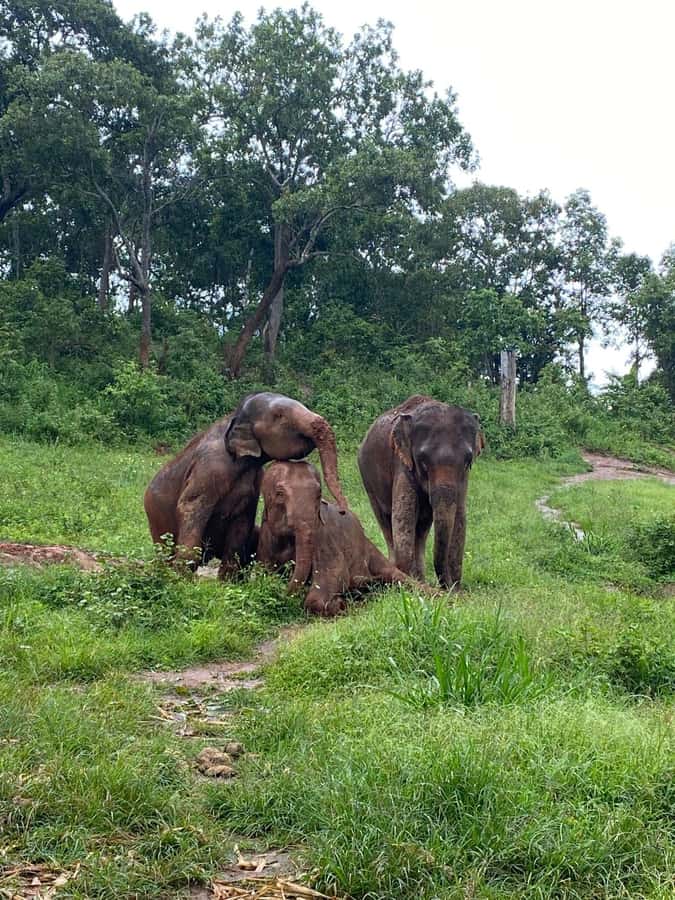
A “walk with elephants” activity can mean different things across Thailand, so here’s the practical way to think about this one.
You’re walking alongside elephants in a jungle habitat with an experienced guide. The point isn’t speed. It’s closeness plus guidance: you’re learning what elephants are doing and why, while the group keeps a respectful distance and pace.
In reviews, the elephants are described as well cared for, living in a safe, natural environment with strict rules against riding and other entertainment-style contact. That matters for how you experience the walking portion. Instead of trying to “get the perfect moment,” you’re watching for natural rhythms—feeding, moving through the habitat, and taking breaks when it suits them.
Practical note: you should expect some walking on uneven ground since you’re in a jungle setting. Wear something you can move in and shoes that won’t hate damp patches.
Your Expert Guide: Why Local Elephant Knowledge Changes the Whole Day
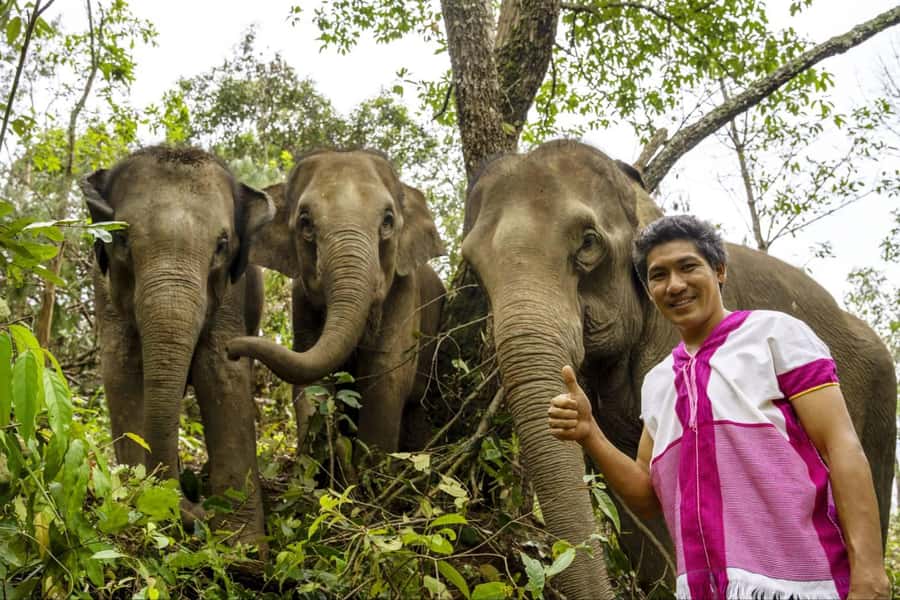
This tour includes a live English-speaking guide, and the standout theme is that you’re learning from someone who understands elephants from the inside.
You’ll get an introduction to the project and the elephants, and the guide explains elephant behavior and the reasons behind the rules. A big part of the day is education in plain language—what elephants need, how they communicate, and why ethical tourism looks the way it does here.
One of the coolest angles is the connection to the village and community support. People report learning about how the project supports smaller village people and locally owned businesses, and that this helps create a better long-term outcome for both the elephants and the people living nearby. If you care about travel that helps more than just your photo roll, this is the kind of context that makes the day feel grounded.






Lunch in the Middle: Thai Food and Seasonal Fruit Reset
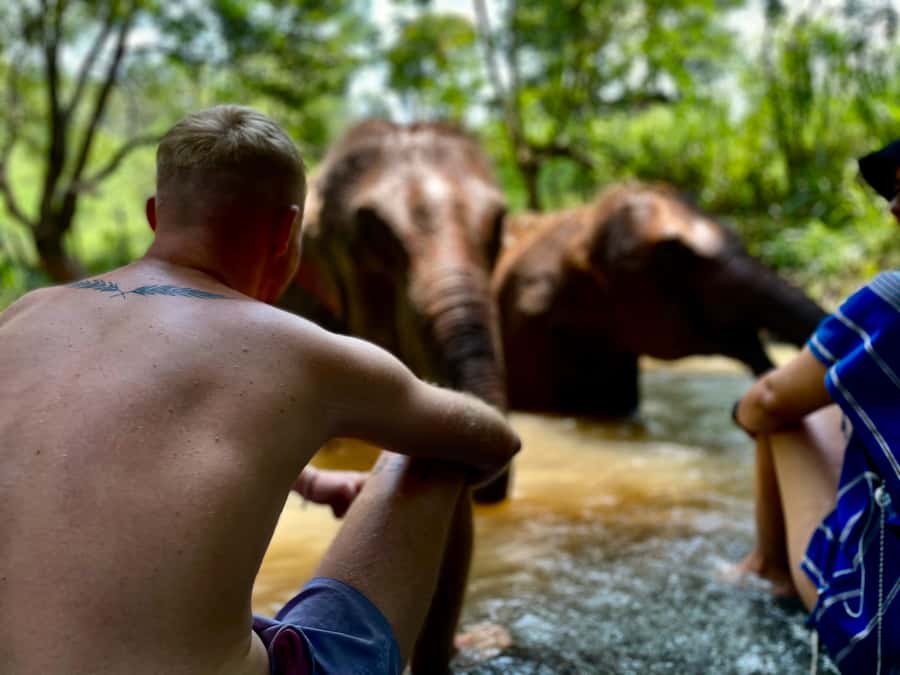
At around 12:00 PM, you’ll have lunch with Thai food and seasonal fruits. This is more than a break from the heat and movement. It also gives you time to reset your brain after the more intense morning: feeding, food prep, and walking create a lot of sensory input.
Lunch is included, and there’s also bottled water provided. Soft drinks aren’t included, so if you want something other than water, you’ll need to plan on buying it separately.
I like that the meal is simple and local. It fits the day’s tone: less luxury-tour vibe, more “spend a whole day in the real region” feel.
The Waterfall Stop: Rest Time and a Chance to See Elephants Use Water
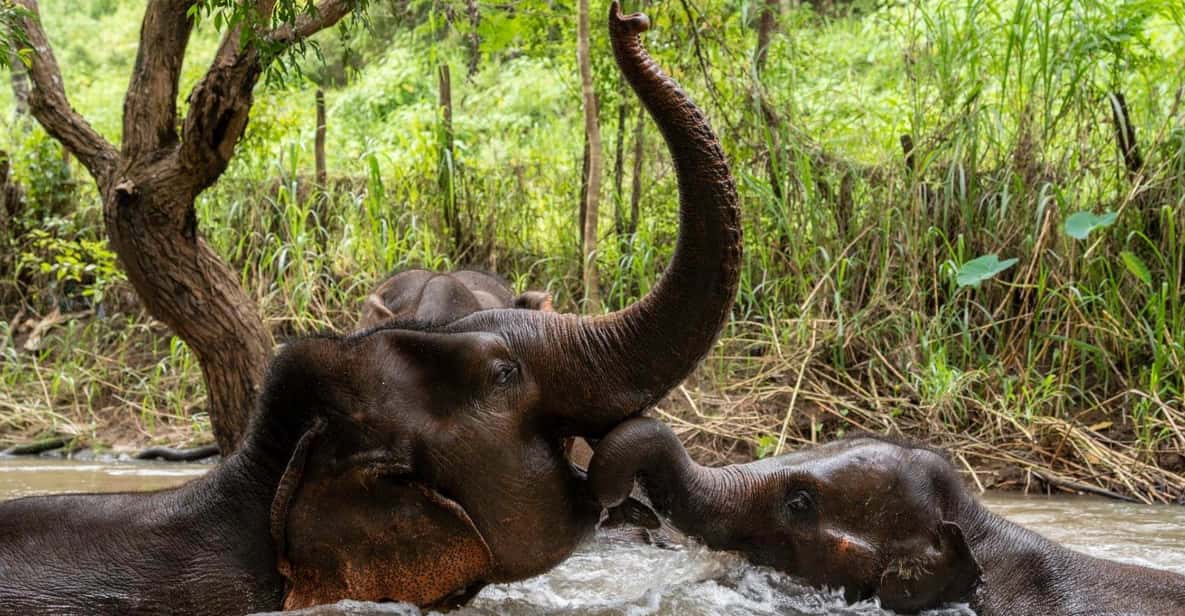
After lunch, the schedule includes time to relax at a waterfall around 2:00 PM. This is a true pace-break. The first half of the day is active and close. The waterfall portion shifts you into a calmer stretch where you can enjoy the setting and refuel before the drive back.
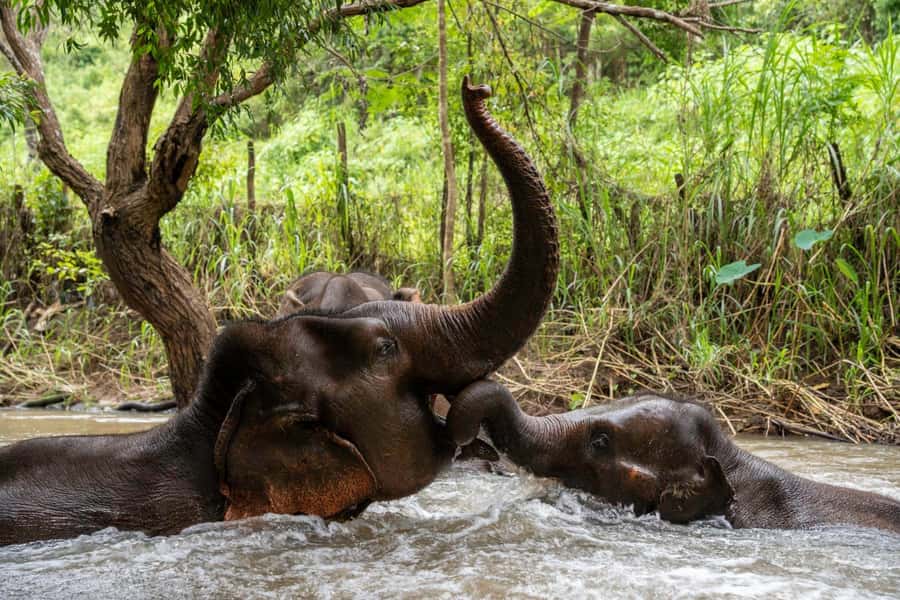
Some reports also mention elephants interacting with water areas—like watering holes or a river walk—depending on how the day unfolds. The key point for you: the schedule gives you a “different kind of focus” after the jungle walking, so you’re not just repeating the same activity for hours.
If you love simple natural scenery plus thoughtful downtime, this stop helps the day feel complete.
Group Size, Pace, and What to Expect Day-Of
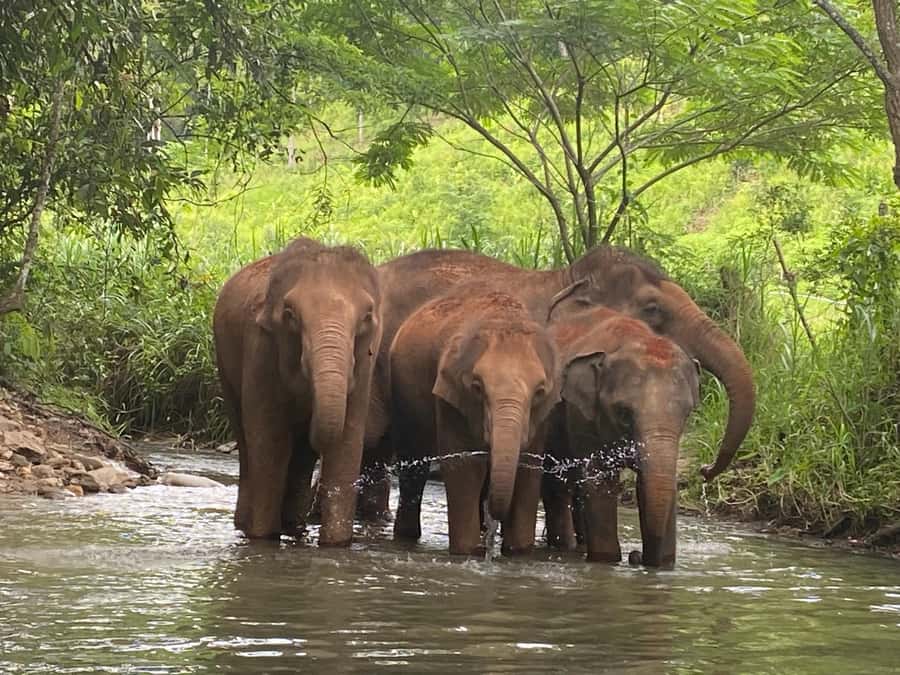
This is a small group tour limited to 10 participants. In practice, that often means a more personal experience. One review described an even smaller group, which made the time feel more intimate and less rushed.
The pace is full-day, so you’re not doing a quick sample. Plan for an active morning and a slower afternoon. You’ll have driving time, a guided intro, feeding and walking activities, lunch, and then waterfall downtime before heading back.
My practical advice for comfort:
- Bring water and plan on drinking it (water is included, but your body may still ask for more).
- Wear shoes that can handle mud or damp ground.
- Expect a day that depends on conditions. If the elephants are moving calmly, the experience will feel calm too.
Price and Value: Is $73 a Fair Deal for This Kind of Day?
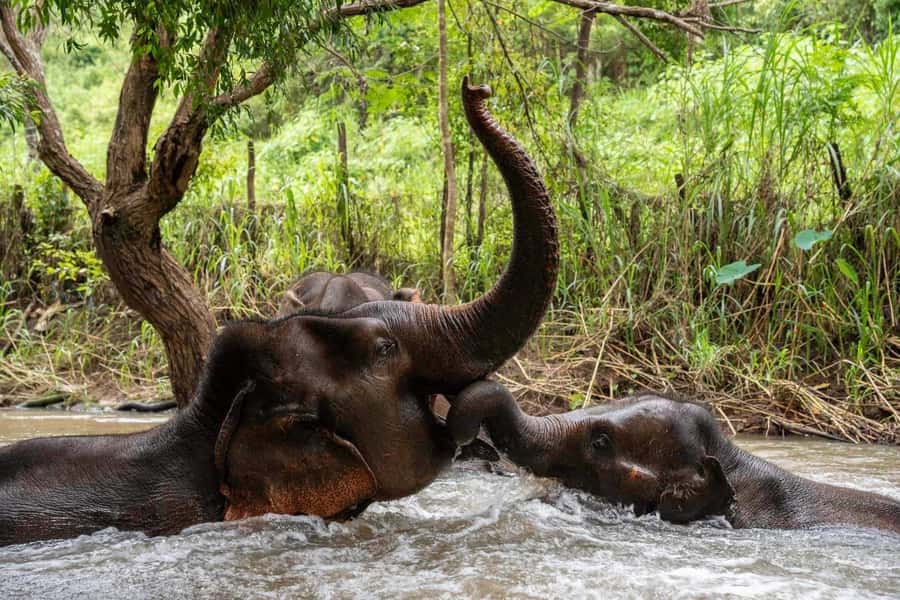
At $73 per person for an 8-hour experience with roundtrip transport, lunch, water, elephant feeding food, and entry tickets, the value is mostly about what you’re paying for: access plus ethical time.
If you compare this to higher-priced “entertainment elephant” attractions, this tour’s pricing feels more reasonable because:
- There’s no cost hidden in a bunch of add-ons listed as separate activities.
- Lunch and water are covered.
- You’re paying for a structured day with an expert guide, not just an animal encounter.
There’s also a clear ethical factor built into the rules: no riding and no forcing. You’re paying for a sanctuary-style visit that prioritizes elephant welfare and natural behavior, which usually costs more to operate but also changes the experience in a meaningful way.
Not included: soft drinks. That’s the only easy-to-miss item. If you want juice or soda, plan to grab it on your own.
Who This Tour Suits Best (and who should consider other options)
This is a great fit if you want:
- An ethical elephant experience where interaction is kept on the elephants’ terms.
- More than a photo stop: feeding, walking, and guide-led learning.
- A day that connects elephant care with local community support, not just animal sightseeing.
It may be less ideal if:
- You get motion sickness easily, since the mountain drive is long and curvy.
- You want a totally relaxed sit-down experience. This day includes walking in jungle terrain and multiple activity blocks.
If you’re traveling with kids, it could work well if the family is comfortable with a full day outdoors and can handle some walking. If your group is very mobility-limited, you’d want to think carefully, since walking with elephants is part of the core format (though exact walking effort isn’t described in the details you provided).
Should You Book Elephant Dream Project Sanctuary Full Day?
If your travel goal is to meet elephants in a way that prioritizes elephant happiness and avoids the common circus-style setup, I think this is a solid choice. The full day gives you time to do the meaningful parts—feeding, walking, learning, and a scenery break at the waterfall—without turning the experience into a rushed checklist.
My call: book it if you’re okay with a long mountain transfer and you’ll enjoy a guided, respectful day in nature. Skip it if the curvy drive would likely make you miserable or if you only want a very passive attraction.
FAQ
FAQ
How long is the Chiang Mai Elephant Dream Project Sanctuary full-day tour?
It’s about 8 hours total.
What time does the pickup happen in Chiang Mai?
Pickup is scheduled for 7:00–7:30 AM.
How long is the drive to the sanctuary?
The journey takes about 1.45 hours one way.
What do I do during the elephant portion of the day?
You’ll receive an introduction, then you’ll prepare supplementary food, feed the elephants, and walk with them in the jungle with an English-speaking guide.
Is lunch included?
Yes. Lunch includes Thai food and seasonal fruits, and you’ll also have water.
Is there time to visit a waterfall?
Yes. The schedule includes time to relax at a waterfall around 2:00 PM.
Is the tour limited to a small group?
Yes. It’s limited to 10 participants.
What language is the tour guide?
The live tour guide speaks English.
What’s included in the price (and what isn’t)?
Included: roundtrip transfer in Chiang Mai, lunch, water, food for feeding elephants, and entry tickets. Soft drinks are not included.
Does the sanctuary allow riding or forced entertainment?
Based on the experience details and policies described in accounts, the elephants are not ridden and activities are run based on natural elephant happiness without forcing for entertainment.