REVIEW · CHIANG MAI
CHIANG MAI ELEPHANT VILLAGE SANCTUARY JUNGLE ADVENTURE
Book on GetYourGuide →Operated by Elephant Village Sanctuary · Bookable on GetYourGuide
The road out of Chiang Mai starts the story. This 6-hour jungle adventure blends a rural drive, a Karen family’s village experience at Dok Ko Ki, and close elephant time in a way that focuses on calm, supervised interaction. You’ll also get a proper break from city rhythms with rice fields, rivers, waterfalls, and big mountain scenery.
Two things I like a lot: you meet the people who care for the elephants, and you spend time with them in the jungle setting instead of a quick, staged stop. The small-group format is designed to keep elephants relaxed while still letting you be up close.
One drawback to consider is that the day is quite structured and rules are strict. Flash photography is not allowed, and you also cannot ride the animals, so if you’re picturing a more thrill-heavy elephant experience, this may not match your expectations.
In This Review
- Key Things to Know Before You Go
- Morning Drive From Chiang Mai to the Rice-Field Edge
- Dok Ko Ki Karen Village and the Briefing by Ken Palasu
- Elephant Time in the Jungle: Calm, Supervised, Up-Close
- Waterfall Cool-Down and Seeing Elephants in Their River Rhythm
- Lunch With Ken’s Family and the Social Part of the Day
- How the 6 Hours Fit Together (and Where the Free Time Lands)
- Price and Value: What You’re Actually Paying For
- Rules You’ll Need to Respect (Before Your Day Starts)
- Who This Tour Is Best For
- Quick Tips to Make It Easier on Yourself
- Should You Book This Chiang Mai Elephant Village Sanctuary Jungle Adventure?
- FAQ
- How long is the Chiang Mai Elephant Village Sanctuary Jungle Adventure?
- Is hotel pickup and drop-off included?
- What is included in the price?
- Can I ride the elephants?
- Is flash photography allowed?
- What food and activities are included besides elephants?
- Is there free cancellation or pay-later booking?
Key Things to Know Before You Go
- Dok Ko Ki (Karen village life): You don’t just pass by; you walk through rice fields and learn how a Karen family lives.
- Ken Palasu’s briefing: Expect a humorous, family-led intro before you meet the elephants.
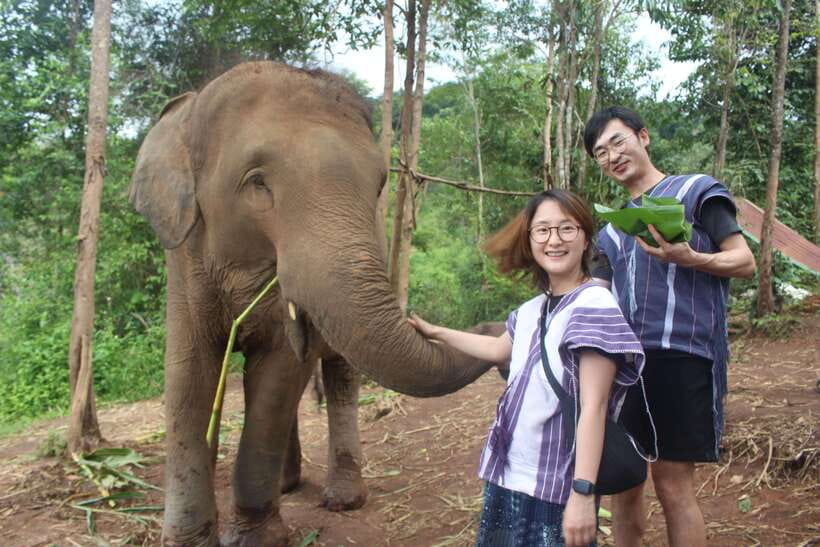
- Jungle elephant contact: Direct interaction happens with mahouts supervising and small groups keeping things low-stress.
- Waterfall and river time: A short trek gives you a cool-off pool and a chance to see elephant river behavior.
- Lunch with the family: You’ll eat local food after the main wildlife portion.
- Strict etiquette rules: No alcohol/drugs, no flash photos, no animal riding, and noise is discouraged.
Morning Drive From Chiang Mai to the Rice-Field Edge
Your day starts with pickup at 7:30 am from your hotel reception area in Chiang Mai. You’re going to leave the city quickly, and you can feel that change in your own body: cooler air, fewer buildings, and more breathing room. Even if you’ve seen northern Thailand before, the shift from town outskirts to rural mountain views is one of those small “I’m in the right place” moments.
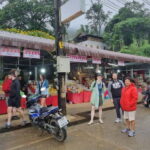
Along the way, you’ll stop for a coffee break in a small town, then walk through a fresh vegetable and meat market. This part matters more than it sounds. Markets aren’t just for food shopping; they’re where you see everyday life at a slower pace. You may also notice that many locals speak a northern Thai dialect, which is a subtle reminder that Chiang Mai isn’t the same as central Thailand.
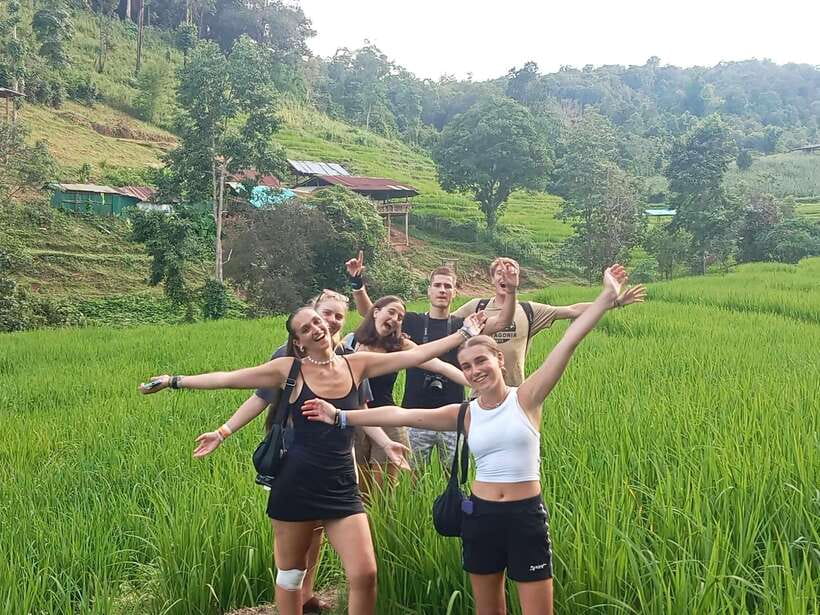
You’ll pass green rice fields and villages as the mountain range comes into view. That scenery is part of the value of the day: you’re not only traveling to the elephants, you’re traveling through the kind of countryside that explains why elephants still fit into certain parts of this region.
You can also read our reviews of more tours and experiences in Chiang Mai.

Dok Ko Ki Karen Village and the Briefing by Ken Palasu
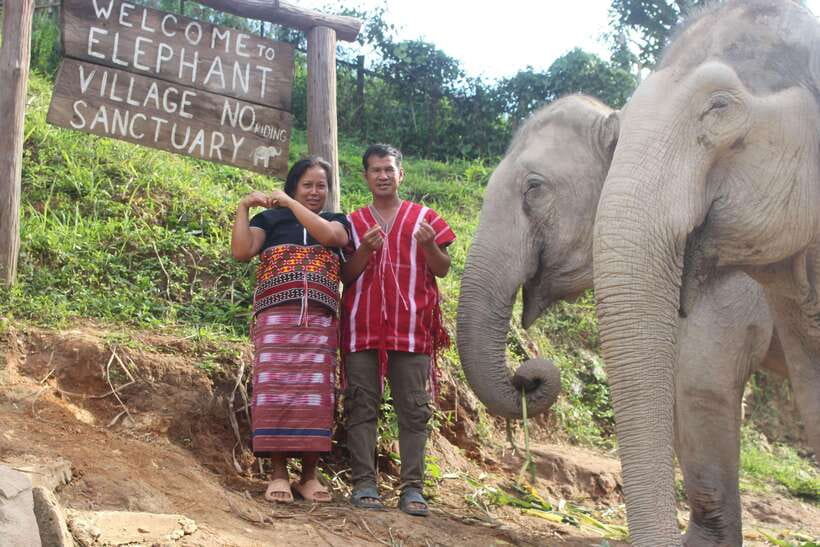
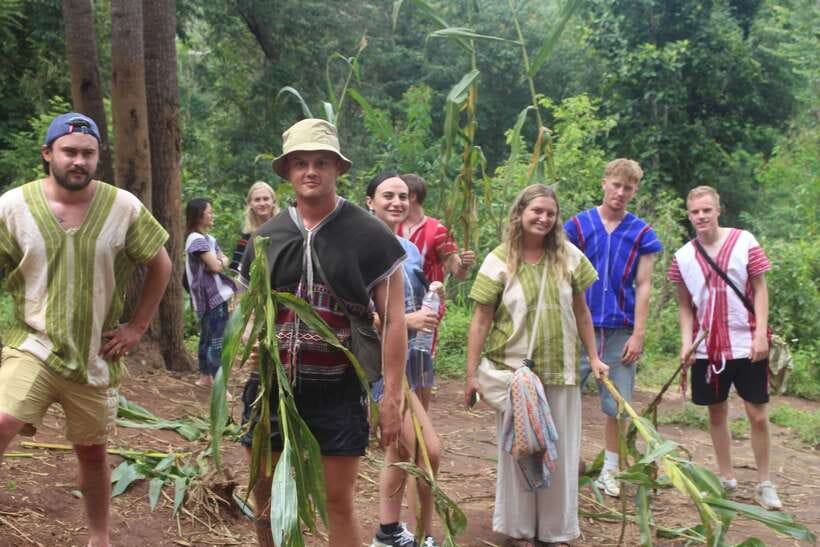
As you head further off the beaten route, you arrive at the Karen village of Dok Ko Ki. A key point: you won’t see elephants immediately. Their home is in the jungle, so you start with the human side of the story first. That sequencing makes a difference. Instead of treating elephants like an attraction, you’re introduced to the village community that cares for them.
You walk through the rice fields toward your meeting place, taking videos and pictures along the way. Then comes a short briefing from the owner, Ken Palasu, who covers his family, the village, and the elephants. The briefing is described as humorous, and that’s helpful because it sets expectations in a friendly way. You’ll also hear elephant facts that can surprise you, which is a nice bonus if you’ve read elephant basics already.
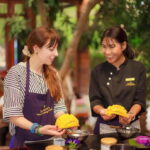
Before you go into the next phase, you change into traditional Karen outfits. The outfit is meant to help keep your clothes clean during the activity. Practically speaking, that also helps you blend into the moment. You’ll probably feel like less of a spectator once you’re dressed for the day and walking with the group.
Elephant Time in the Jungle: Calm, Supervised, Up-Close
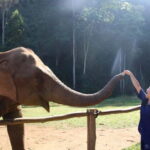
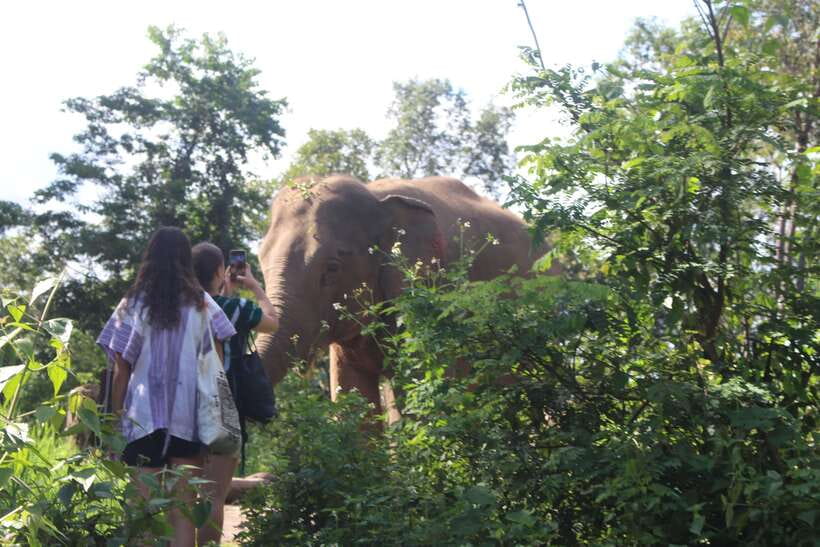
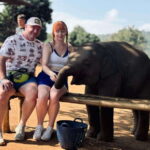
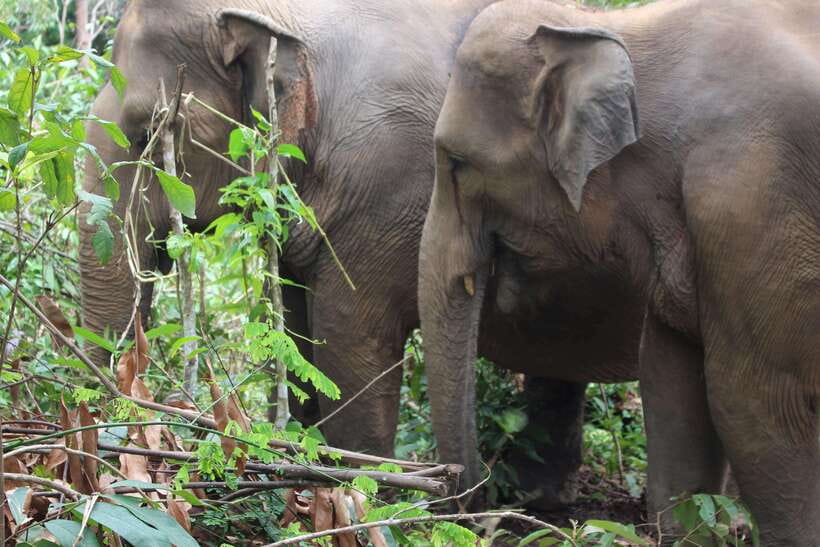
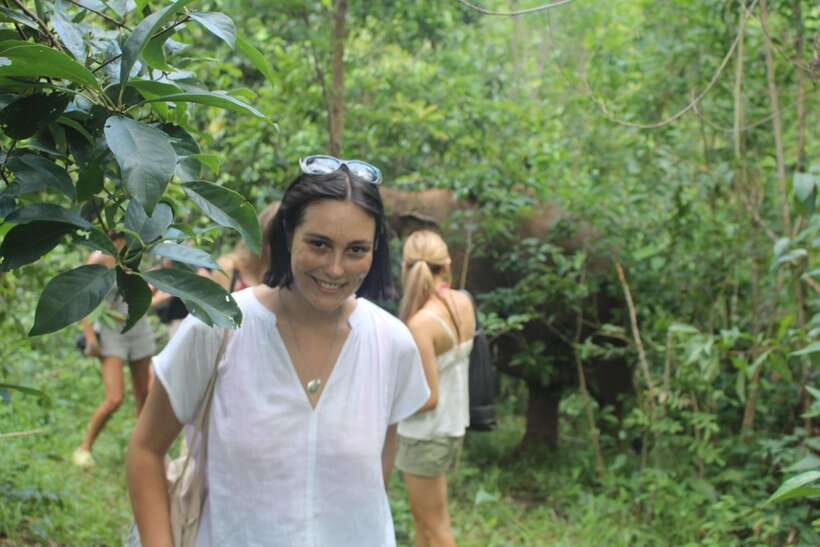
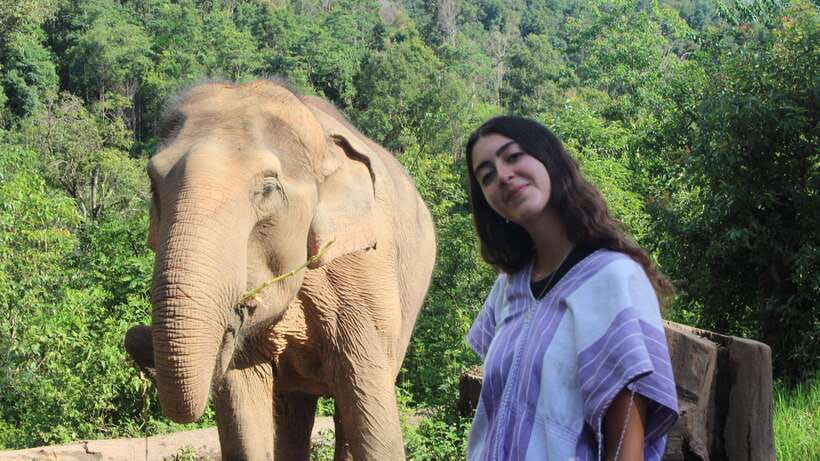
This is the heart of the experience: meeting the elephants. Your anticipation ends when you see them feasting on foliage in their jungle home. The experience is framed as gentle and focused on well-being, and you’re not left guessing what that means.
You interact with the elephants under mahouts’ supervision, and the format emphasizes small groups so the animals don’t get stressed. That’s important because elephant welfare in the wild-or-semi-wild setting is not about how cute the photo looks. It’s about whether the animals can keep their rhythms.
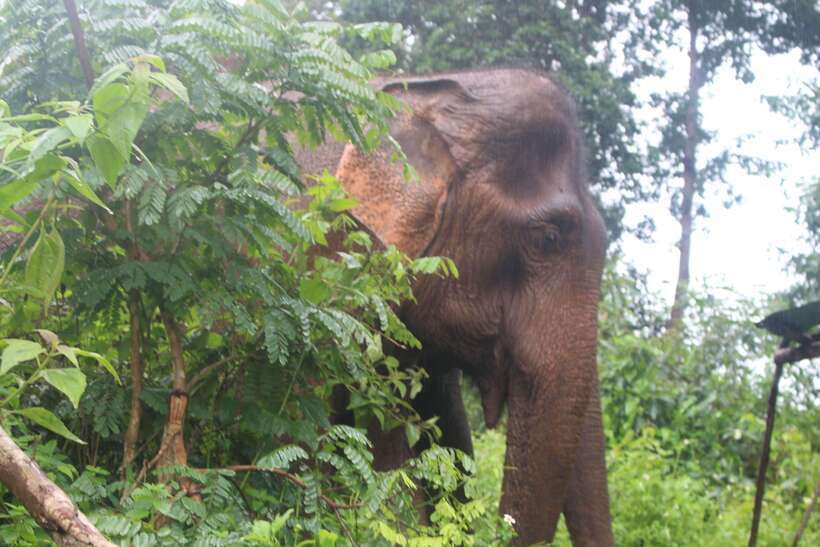
One especially praised detail from a recent report is how the elephants are described as roaming more freely than in a typical facility. In that account, the elephants were said to move around in the jungle area on around 25 hectares, without stables and without chains. The same report also said they still show up when it’s snack time, then return to the jungle afterward. Even if the exact movement pattern may vary day to day, the overall idea is consistent: you’re not just looking at elephants behind barriers.
You may notice playful antics as they feed. You’ll have plenty of time to take photos and videos, but remember flash photography is not allowed. That rule keeps light disruption down for both elephants and the people helping care for them.
Finally, let’s be clear about what you cannot do: riding the animals is not allowed. That’s a big deal for deciding whether this tour fits your idea of a Chiang Mai elephant day. If you want a ride, you’ll need a different option.
Waterfall Cool-Down and Seeing Elephants in Their River Rhythm
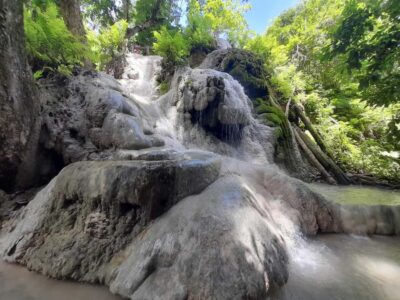
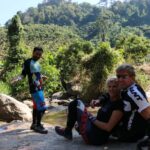
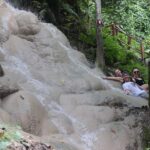
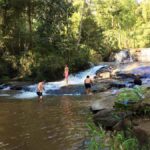
After the village-to-jungle elephant portion, the schedule shifts to cooling off. You take a short trek to a waterfall where you can swim in a pool. This is one of the easiest sections to underestimate. The trek may be brief, but humidity and wet rocks make comfort matter. If you plan to swim, bring practical swim clothes and something to dry off with afterward.
Then you’ll get another elephant moment, this time near the river. The elephants are described as frolicking in the water nearby, so this is where you can watch behavior that looks more natural than you might expect from a zoo-like setting. You may even help with cleaning themselves when they come to the river.
One underrated benefit here is logistics. The experience includes shower facilities, which helps you not go straight from wet jungle into a long day of travel with damp clothes. You’ll still feel the day in your body, but at least you can reset.
Lunch With Ken’s Family and the Social Part of the Day
Once the active parts of the day settle down, you’ll eat a local lunch prepared by Ken’s family. This is a genuinely useful break in the timeline, not just a food stop. You’ll have time to talk with your group, compare what you noticed about elephant behavior, and share impressions of Karen village life.
The tone here is described as warm hospitality, and that matches what you’d hope for in a community-led experience. A family-prepared lunch is often where cultural understanding becomes practical: you learn what people actually cook and how they host.
If you have dietary needs, the tour data doesn’t spell out options. So it’s smart to mention your needs ahead of time when you confirm your pickup.
How the 6 Hours Fit Together (and Where the Free Time Lands)
The day is built around a steady rhythm:
- Pickup and a drive that includes a food market and scenic views (about 50 minutes).
- A long wildlife viewing block (about 3 hours), which is where the elephants and jungle-focused parts happen.
- A short window of free time (about 30 minutes).
- Lunch (about 1 hour).
- Scenic driving back to your hotel (about 50 minutes).
What that means for you: you won’t be wandering solo for long stretches. If you’re the type who likes lots of downtime to decompress, the schedule may feel fast. But if you prefer a day that stays structured, this setup can feel reassuring: you know what’s next, and you’re not left figuring logistics out yourself.
The free time is brief, so use it to refuel, use the restroom, and handle anything personal like camera storage.
Price and Value: What You’re Actually Paying For
At $48 per person for about 6 hours, this tour is priced in the midrange for Chiang Mai elephant experiences. What makes it feel like better value is what’s included, not just the base price.
Your fee goes toward elephant upkeep, after expenses. You get:
- Hotel pickup and drop-off
- Transportation to and from the village
- An English-speaking guide (the owner)
- Insurance
- A traditional Karen outfit
- Additional elephant food
- Bottled water
- Shower facilities
- Local lunch
- The family-led hospitality and the interaction time
That combination matters because elephant tours can become expensive once you add extras like lunch, transport, and guide fees. Here, they’re already bundled. The biggest thing you should check is the quality of animal care and the way interaction is handled. The tour’s rules (no riding, supervised contact, and no alcohol/drugs) are at least signs that it tries to reduce risky behavior.
Also note: one low rating criticized the description for potentially being misleading. I don’t know what specifically caused the complaint, but it’s a reason to ask questions before booking if animal welfare transparency is your top concern.
Rules You’ll Need to Respect (Before Your Day Starts)
This is not a casual party outing. It’s a nature and community day with clear boundaries.
Not allowed:
- Alcohol and drugs, and intoxication
- Flash photography
- Unaccompanied minors
- Making noise, making fire, and nudity
- Riding the animals
What to bring:
- Personal medication
For most people, the biggest friction points are usually the etiquette and the photography rule. If you love nighttime or action shots with a flash, you’ll need to adjust your camera habits. And if you’re expecting a ride, plan on skipping this one.
Who This Tour Is Best For
This experience fits best if you want:
- A day that combines culture (Karen village life) with wildlife viewing
- Close elephant time that is supervised and focused on gentleness
- A real schedule with transport, food, and guide handled for you
- A rainforest-and-rice-fields feeling rather than only a viewing platform
It may not fit if:
- You want riding as part of your elephant memory (this is explicitly not allowed)
- You get uncomfortable with a structured day and a strict set of conduct rules
- You dislike early starts (pickup is at 7:30 am)
Quick Tips to Make It Easier on Yourself
A few practical moves make this day smoother:
- Bring any medication you need, since it’s the one required item listed.
- Expect you might get wet. If you’re swimming at the waterfall, wear swim-friendly clothes or plan for a change.
- Keep your phone/camera ready but follow the rule: no flash.
- Keep your voice down around elephants and follow the guide’s instructions quickly. The experience is built around not stressing the animals.
Also, confirm pickup by email after you arrive in Thailand. The tour data asks you to email [email protected], preferably 48 hours before the activity, and it repeats that pickup is at 7:30 am at your hotel reception.
Should You Book This Chiang Mai Elephant Village Sanctuary Jungle Adventure?
I’d book it if your ideal Chiang Mai elephant day includes real interaction without riding, plus Karen family culture, and you’re okay with rules that keep the experience respectful. The combination of village life, elephant time, waterfall cooling, and a family-prepared lunch is a lot for one half-day window, especially with pickup/drop-off and included amenities.
I’d hesitate or at least ask pointed questions if you’re mainly chasing a specific photo style, want more free-roaming time, or you’re worried about whether the description matches what actually happens. One low rating signals that mismatch is possible for at least some people, so trust your instincts and ask the provider what the day will look like for your priorities.
If you’re flexible, respectful, and ready for a structured jungle day, this can be a meaningful way to experience elephants as living neighbors, not just a novelty.
FAQ
How long is the Chiang Mai Elephant Village Sanctuary Jungle Adventure?
It runs for 6 hours.
Is hotel pickup and drop-off included?
Yes. Pickup and drop-off at your hotel are included, and pickup is at 7:30 am at your hotel reception.
What is included in the price?
The fee includes pickup/drop-off, transportation, an English-speaking guide (owner), insurance, traditional Karen outfit, bottled water, shower facilities, local lunch, additional elephant food, and the elephant upkeep fee (after expenses).
Can I ride the elephants?
No. Riding the animals is not allowed.
Is flash photography allowed?
No. Flash photography is not allowed.
What food and activities are included besides elephants?
You’ll visit a market, enjoy a short trek to a waterfall where you can swim, spend time watching elephants near the river, and have a local lunch.
Is there free cancellation or pay-later booking?
Yes. There is free cancellation up to 24 hours in advance for a full refund. You can also reserve now & pay later, meaning you can book and pay nothing today.