REVIEW · CHIANG MAI
Chiang Mai: Inthanon, Ethical Elephant Sanctuary & Waterfall
Book on GetYourGuide →Operated by Joy Elephant Sanctuary · Bookable on GetYourGuide
Elephants in a forest. Then high-mountain mist.
This day trip pairs Joy Elephant Sanctuary with a hike-and-view loop around Doi Inthanon, and the elephant part matters because you don’t ride or touch them. I like that the program focuses on observation and feeding, plus a Karen cultural start that makes the whole morning feel more grounded than a typical stop-and-snap tour.
My favorite second piece is the mountain time: Thailand’s highest peak area brings that cooler, misty air, and the Twin Pagodas plus the jungle trails around Pha Dok Siew feel like a real nature day instead of just sightseeing.
One thing to consider: it’s a long, active day, and you’ll be on your feet (plus a roofed 4×4 at the sanctuary approach), so it’s not a fit if you want minimal walking or if you need wheelchair access. Dress for cool hilltop weather and bring insect repellent.
In This Review
- Key things to know before you go
- Getting to Joy Elephant Sanctuary: the ride sets the tone
- Ethical elephant observation in Mae Wang: Karen culture and the feeding walk
- Tea, snacks, and waterfall time (with no elephant bathing)
- Lunch and the transfer to Doi Inthanon: how to stay comfortable
- Doi Inthanon National Park: misty summit energy and the Twin Pagodas
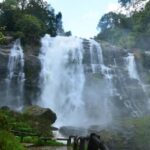
- Pha Dok Siew hike: forests, rice crops, and waterfall country
- Handmade Thai souvenir workshop: a practical memory you keep
- Price and value: is $76 a good deal for this full day?
- Who should book this day trip (and who should skip it)
- Should you book this tour?
- FAQ
- FAQ
- How long is the Chiang Mai: Inthanon, Ethical Elephant Sanctuary & Waterfall tour?
- Where does the pickup happen?
- What transportation is used during the day?
- Is lunch included?
- Is the elephant experience ethical, and do I ride or touch the elephants?
- What is included besides the elephant activity?
- Does the tour include Doi Inthanon and the Twin Pagodas?
- What should I bring for this tour?
- Is the tour wheelchair accessible?
- Can I cancel for a full refund?
- Is there an upfront payment required?
Key things to know before you go
- Ethical elephant observation with feeding, foraging walks, and no riding or touching
- Karen cultural welcome including traditional clothing and learning about the tribe’s connection with elephants
- Tea break by the waterfall area plus snacks, with no elephant bathing
- Thailand’s highest peak region for misty air, scenic viewpoints, and the Twin Pagodas
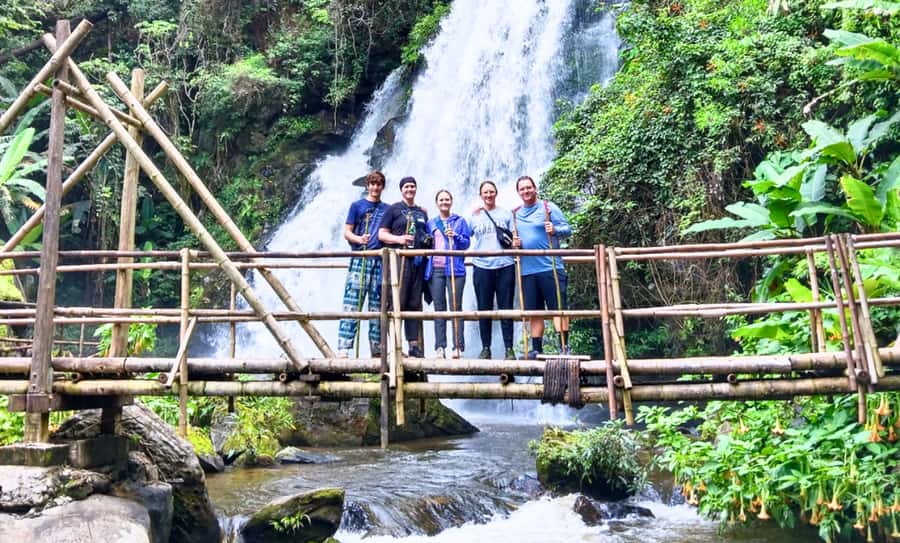
- Pha Dok Siew hiking through jungle/outer mountain trails, with a chance to see rice crops
- Handmade Thai souvenir workshop to take home something you made
Getting to Joy Elephant Sanctuary: the ride sets the tone
The day starts with pickup from your place in the Mueang Chiang Mai Old City area (within 5 km), then you settle into a 12-seater, air-conditioned van for the drive toward the Mae Wang region. Expect about 1.5 hours of transit time before you hit the sanctuary area—enough for your coffee (or your brain) to wake up, not enough for people who hate sitting.
Here’s the practical detail that shapes the experience: for the last 10 minutes near the sanctuary, the tour switches from the van to a roofed 4×4 truck. It’s short, but it’s bumpier than the van, and the roofed setup still lets you feel the weather. If it’s warm and humid, you’ll feel it. If it’s breezy, you’ll feel that too. Either way, it’s part of the “getting into the hills” vibe.
The tour also builds in what I call “energy management.” You get water during the day, a local meal at midday, and a towel provided—small things that help when you’re moving between jungle, waterfall time, and mountain walking.
You can also read our reviews of more tours and experiences in Chiang Mai.



Ethical elephant observation in Mae Wang: Karen culture and the feeding walk
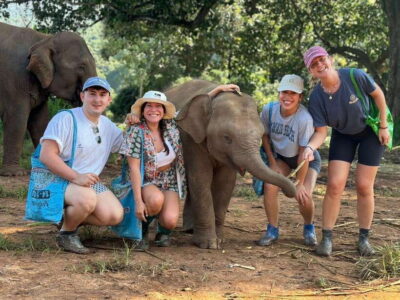
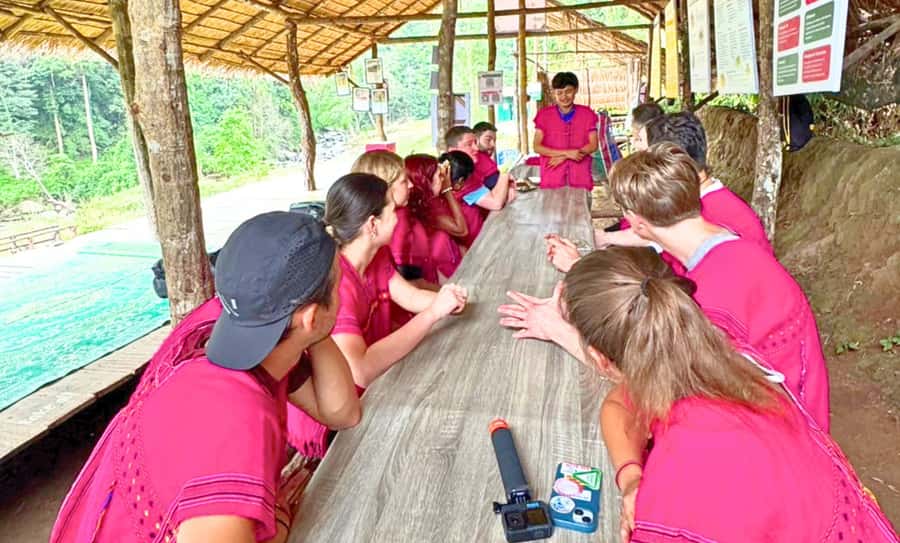
At Joy Elephant Sanctuary, the morning is designed around watching elephants behave naturally, not performing tricks. You’ll start with a Karen cultural segment, including dressing in traditional Karen clothing. That matters because it frames elephants as more than an attraction. The Karen people are introduced in the program as having a deep connection to these gentle giants, and that context helps you pay attention instead of just staring.
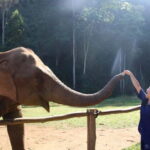
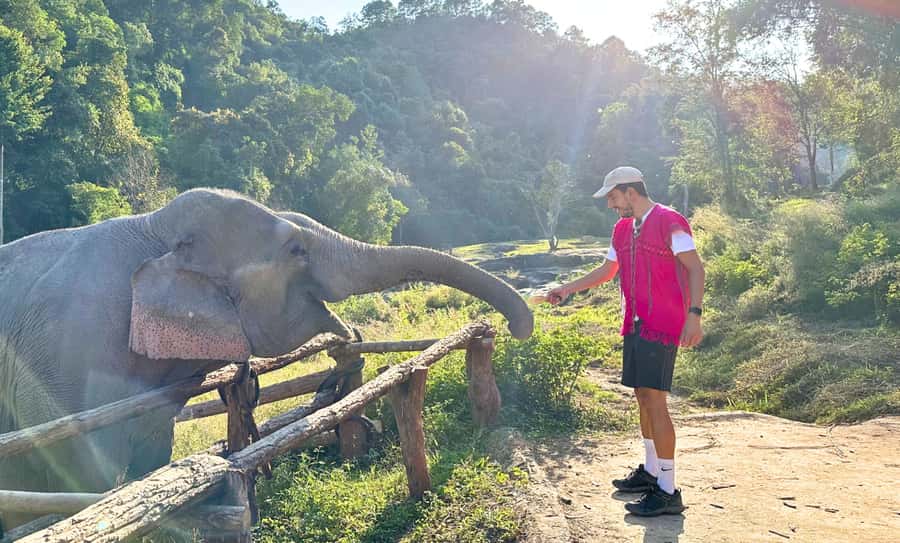
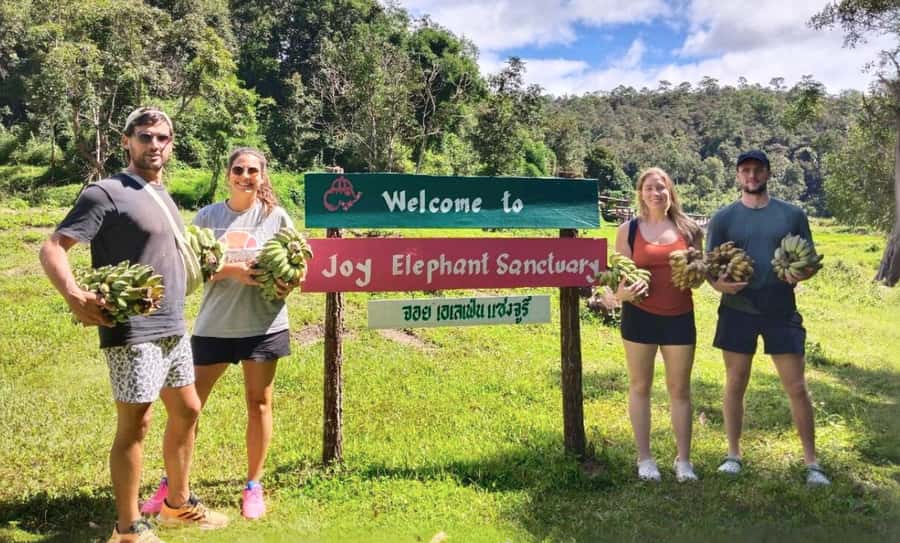
Then comes the elephant feeding and observation portion. This is where the ethical approach shows up clearly: you feed them and watch them, but the experience is structured so you don’t touch or ride. A lot of elephant tours in Chiang Mai blur that line. This one keeps it strict, which I consider the biggest win for your conscience.
During the walk and foraging time, you’ll move alongside elephants as they browse in the lush jungle. You’re not expected to “control” them. You’re there to notice. The pace is relaxed enough to see them react to their surroundings, but active enough that you’re out of a vehicle and actually in the environment. If you’ve been on animal experiences that feel like you’re herding people into selfies, this feels different—more calm, more observational, more like you’re sharing a space rather than staging a show.
A nice bonus from the way the program is described: the sanctuary works with elephants connected to past labor situations (rescues or elephants that used to work). That adds meaning if you care about where your money goes and how these animals are treated.
Tea, snacks, and waterfall time (with no elephant bathing)
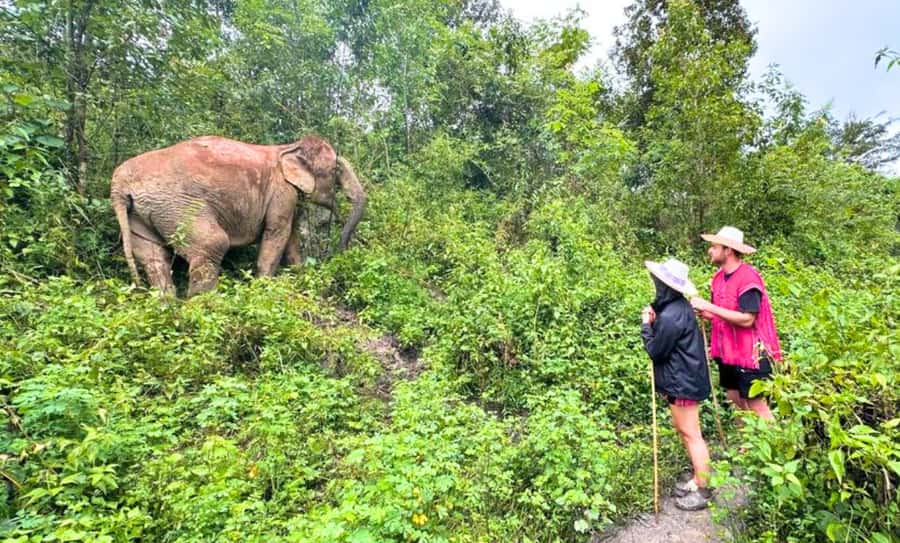
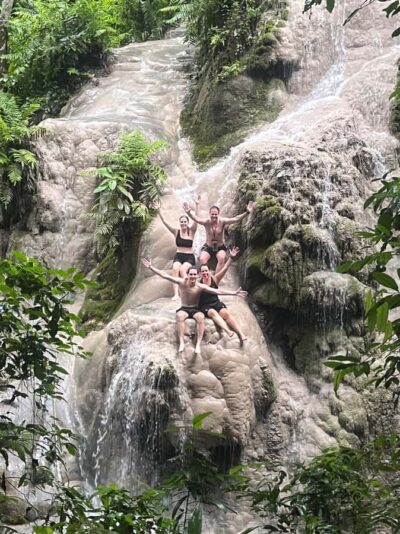
After the feeding walk, you get a break that keeps the day from turning into nonstop hiking. There’s tea and snacks, and the program includes a waterfall-area pause where you can cool down while watching elephants in their natural habitat.
Important for packing: you’re encouraged to bring swimwear and a change of clothes, plus you’ll want sports shoes or hiking shoes. That’s your hint that “water time” isn’t just a distant view. You may get a chance to dip or cool off at the waterfall area during the break. The tour also provides a towel, so you’re not stuck improvising.
You’ll also notice one clear boundary in the experience: no elephant bathing. That’s a meaningful distinction, because bathing programs often shift toward handling and spectacle. Here, the focus stays on the animals being elephants—where they can move, forage, and relax without being used as a prop.
One more tip: pack for insects and sweat. The sanctuary part is outdoors, so insect repellent is not optional if you burn easily. And bring sunscreen anyway, even on cloudy days.
Lunch and the transfer to Doi Inthanon: how to stay comfortable
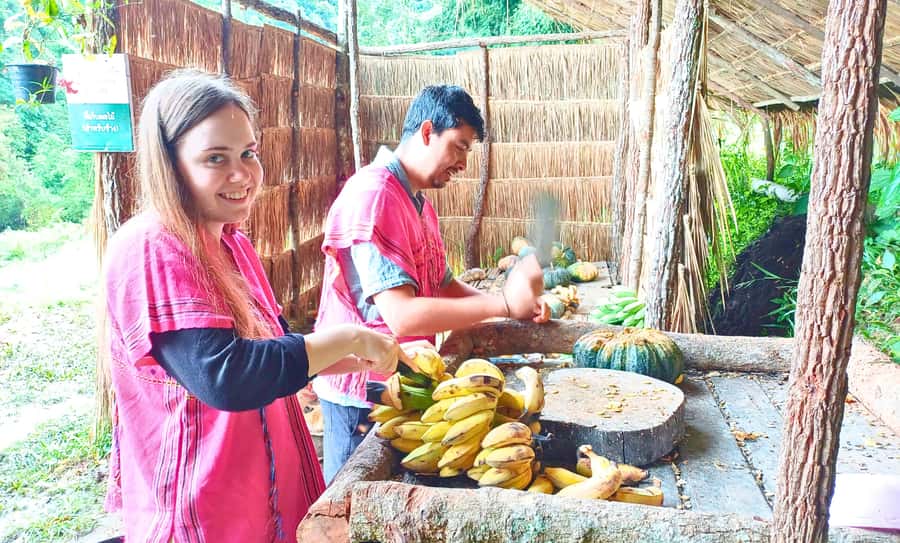
Midday lunch is included as a complimentary local meal. The time block is short—about 30 minutes—so don’t treat it like a sit-down restaurant experience. Eat, drink water, and reset your feet and your expectations.
Then you jump back in the van for about 1 hour to reach Doi Inthanon National Park. This is where the day’s temperature can shift. Chiang Mai at street level can feel muggy and warm, but once you climb higher, your comfort changes fast. The program explicitly asks you to bring a jacket or warm clothes for the top of the hill. Do it. You don’t want to “tough it out” while the wind cools you down.
If you’re the type who gets tired walking in heat, this is your window to slow your pace mentally. You’ll still be moving later, and the mountain air can feel refreshing at first—then you start thinking about your shoes.
Doi Inthanon National Park: misty summit energy and the Twin Pagodas
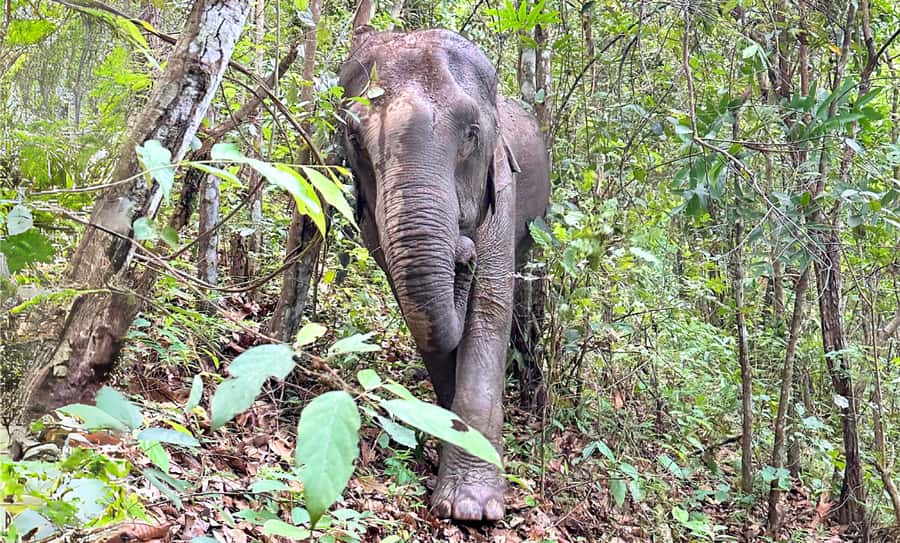
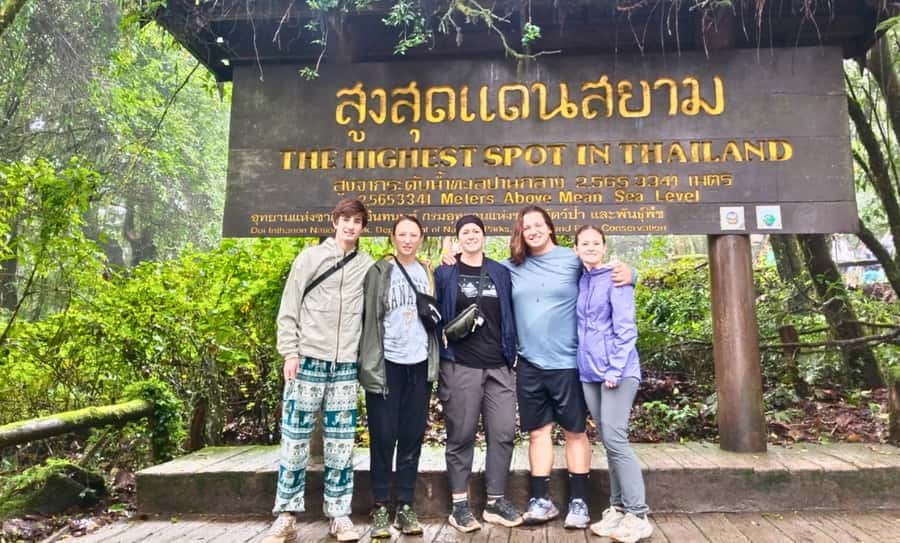
Doi Inthanon is the mountain showstopper in this itinerary, and the timing gives you meaningful time on-site—about 4.5 hours for guided sightseeing, walking, and scenic stops on the way. This is not just a “drive to a view and go.” You’ll actually hike and walk as part of the park exploration.
As you reach the higher area, you’ll feel the classic Doi Inthanon mood: cooler air and misty conditions that can change quickly. That mist matters because it shapes how you see the landscape. Instead of sharp, hot-bright views, you get softer visibility and a feeling of being in the clouds.
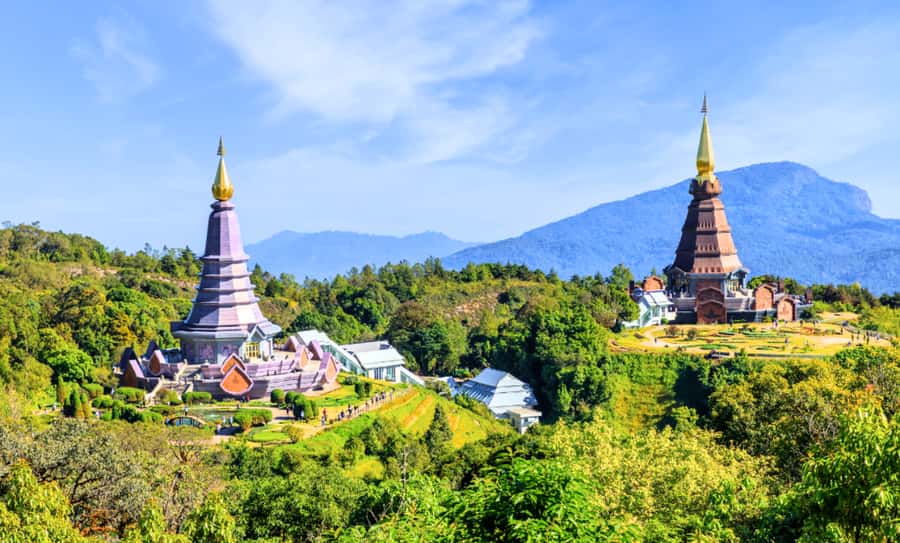
You’ll also visit the Twin Pagodas, an iconic landmark for the area. Even if you’re not the world’s biggest temple person, this stop tends to be worth it because it gives you a break from trekking and a chance to slow down, look around, and catch your breath. Pagodas also provide a cultural contrast after the elephant morning—different Thailand, same respect for place.
On the way and during the walks, your guide keeps things moving but not frantic. Expect scenic viewing stops and shorter walks that build up your day without turning it into a full training session. Still, wear shoes you trust. Mountain damp + uneven ground is a combo that punishes flip-flops.

Pha Dok Siew hike: forests, rice crops, and waterfall country
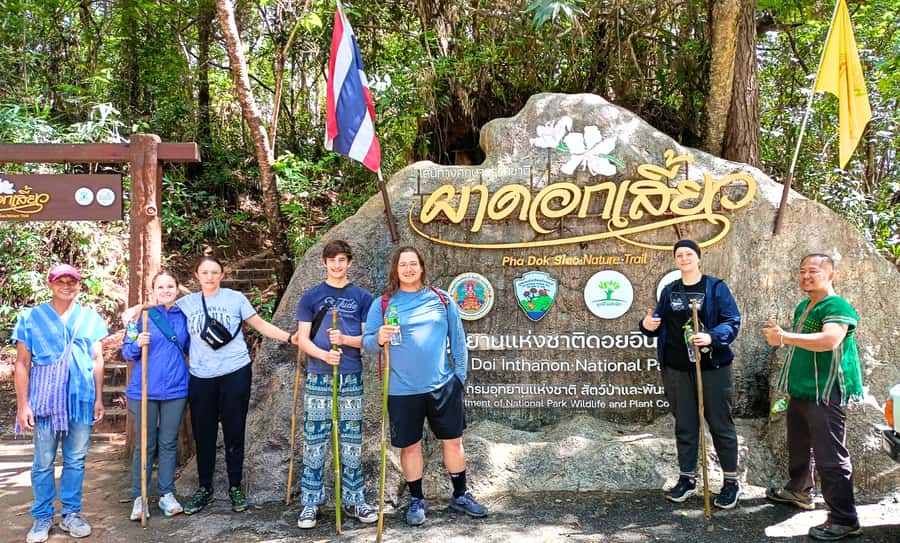
The best part of the afternoon is often the “outer mountain” hiking segment around Pha Dok Siew. This is where the itinerary shifts from big highlights to smaller moments you feel more in your legs than in a camera.
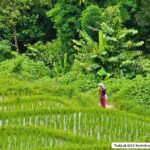
The tour experience is described as hiking through lush forest and then experiencing the nature vibe around the area, with mention of rice crops in the outskirts. That combination can be surprisingly memorable: you go from jungle shade to glimpses of cultivated land, and the air can feel different in each space.
It’s also the part of the day that rewards you for paying attention. Don’t just look at the path—listen and notice the changes in humidity and light. The guide’s role matters here because you’re moving through a landscape where getting your bearings makes the walk more enjoyable.
One realistic consideration: this hiking portion is why you were told to bring hiking shoes and insect repellent. You’re outdoors for hours, and the terrain can be uneven. If you have knee issues or your balance isn’t great, take smaller steps and give yourself time on the up-and-down sections.
Handmade Thai souvenir workshop: a practical memory you keep
Some tours end with a quick market stop. This one ends with a Thai cultural handmade souvenir workshop, where you craft something yourself. That’s a smarter kind of souvenir. You’ll remember the process because your hands were involved, not just because you carried a bag.
Since the details of the specific item aren’t listed, I’ll keep this honest: you should expect a workshop where you make a small cultural keepsake designed for visitors to take home. Either way, it helps the day feel complete—elephants in the morning, mountains in the afternoon, and a tangible reminder at the end.
Price and value: is $76 a good deal for this full day?
At $76 per person for a 12-hour experience, the value depends on what you want out of Chiang Mai beyond the basics. For me, the value is strong because this isn’t just one activity. You’re paying for:
- Round-trip transport from most Old City hotel zones (within 5 km)
- An English-speaking guide
- Entry tickets for Inthanon National Park and the Twin Pagodas
- Elephant food and snacks (and the ethical sanctuary program)
- Water, towel, insurance, and a local meal
That combination usually costs more when booked separately. Also, the elephant ethics are a big part of the value. If you care about not riding or touching elephants and you want an observation-focused encounter, you’re paying for a specific standard of treatment, not just proximity.
Could it feel pricey if you hate long drives and walking? Sure. It’s a full day with a nature-and-mountain schedule. But if you want a “one day, two worlds” itinerary—elephant ethics + mountain exploration—this price is reasonable, and the inclusions keep you from adding a bunch of extras later.
Who should book this day trip (and who should skip it)
This tour is a great fit if you:
- Want an ethical elephant experience that doesn’t turn animals into rides
- Love hiking and want mountain views, not just temple photos
- Like when a tour includes cultural learning (Karen clothing, souvenir workshop)
- Want a full day that balances animals, water, and nature
It’s not a good fit if you:
- Need wheelchair access (the tour says it’s not suitable)
- Want minimal walking or prefer flat, easy routes
- Get very uncomfortable on bumpy rides (the roofed 4×4 truck is short but real)
Also note the packing list tells the truth: you’ll likely be dealing with sun, insects, outdoor humidity, and cooler temperatures up on the mountain. Plan like you’re going outdoors for real.
Should you book this tour?
If you’re torn between a “quick elephant stop” and a “real nature day,” book this. The best reason is the elephant program: feeding and observation with clear rules against riding or touching, plus no elephant bathing. That ethical focus makes the whole day feel less like entertainment and more like responsibility.
If you’re the type who enjoys a busy schedule with guided pacing—van to sanctuary, then park to summit-area views, then hiking around Pha Dok Siew—you’ll probably love the rhythm. If you’re fragile with cold, walking, or uneven ground, you may find it tiring.
Bring the jacket. Bring repellent. Wear the right shoes. Do that, and this is one of the more complete Chiang Mai day trips that actually mixes meaning with good scenery.
FAQ
FAQ
How long is the Chiang Mai: Inthanon, Ethical Elephant Sanctuary & Waterfall tour?
The tour lasts 12 hours.
Where does the pickup happen?
Pickup is included from accommodations within 5 km of Chiang Mai’s Old City, in the Mueang Chiang Mai District.
What transportation is used during the day?
You travel in a 12-seater air-conditioned van, and for the last 10 minutes to reach the sanctuary you switch to a roofed 4×4 truck.
Is lunch included?
Yes. Lunch (a complimentary local meal) is included.
Is the elephant experience ethical, and do I ride or touch the elephants?
The program is described as an ethical elephant sanctuary experience with feeding and observation, and it includes rules that you cannot touch or ride the elephants. No elephant bathing is included.
What is included besides the elephant activity?
The package includes an English-speaking tour guide, elephant food and snacks, drinking water, a towel, insurance, and tickets for Inthanon National Park and the Twin Pagodas.
Does the tour include Doi Inthanon and the Twin Pagodas?
Yes. You visit Doi Inthanon National Park and the Twin Pagodas, and you also do walking and hiking in the area.
What should I bring for this tour?
You should bring swimwear, a change of clothes, hiking shoes, sunscreen, insect repellent, and sports shoes. A jacket is also recommended for the hilltop/cooler area.
Is the tour wheelchair accessible?
No. It is not suitable for wheelchair users.
Can I cancel for a full refund?
Yes. Free cancellation is available up to 24 hours in advance for a full refund.
Is there an upfront payment required?
No. You can reserve now and pay later, meaning you pay nothing today.