REVIEW · BANFF
Banff: Lake Louise, Moraine Lake, Gondola, Cave & Basin Tour
Book on GetYourGuide →Operated by Banff ToDo · Bookable on GetYourGuide
Banff feels like it was built for postcards, and this day tour stitches the best parts together. You’ll ride up for Sulphur Mountain views, then chase the classic turquoise and blue lakes, with stops at Bow Falls and the Fairmont area.
I like two things most: the plan is timed so you’re not spending half the day figuring out parking and lines, and the local guide turns each stop into more than just a photo op (names you might hear include Ivan, Sammy, Andrew, Clint, Louie, and Mandy).
One thing to think about: the day moves quickly. If you opt for the gondola or hot springs add-on, the extra ticket timing can slightly reduce your free time in Banff town—so if you want a slow day at one lake, this may feel a bit “show-here-go-now.”
In This Review
- Key things to know before you go
- Gondola vs Upper Hot Springs to start the day
- How Bow Falls and Surprise Corner fit into the day
- Banff Avenue lunch time: your one real reset block
- Lake Louise: turquoise shore time (and what to do with it)
- Moraine Lake in summer, Lake Minnewanka in winter
- Winter notes: crampons and trail reality
- Bow Falls, the lakes, and the Gondola: why the timing works
- Price and value: what you really get for about $71
- What’s included vs not included (so there are no surprises)
- Who this Banff day trip suits best
- Final call: should you book this one-day Banff plan?
- FAQ
- How long is the Banff Lake Louise, Moraine Lake, Gondola, Cave & Basin tour?
- What’s included in the tour price?
- What isn’t included?
- When do you visit Moraine Lake, and what happens in winter?
- What if Banff Upper Hot Springs is closed during my travel dates?
- Do I need to bring crampons for winter?
Key things to know before you go
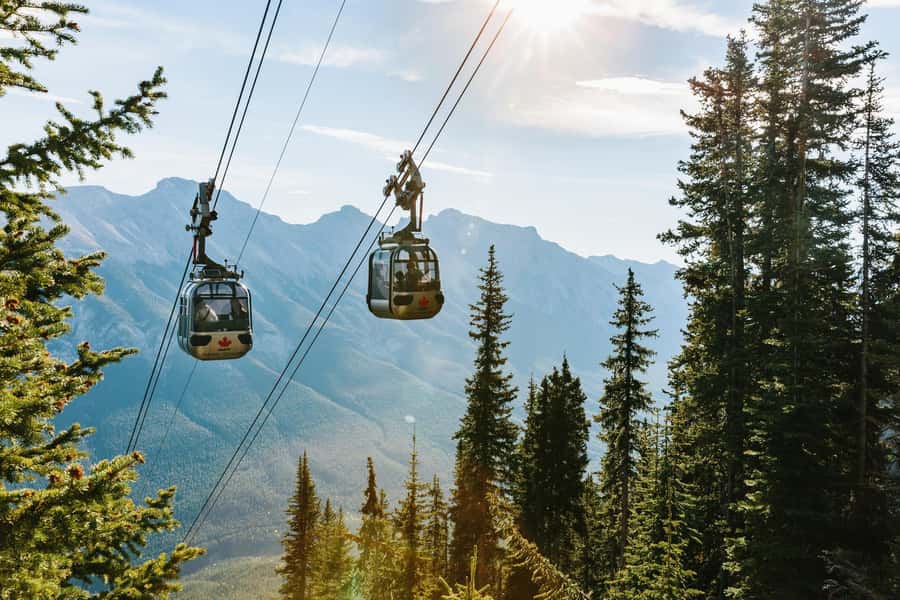
- Gondola summit vs Upper Hot Springs: you choose the morning option, and your schedule depends on it
- Moraine Lake season switch: Moraine Lake runs Jun 1–Oct 13, then you go to Lake Minnewanka
- Weather-friendly structure: you still hit multiple icons even when roads and trails are slow
- Fairmont viewpoints stop: you’ll see the Banff Springs area from a signature viewpoint near Surprise Corner
- Winter footing help: crampons are provided in winter (you use them at your own responsibility)
- Free Banff town time: you get real walking time on Banff Avenue for lunch and shopping
Gondola vs Upper Hot Springs to start the day
Your morning sets the tone. You either head to the Banff Gondola for a summit viewpoint, or you soak at the Banff Upper Hot Springs (time is similar in the schedule—about 80 minutes for the chosen option).
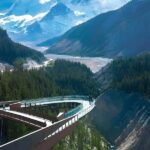
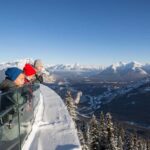
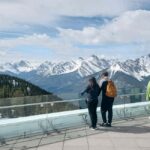
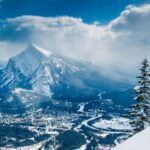
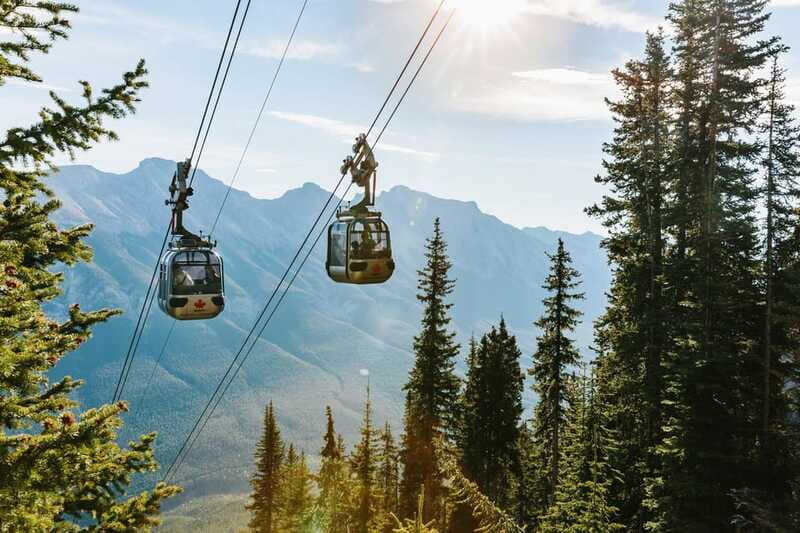
If you pick the gondola, you’ll get a sweeping look over the Canadian Rockies from the Sulphur Mountain summit. It’s the kind of view that makes you forget you ever worried about getting there. You’ll also walk the boardwalk to an observation deck and have time for the interpretive center. This is a great choice if you want one clear “wow” moment early, before the lakes get crowded.
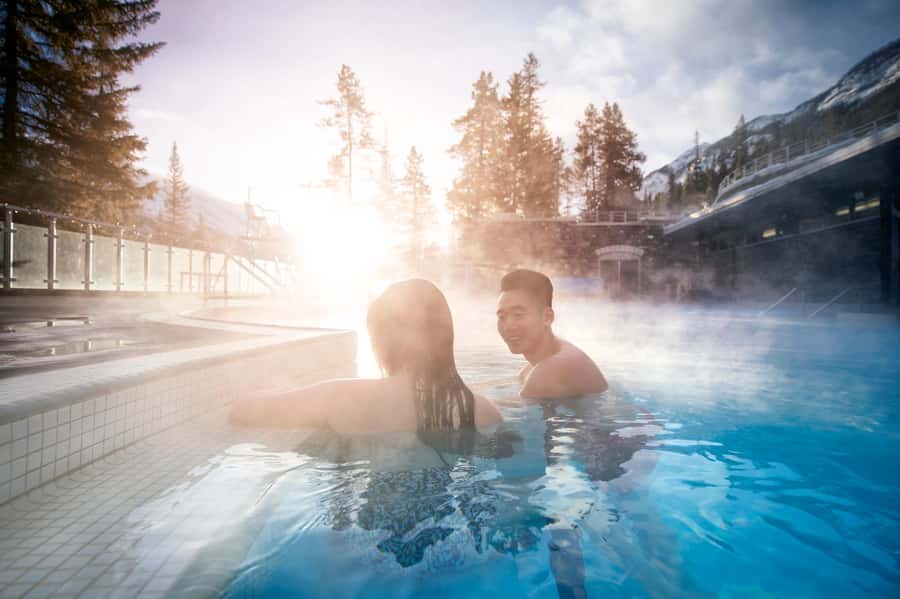
If you pick the hot springs, you’ll unwind in naturally heated mineral water with mountains around you. It’s an easy reset for tired legs—bring a swimsuit and towel, or plan to rent on-site. One important seasonal note: the Banff Upper Hot Springs is closed from September 2 until the end of December for maintenance, and the alternative attraction becomes the Cave and Basin National Historic Site. If your dates fall in that window, expect the morning to shift accordingly.
You can also read our reviews of more tours and experiences in Banff.
How Bow Falls and Surprise Corner fit into the day
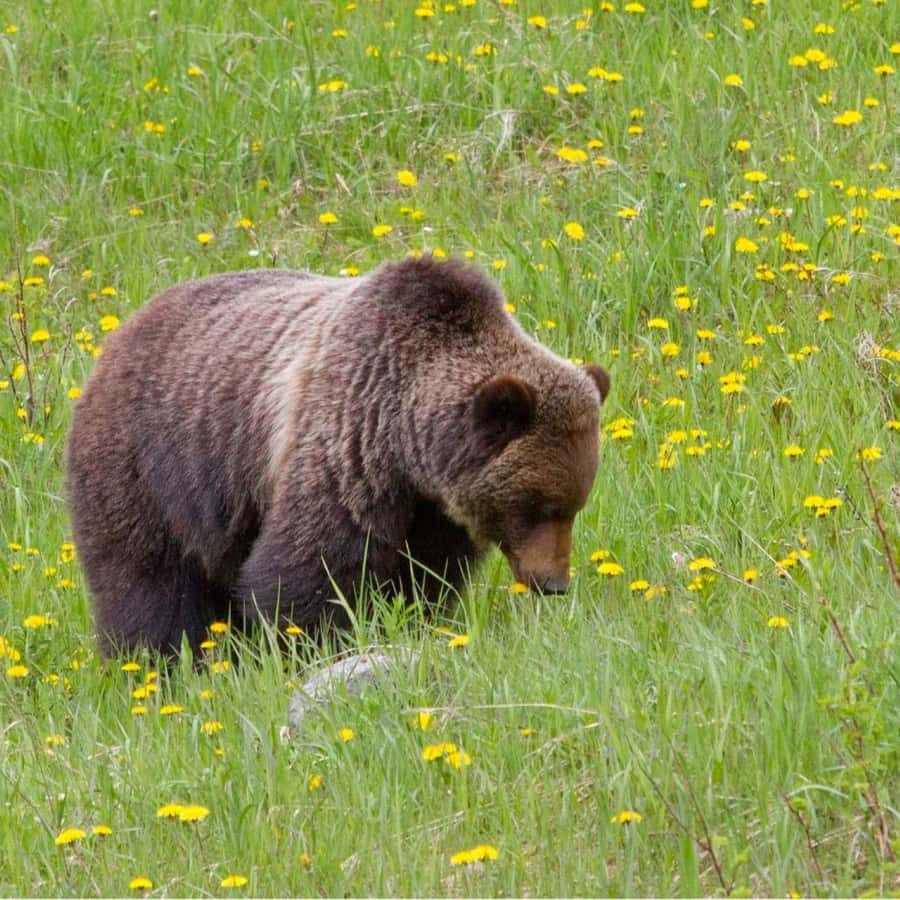
After the morning activity, the tour keeps rolling with two short, high-reward photo stops.
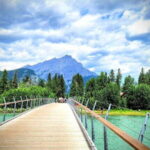
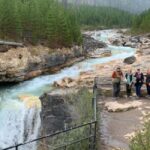
Bow Falls is a calm 15-minute walk near the Banff Springs Hotel. You’re close enough to hear the water before you really see it, and then you get that steady stream-and-ramp look as the river slides through the canyon. It’s a nice break from long drives, and it works well even if the weather is moody.
Next is Surprise Corner, about a 10-minute viewpoint stop. This one gives you an iconic view over the Fairmont Banff Springs Hotel area. It’s quick, but it’s memorable because you’re seeing the hotel in context—mountain setting, river valley, and that classic Banff shape from a perspective most people only catch if they plan it carefully.
Banff Avenue lunch time: your one real reset block
Midday is where you get to be a little selfish—in a good way. You’ll have about 80 minutes for free explore time in Banff town, plus lunch.
This is the part I’m glad exists. The lakes are stunning, but they’re also very “stand still and look.” Banff Avenue gives you variety: shop windows, souvenir runs, coffee stops, and that easy pedestrian vibe that makes the whole area feel human-scale. If you’re traveling with at least one person who wants to browse instead of hike, this section is your peace treaty.
If you chose the gondola add-on, remember there can be time pressure. One of the few schedule frustrations that shows up in the experience is gondola line length reducing how much town time you actually get. You can’t always control that, but it’s smart to go into Banff town with a flexible plan—pick one lunch spot you’d be happy with, not five “maybe” options.
Lake Louise: turquoise shore time (and what to do with it)
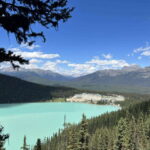
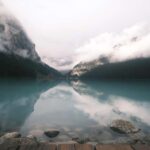
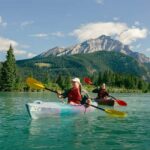
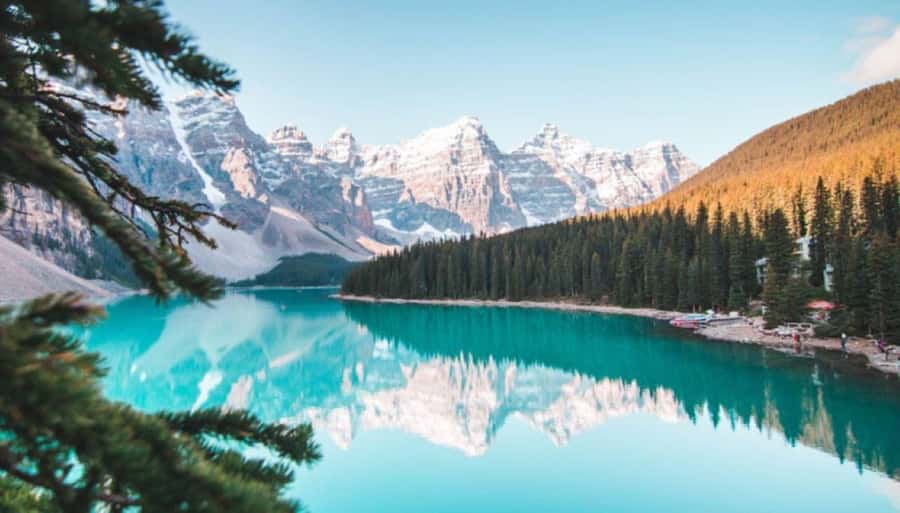
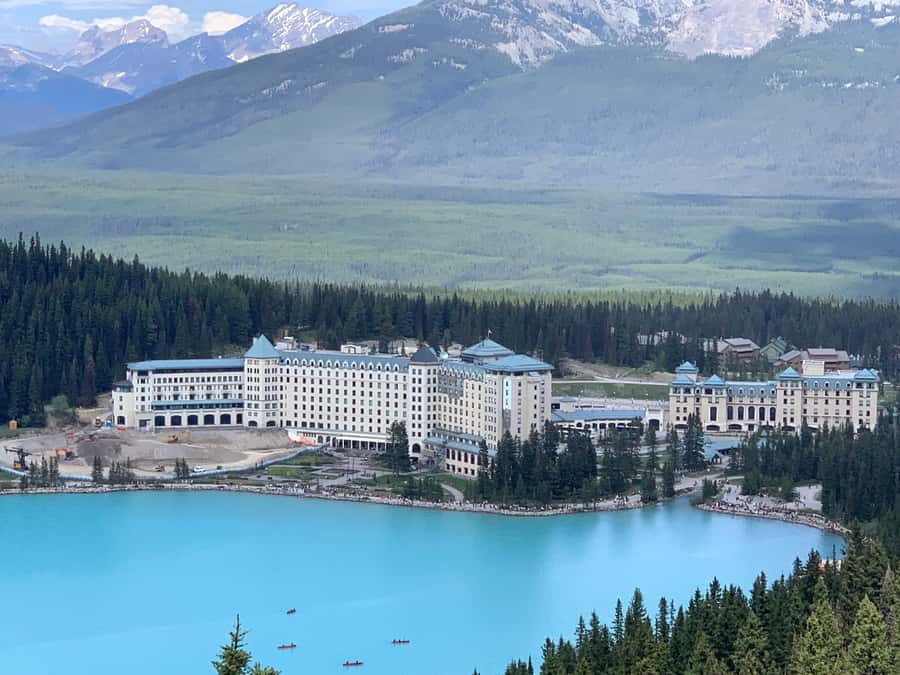
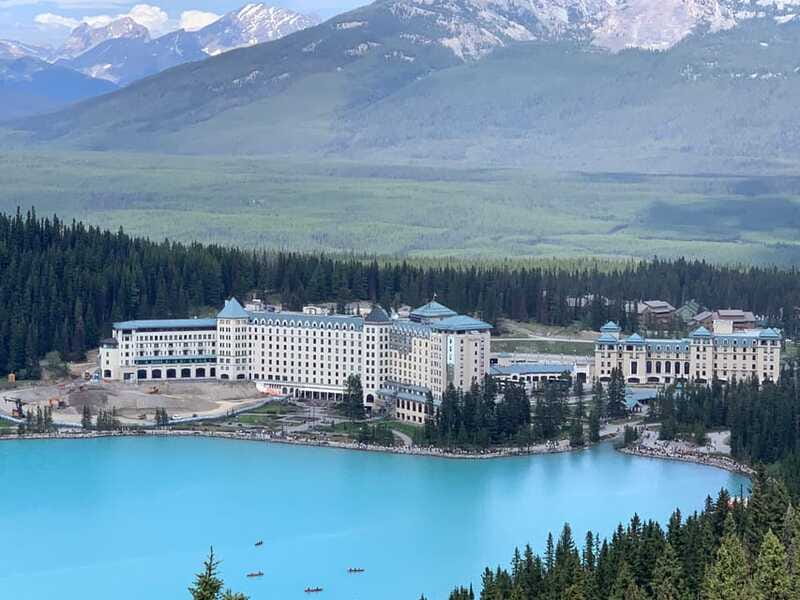
Then you hit the big postcard: Lake Louise. You’ll spend about 50 minutes here, which is short on paper but works if you use it well.
In that hour, aim for two things:
- Take in the main view with the mountains and glacier backdrop.
- Walk the lakeshore trail at least a little so the water changes as you move.
Lake Louise looks different depending on where you stand and how the light hits the surface. You’re not going to complete an all-day hike in this time block, but you’ll get enough walking to feel like you experienced it instead of just standing in one spot.
If you’re sensitive to crowds, go easy at the busiest edge and consider spreading out along the shoreline trail. The goal isn’t to “win” the perfect photo angle—it’s to enjoy the place without fighting people for space.
Moraine Lake in summer, Lake Minnewanka in winter
This is the portion where the tour keeps its promise of maximum scenery, but adjusts to the season.
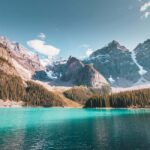
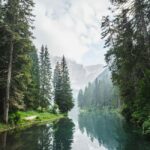
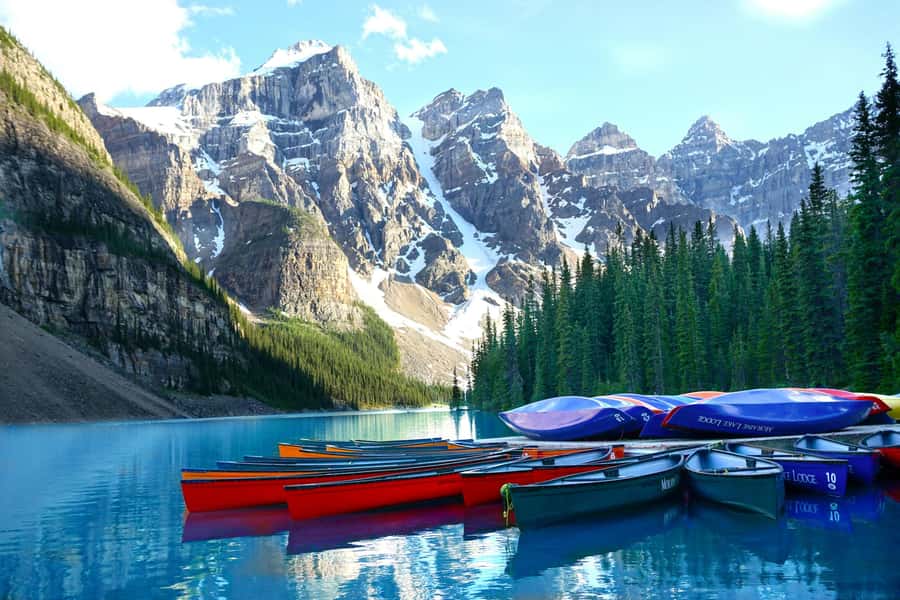
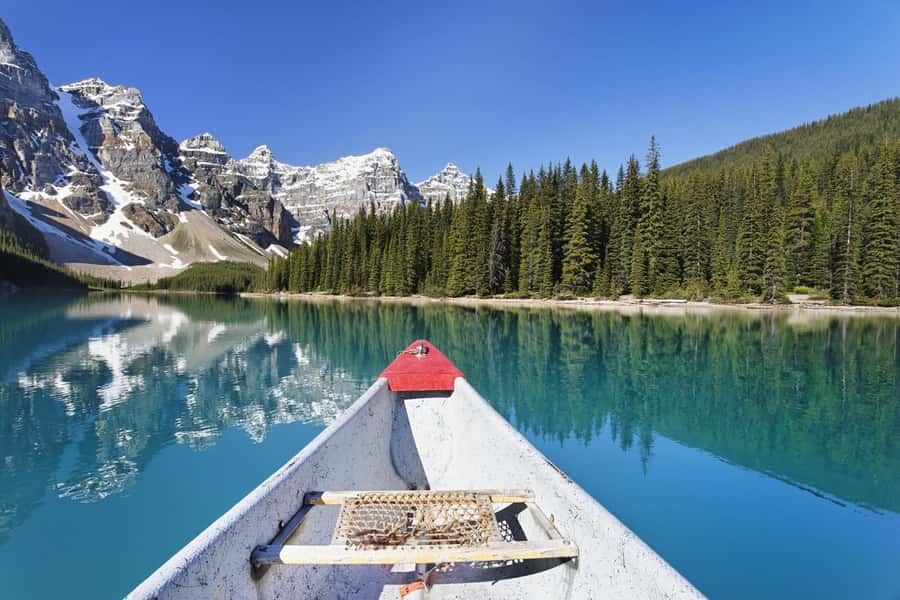
From June 1 to October 13, you visit Moraine Lake for about one hour. Known for its glacially-fed color, Moraine Lake is surrounded by the Valley of the Ten Peaks. You’ll also have time for a short hike up the Rockpile Trail, which is the classic move when you want a panoramic photo view. If you’re comfortable with an uphill push (short but steep-ish in spirit), that Rockpile time is usually the best use of your Moraine minutes.
From October 14 to May 31, Moraine Lake is swapped for Lake Minnewanka, with about 20 minutes instead. I’ll be honest: that’s a much tighter visit. You’ll still get the mountain-and-water feeling, but you’ll have less time to wander. In winter, the day is about getting the best possible views safely, which is why winter adds crampons to the mix.

Winter notes: crampons and trail reality
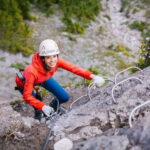
If you’re going in winter, pay attention to footing. You’ll have crampons provided for winter conditions, and you use them at your own responsibility. That small detail matters because the parks can be gorgeous and slick at the same time—ice doesn’t care that you’re on vacation.
In winter months, the goal shifts slightly. You’re still aiming for the big scenic hits, but you’ll move more carefully and accept that some walking will be shorter or more cautious than in summer.
Bow Falls, the lakes, and the Gondola: why the timing works
When you pack Lake Louise, Moraine Lake (or Minnewanka), Bow Falls, Surprise Corner, and a gondola summit (or hot springs) into one day, you’re doing something smart: you’re buying convenience and local routing.
You’re not just paying for the scenic sites. You’re paying for:
- an air-conditioned van that removes the stress of driving and parking,
- a live English-speaking guide who helps you move efficiently,
- and a schedule that gives each stop a clear time window.
That matters in Banff. In peak season, travel time and logistics can turn your day into a string of “almost there.” This kind of structured day keeps the momentum so you spend more time looking at the real stuff.
Price and value: what you really get for about $71
At around $71 per person, the value comes from the combination: transportation + guide + multiple major park icons all in one day.
The “gotcha” is that some of the biggest-ticket experiences are add-ons. The gondola ride, hot springs admission, and Cave and Basin admission aren’t included. That means your final all-in cost depends on which morning option you choose and any tickets you add.
Still, for many first-time visitors, this is one of the simplest ways to experience Banff without spending your day solving logistics. And because the guide is with you, you get practical, route-based suggestions that you can use immediately—especially when you’re trying to fit everything into a single daylight window.
If you’re price-sensitive and you don’t care about gondola or hot springs, it’s worth thinking twice. There’s a review note that the gondola can feel like it costs more than the value if you’re not into that specific add-on. For some people, the lakes alone justify the day; for others, the summit and soak make the trip feel complete.
What’s included vs not included (so there are no surprises)
Included:
- Transportation in an air-conditioned van
- A local guide
- Pickup from designated points in Calgary, Canmore, or Banff
- Crampons provided in winter (use at your own responsibility)
Not included:
- Gondola (reservation required)
- Hot Springs ticket
- Cave and Basin admission
- Meals
- Travel insurance
Also keep in mind: the gondola add-on needs to be bought in advance and is subject to availability. The operator reaches out closer to your departure date to help you get the tickets.
Who this Banff day trip suits best
This tour fits best if you want a classic Banff highlight reel and you’d rather not drive between stops.
You’ll likely enjoy it if you:
- are on a tight schedule and want Lake Louise plus Moraine (or Minnewanka),
- like having a plan but still want free time in Banff town,
- prefer a guide to handle timing and routing,
- don’t mind a moderate pace.
You might want to choose something else if you:
- want a long, slow lake day with lots of hiking time,
- hate the idea of being constrained by timed visits,
- plan to skip the gondola or hot springs and want a more customizable schedule.
Final call: should you book this one-day Banff plan?
I’d book this if you’re visiting Banff for the first time and you want the headline scenery with minimal hassle. The structure is the real win: you get the key viewpoints, a proper Banff town break, and season-ready lake choices (Moraine vs Minnewanka). Add in a guide who can explain what you’re seeing—and the day becomes more than a checklist.
If you’re unsure, decide this way: if gondola summit views or a hot springs soak are “musts” for your trip, this package is a very practical way to make that happen. If you only want one or two stops and you’d rather linger, you may be happier with a slower, more flexible plan built around your favorite lake.
FAQ
How long is the Banff Lake Louise, Moraine Lake, Gondola, Cave & Basin tour?
It’s a 1-day experience, usually available in the morning.
What’s included in the tour price?
The tour includes air-conditioned van transportation, a local guide, and pickup from designated points in Calgary, Canmore, or Banff. Crampons are provided in winter (used at your own responsibility).
What isn’t included?
You’ll pay separately for the Gondola ticket (reservation required) and/or Hot Springs admission. Cave and Basin National Historic Site admission is also not included, plus meals and travel insurance.
When do you visit Moraine Lake, and what happens in winter?
Moraine Lake is visited from June 1 to October 13. From October 14 to May 31, the alternative attraction is Lake Minnewanka.
What if Banff Upper Hot Springs is closed during my travel dates?
Banff Upper Hot Springs is closed from September 2 until the end of December. During that time, the alternative attraction is the Cave and Basin National Historic Site.
Do I need to bring crampons for winter?
No. Crampons are provided in winter, but you use them at your own responsibility.