REVIEW · CHIANG MAI
Chiang Mai: Ethical Elephant Encounter Feeding Program
Book on GetYourGuide →Operated by Elephant Jungle Sanctuary Chiang Mai · Bookable on GetYourGuide
Feeding rescued elephants beats a photo stop. This ethical Chiang Mai Province encounter runs just 1 hour, so you still get a genuine, up-close moment even when you’re short on time. I love that the interaction is gentle and rule-based (no elephant rides), and I love how the guide turns feeding into a real lesson on elephant behavior and social life. The main drawback is also the obvious one: it’s short. If you’re hoping for a long, slow hangout with elephants, you may wish it lasted longer.
I found it’s a smart pick for a half-day plan because it’s focused and simple. You’re meeting at the sanctuary, getting elephant food, and spending most of the hour watching and feeding with clear instruction. Add in the included accident insurance and a free drink per ticket, and the value feels more balanced than many pricier, longer-day experiences.
In This Review
- Key points worth knowing before you go
- Ethical elephant feeding in Chiang Mai: how the 1 hour really feels
- Getting there and meeting at the sanctuary on time
- Your feeding moment: treats, rules, and elephant behavior cues
- What the guide teaches you (and why it sticks)
- Beyond feeding: education rooms, arts-and-crafts, and photo help
- What to bring and wear for Chiang Mai’s heat
- Price and value: why $22 can make sense here
- Small-group chances and when to schedule
- Who should book this elephant encounter, and who should skip it
- Should you book the Chiang Mai ethical elephant feeding program?
- FAQ
- How long is the Chiang Mai ethical elephant feeding program?
- What does the price include?
- Where do I meet, and when should I arrive?
- Is transportation included?
- What should I bring for the sanctuary visit?
- What is not allowed during the experience?
- What languages are available for the tour guide?
- Can I cancel for a full refund?
Key points worth knowing before you go
- Short, focused 1-hour visit that fits busy Chiang Mai days
- Feeding and observing in the sanctuary setting, not an attraction-style setup
- Guide-led info on elephant communication, behavior, and daily care routines
- Gentle interaction rules (touching and feeding are controlled for welfare)
- Extra add-ons can appear in some sessions, like an education room and arts-and-crafts
- Go earlier if you want fewer people around
Ethical elephant feeding in Chiang Mai: how the 1 hour really feels
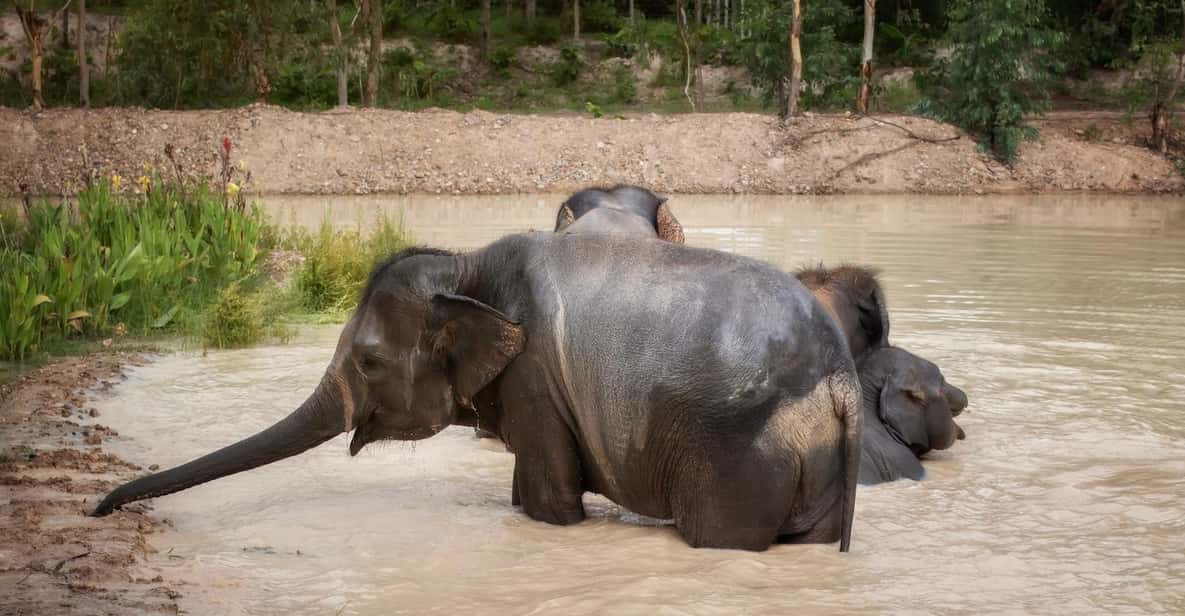
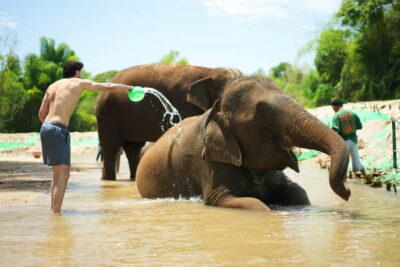
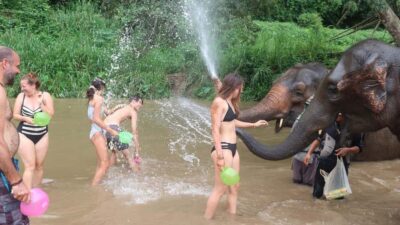
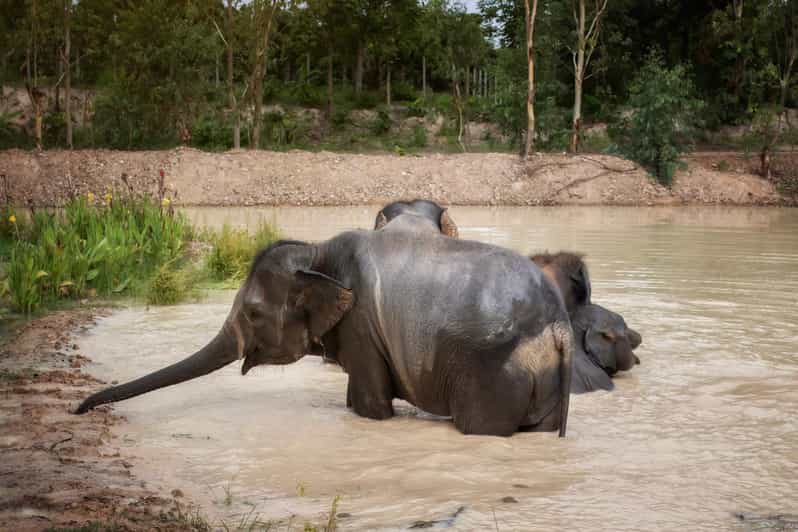
This experience is called a feeding program, but it’s more like guided time with rescued elephants in a sanctuary. You’ll spend about an hour at Elephant Jungle Sanctuary Chiang Mai, part of EJS Chiang Mai, learning and participating in a controlled, caring way. The vibe is calm. You’re not rushed from one staged photo pose to the next.
What makes the short duration work is that it concentrates on what you actually came for: watching the elephants, learning how they behave, and feeding them properly. You’re also not stuck all day in heat and crowds. If you’ve got limited time in Chiang Mai Province, this format is practical.
There’s a built-in tradeoff, though. You might leave wanting a bit more. Several people mentioned wishing it was longer, which makes sense. You get meaningful access, just not hours and hours of it.
You can also read our reviews of more tours and experiences in Chiang Mai.



Getting there and meeting at the sanctuary on time

Your meeting point is straightforward: meet at the sanctuary 10 minutes before the start time. That matters more than you might think. In a short, guided program, arriving late can squeeze your time fast, and you’ll miss the pre-feeding briefing.
Transportation is not included, so you’ll want a plan. Because the sanctuary is a bit remote, you may want to arrange a taxi ahead of time or make sure you have an easy way back. One person noted that booking a return ride took longer than expected, so I’d treat transport as part of the day’s checklist, not an afterthought.
Once you’re there, expect a quick orientation and instructions on how to behave around the elephants. That’s not “fine print.” It’s the difference between a good encounter and a chaotic one.
Your feeding moment: treats, rules, and elephant behavior cues
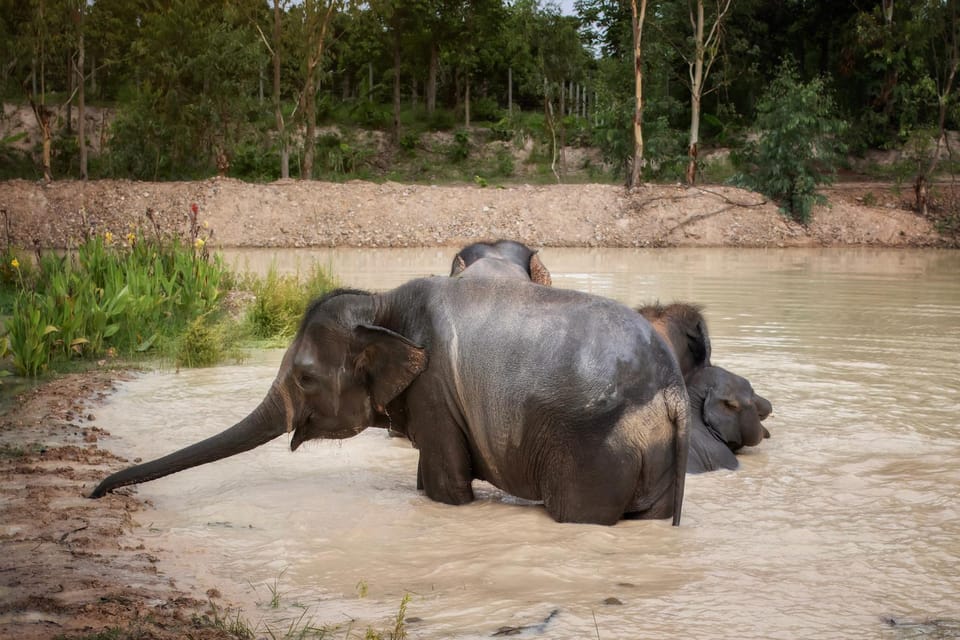
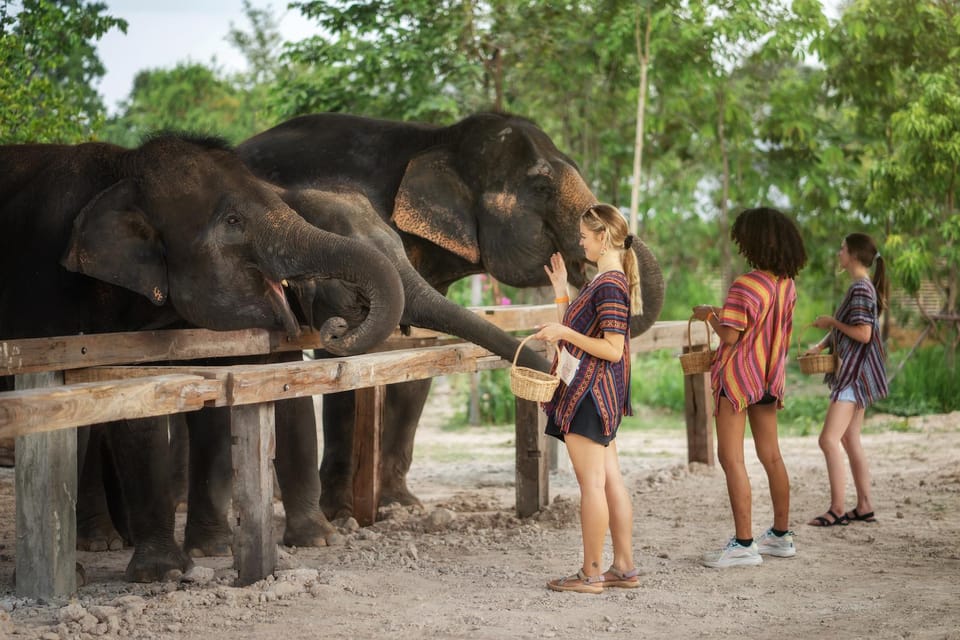
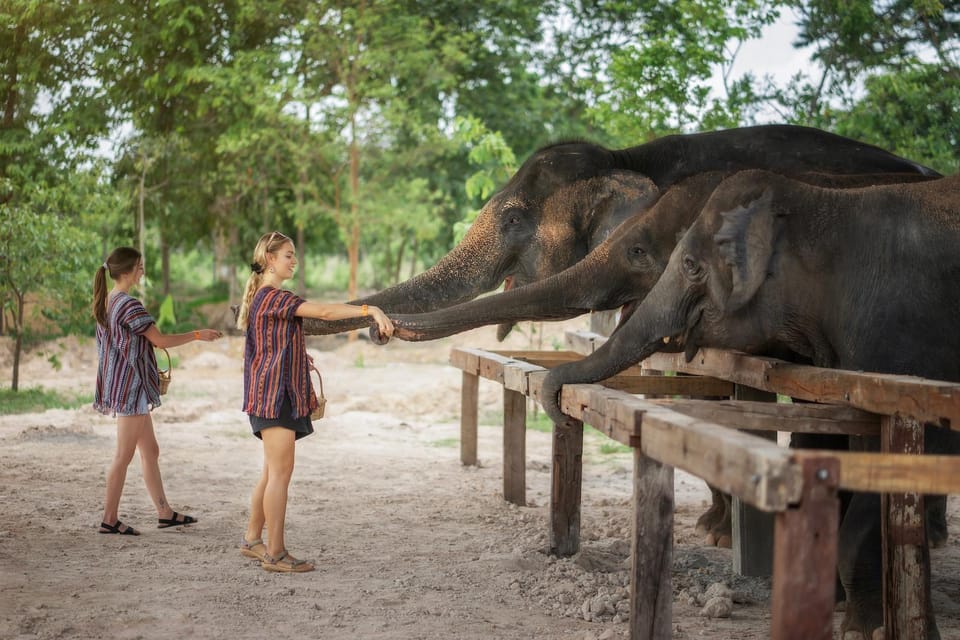
You get elephant food as part of the activity, and feeding is the centerpiece. The sanctuary staff guide you on how to offer food and how close to stay. The goal isn’t to “perform” for the elephants. The goal is to interact safely and respectfully.
You’ll also notice that elephants communicate with more than just big gestures. The guide explains behavior patterns and how communication works, which changes how you see what’s happening in front of you. Instead of thinking only about the moment, you start watching the rhythm: calm interest, social awareness, and the way the herd moves and responds.
Important interaction rules are part of the experience:
- No riding the animals
- No smoking
- And you won’t be allowed to feed animals outside the program’s designated elephant-feeding moment
This is where “ethical” becomes real, not a buzzword. The people running the sanctuary control the pace and contact. You’re not left to guess.
A small practical note: elephants can get warm and settled, like humans do. You may feel like the interaction has a “chill” tempo, with moments of attention and moments of just watching them be themselves. That’s a good thing. It signals the time is meant for the elephants, not for nonstop entertainment.
What the guide teaches you (and why it sticks)
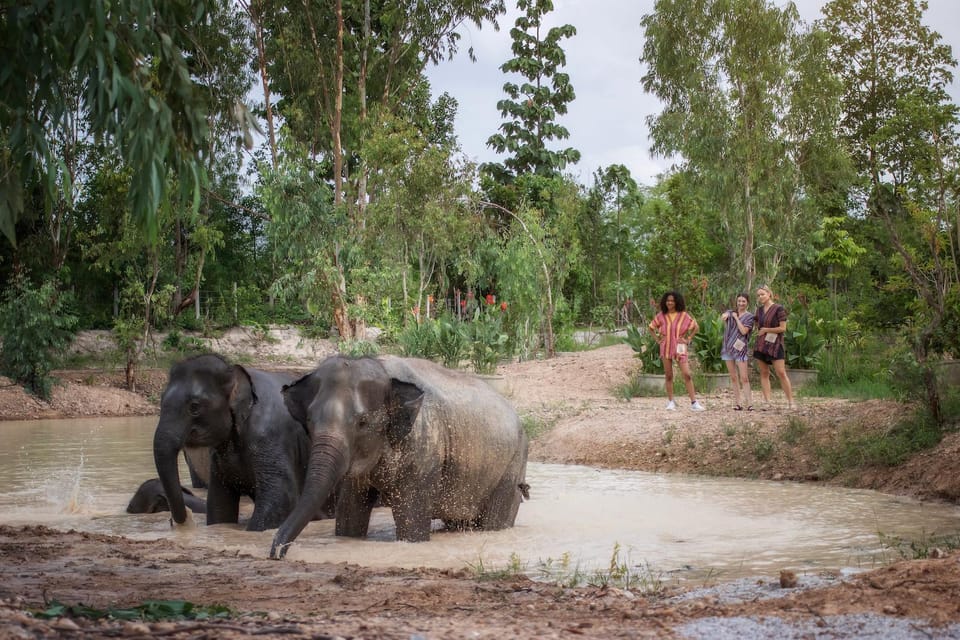
The guide’s job is to make the experience educational without making it feel like a classroom. You’ll learn about the elephants’ behavior, their history, and how they’re cared for, plus fun, practical facts about feeding routines.
A big theme from the experience: elephants are social. When you learn the basics of how they respond to each other and to humans, their actions stop looking random. You’ll start noticing body language and patterns rather than only counting the minutes until you can leave.
You may also hear personal stories from staff. One review described a guide whose father did the job before retiring and who followed that path. That kind of connection helps you understand why the rules matter and why the sanctuary emphasizes welfare.
Also, don’t underestimate the value of a short guide talk. A one-hour program can feel rushed on paper, but the structure helps you get the context fast, so you actually enjoy what you’re seeing.
Beyond feeding: education rooms, arts-and-crafts, and photo help
Some sessions include extra elements that go past feeding. A few people mentioned an elephant education room and arts-and-crafts activities during or right after the main time with the elephants. One common activity was making elephant dung paper or cards. It’s not required for everyone’s idea of fun, but it does connect to how people think about waste and materials in a sanctuary setting.
If you’re the kind of person who likes a nice souvenir that isn’t a plastic trinket, these add-ons can be a bonus. If you’re not into crafts, you can simply treat it as a short extra stop, not the main event.
Photos are another perk. One person said a photographer was available and took pictures for free. That doesn’t mean every slot includes it, but it’s worth asking on arrival or checking your confirmation details so you know what’s possible for your time slot.
There’s also the chance of seeing very young elephants. A few reviews mentioned sightings of a baby elephant (including extremely young calves). That’s not guaranteed, but if a calf is present, it can add a special layer to what you’ll remember.



What to bring and wear for Chiang Mai’s heat

Even though the tour is only an hour, Chiang Mai can still feel intense. The sanctuary experience is outdoors, and you’ll be standing and walking a bit.
Bring:
- a hat
- sunscreen
- water
- comfortable clothes and shoes for walking
- insect repellent
- a camera (you’ll want it)
If you’re thinking, I’ll just wear sandals, consider that you’ll be on your feet. Closed-toe shoes are usually the safer bet for comfort and grip.
Also, come ready to follow instructions closely. The rules about interaction aren’t there to be annoying. They keep the elephants calm and keep you comfortable and safe.
Price and value: why $22 can make sense here
The price is listed at $22 per person for a 1-hour experience. On its face, that’s not “budget,” but here’s where the value argument holds up.
You’re getting:
- elephant food included
- an accident insurance component included
- a free drink per ticket
You’re also not paying for a full day of programming. That matters in Chiang Mai, where you might want to split your time across temples, markets, or a night out. This program gives you a meaningful elephant encounter without taking over your entire day.
Transportation and meals are not included, though. So your real cost depends on how you get there and how you handle food afterward. If you’re staying close and can manage an efficient return ride, the overall deal feels stronger. If you’re farther out and need extra taxi time, it can add friction.
Small-group chances and when to schedule
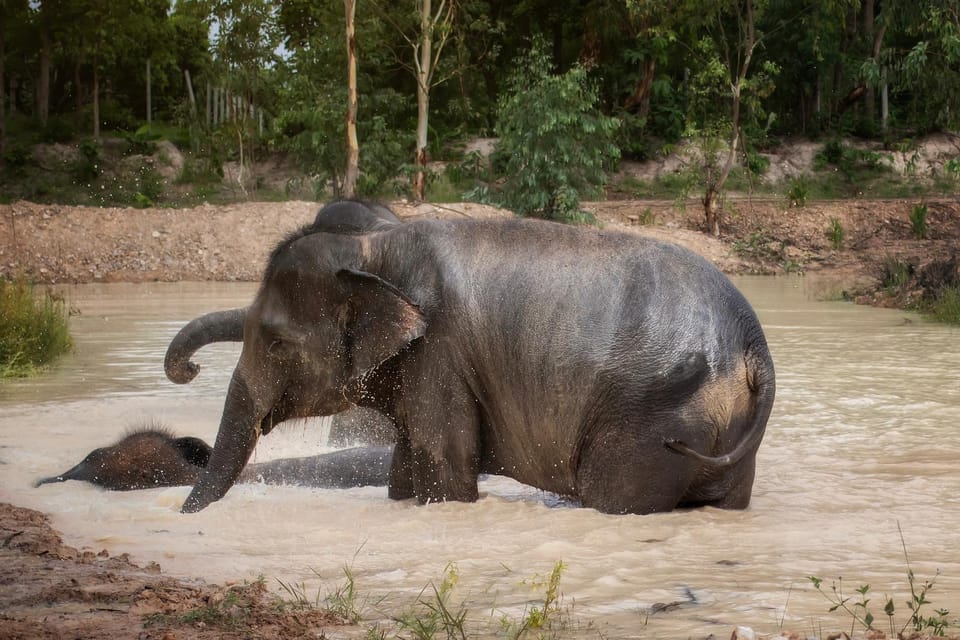
One of the biggest practical upsides mentioned in the experience: smaller groups can happen, especially in earlier time slots and lower season. People described doing the tour with only one other person, which makes the elephant feeding time feel more personal.
If you want fewer bodies around, consider going earlier in the morning. It’s not just about comfort. It also makes the sanctuary atmosphere easier to enjoy.
That said, don’t treat “small group” as guaranteed. The sanctuary runs time slots, and attendance can vary. The best plan is to pick a start time that fits your schedule and arrive early so you’re not rushed.
Who should book this elephant encounter, and who should skip it
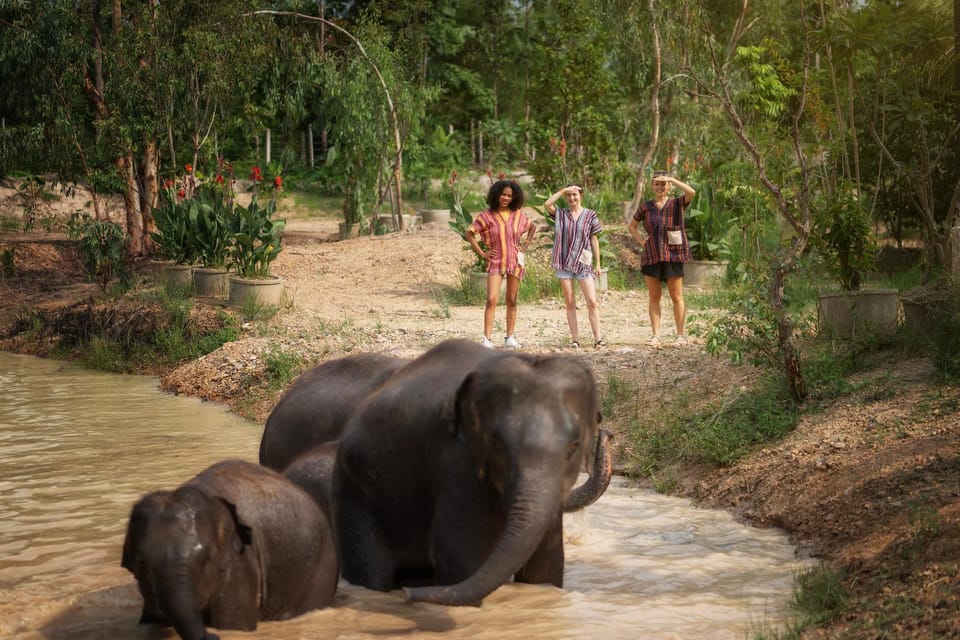
This program is a great fit if:
- you want an ethical elephant experience and not a ride or performance
- you’re short on time and still want feeding and education
- you like guided rules and structured interaction
- you want a calm, sanctuary-style visit rather than an all-day tour
You might want to skip or adjust expectations if:
- you want a longer, slower elephant-only day
- you hate heat and standing (even for an hour)
- you’re not comfortable managing remote transport timing
One more fit question: are you okay with learning basics and following strict welfare guidelines? If yes, you’ll likely leave feeling like you “got it,” not like you rushed through a novelty activity.
Should you book the Chiang Mai ethical elephant feeding program?
If your goal is a short, responsible elephant encounter in Chiang Mai Province, I’d book this. The value is helped by what’s included: elephant food, a free drink, and accident insurance, plus a guided experience that focuses on behavior and care rather than rides. The best reason to choose it is the format: you get close-up interaction in a short window, which makes it easier to do well and still enjoy the rest of your Chiang Mai trip.
My advice is simple: pick a time slot that matches your energy (earlier can mean fewer people), wear sun protection, and treat the rules like part of the experience, not obstacles. Do that, and this turns from an attraction into a meaningful hour.
FAQ
How long is the Chiang Mai ethical elephant feeding program?
The program runs for 1 hour.
What does the price include?
It includes accident insurance, elephant food, and a free drink per 1 ticket.
Where do I meet, and when should I arrive?
You should meet at the sanctuary 10 minutes before the start time.
Is transportation included?
No. Transportation to and from the activity is not included.
What should I bring for the sanctuary visit?
Bring a hat, sunscreen, water, comfortable clothes, insect repellent, and a camera.
What is not allowed during the experience?
Smoking is not allowed, and you’re also not allowed to ride the animals or feed animals outside the program’s rules.
What languages are available for the tour guide?
The live tour guide speaks English and Thai.
Can I cancel for a full refund?
Yes. Free cancellation is offered if you cancel up to 24 hours in advance.