REVIEW · CHIANG MAI
Chiang Mai: Kayak the Jungle River of Chiang Dao Valley!
Book on GetYourGuide →Operated by CHIANG MAI MOUNTAIN BIKING & KAYAKS · Bookable on GetYourGuide
Jungle kayaking in the shadow of Chiang Dao. You’ll paddle the Ping River system through flooded forest edges, where tree branches and bamboo crowd over the water in a way city life never does. It’s a no-nonsense chance to get off the main tourist lanes and spend real time with Northern Thai scenery and the people who live close to it.
Two things I really like: first, the guiding. When you’re new (or you make plenty of little “oops” moments), the instruction stays patient and hands-on. Second, the paddle itself feels varied. You’re not just floating—you’re threading narrow stretches, ducking under brush, and working through the river’s shape with your guide beside you.
One thing to consider: you’ll likely need to get out of the water to pass weirs, and that part can be awkward. On one run, a rider mentioned muddy footing and sharp stones when stepping out for the kayak transfer, so bring a little humility and good water-shoes if you have them.
In This Review
- Key points worth knowing before you go
- Kayaking Chiang Dao Valley: what the water trip is really like
- Price and value: why $64 makes sense here
- Getting there from Chiang Mai and Chiang Dao: pickup rhythm
- The pro-shop briefing: where you learn fast
- Stop 1 in Chiang Dao: break, sights, and a final safety check
- The jungle creeks and flooded forest edges
- Passing the weirs: the awkward part you should plan for
- The return paddle: Ping River scenery, birds, and farm fields
- Lunch at Mango Plantation Restaurant: practical refuel
- Transportation and the support truck: comfort with a safety net
- What you learn as a beginner (and why it sticks)
- What to bring so the day stays fun
- Who should book this trip? (and who should choose something else)
- Should you book this Chiang Dao jungle kayak tour?
- FAQ
- Where are the pickup options for this kayaking trip?
- Do I need kayaking experience?
- How big is the group?
- What kind of kayaks are provided?
- Is lunch included, and can I get vegetarian or vegan food?
- What fees are not included?
- What should I bring with me?
Key points worth knowing before you go
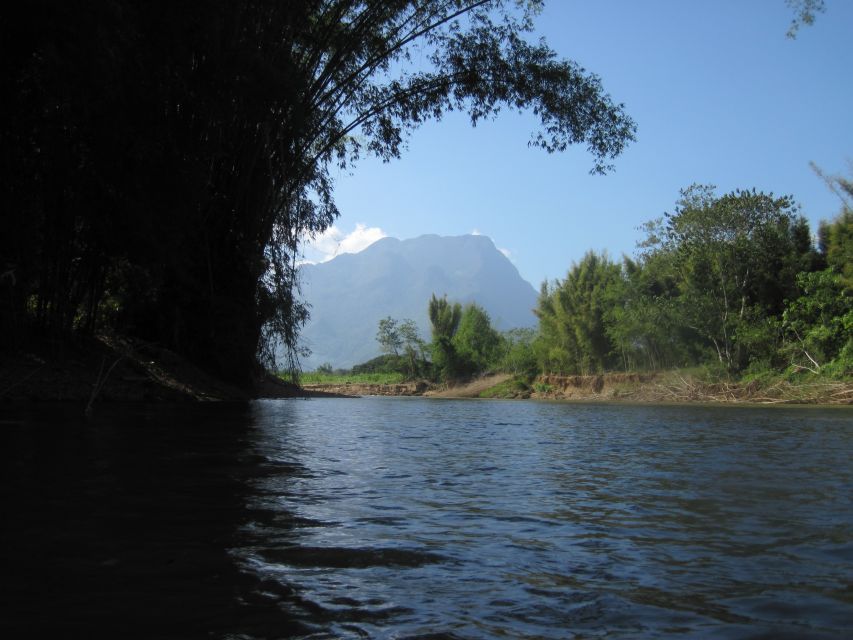
- Small group, max 10 people, which keeps the pace calm and the coaching personal.
- Hard-shell single and double kayaks, so you’re not stuck with flimsy seats when you start learning control.
- Certified first aid and CPR with a support truck following along for backup.
- Google Earth orientation + kayak briefing before you hit the river so you know what you’re doing.
- Expect two weirs where you may need short kayak transfers on land.
- Lunch includes vegan and vegetarian options at Mango Plantation Restaurant.
Kayaking Chiang Dao Valley: what the water trip is really like
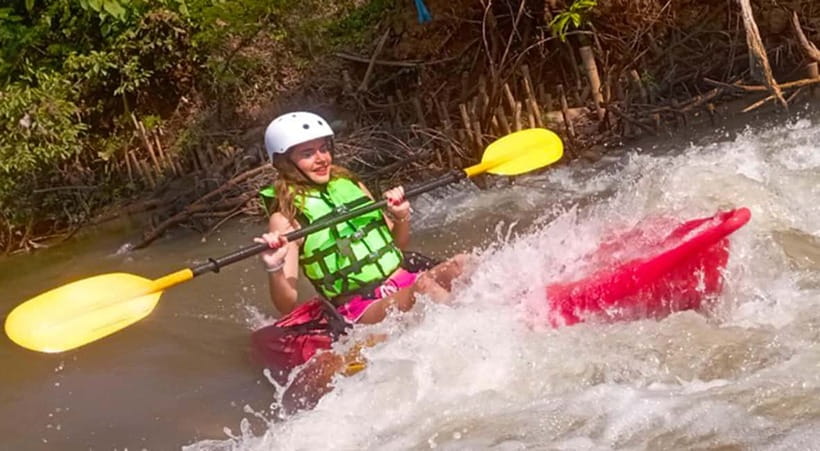
This tour is built around the Chiang Dao side of northern Thailand. The river route puts you in the Chiang Dao mountain backdrop, then shifts into jungle-creek paddling and farm-country views along the way. The day doesn’t feel like a big production line. It feels like you’re borrowing the local river for a few hours, then giving it back.
On the water, you’ll move through tight scenery: thick plants growing close to the surface, branches that can lean low, and bamboo that makes the river feel like a living tunnel. In plain terms, you’ll get wet. You’ll also practice basic kayak control in a real environment—turning, keeping balance, and following your instructor’s cues—without anyone rushing you.
Because your guide is right there, you’re not guessing. One rider specifically said instruction was strong enough that even with little experience, they still felt in good hands. That’s the difference between a “try it once” trip and a day that actually teaches you how to enjoy the river.
You can also read our reviews of more tours and experiences in Chiang Mai.



Price and value: why $64 makes sense here
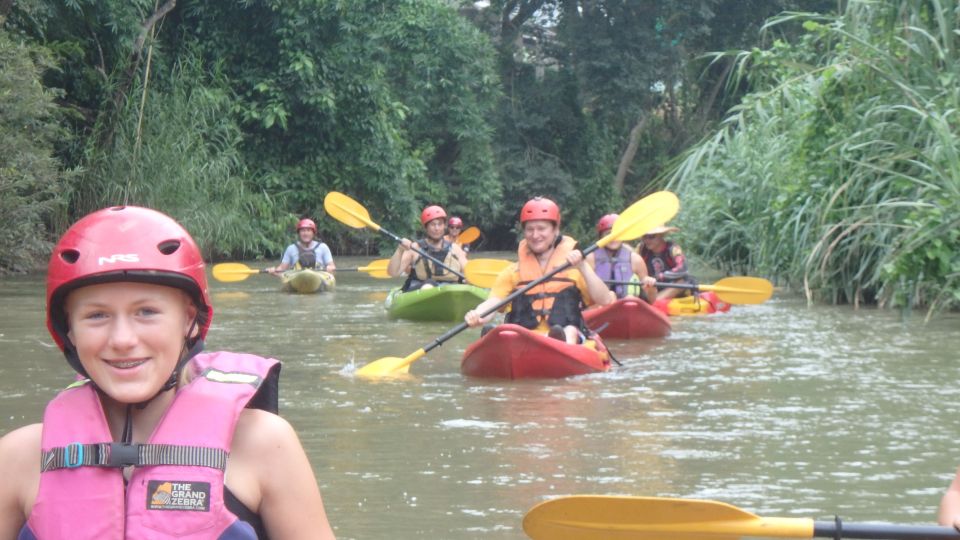
$64 for a one-day paddle tour in a small group is pretty fair when you look at what you’re getting, not just the word kayaking. You’re not simply being handed a boat. The day includes:
- A guided escort from pro kayaking instructors
- First aid and CPR coverage
- Hard-shell single and double kayaks
- A support truck following behind with secure storage for valuables
- Transportation by air-conditioned van (and 4×4 SUVs for smaller groups)
- Water throughout the trip
- Lunch with vegetarian and vegan options at Mango Plantation Restaurant
If you’ve ever paid for tours that feel light on actual instruction, this is the opposite. You get a pre-river briefing, then coaching as you paddle. That’s value, especially if you’re new and don’t want to spend your first day worrying you’re doing everything wrong.
There’s also a small extra cost to plan for: the river fee is 150 THB, and you’ll be asked for your passport number at check-in. So your real budget includes that, plus whatever you spend on snacks or drinks beyond what’s provided.
Getting there from Chiang Mai and Chiang Dao: pickup rhythm
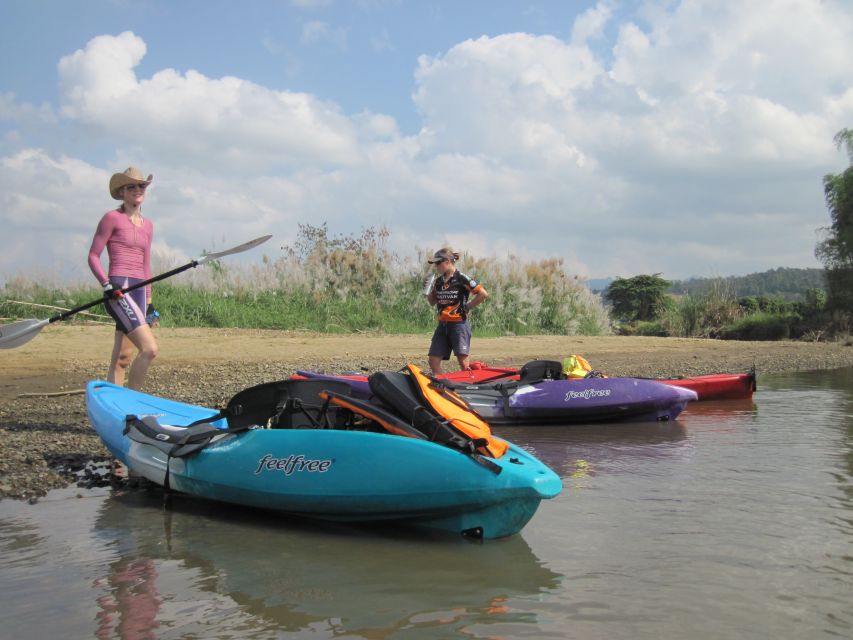
The tour gives you two pickup options: either Chiang Dao or Chiang Mai. If you’re staying in the Chiang Dao area, you’ll want to contact the operator so they can confirm the exact pickup time, estimated between 10:30 and 11:15.
Once you’re collected, you’ll transfer by jeep/SUV and van. The itinerary timing suggests:
- Short transfers and vehicle time to reach the starting area
- A pre-river safety briefing
- Then a longer drive segment, followed by a break and sightseeing time once you’re near Chiang Dao
One practical note from a rider: the ride from Chiang Mai can feel long, and in their case it included traveling on the vehicle platform at higher speed. That may be normal in some local setups. If you’re sensitive to bumpy travel or speed, it’s worth mentally preparing for a ride that’s more “adventure transportation” than smooth hotel transfer.
The pro-shop briefing: where you learn fast
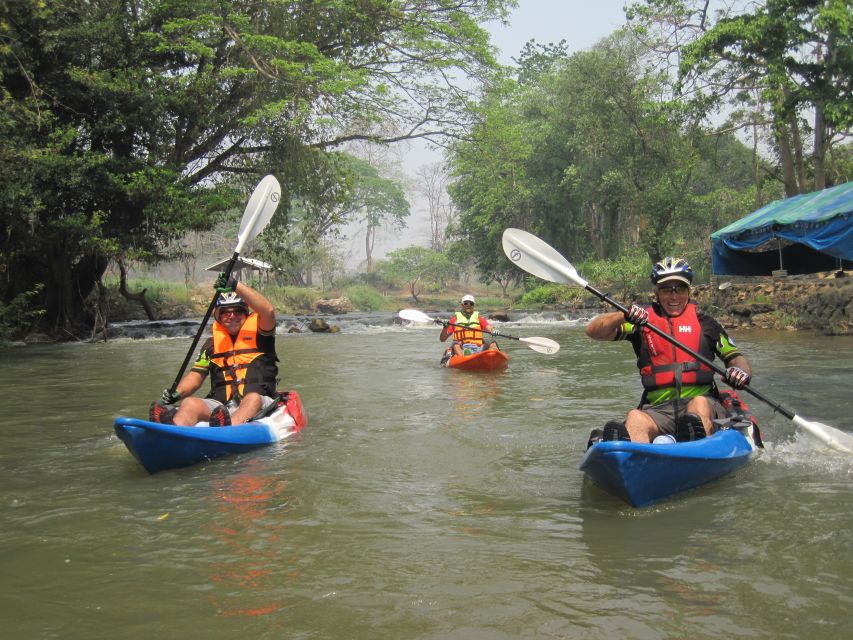
Before paddling, you’ll stop at the pro-shop area for orientation and a kayak briefing. This isn’t just rules on a clipboard. You get a Google Earth orientation, which is surprisingly helpful. It gives you a mental map of what the route might look like and where you’ll be spending your time.
Then comes safety briefing and skill basics—enough to help you understand how to handle the kayak and how to respond when your guide calls for action. You’re also told the key idea: you’re the captain of your own boat.
That matters for beginners. Instead of thinking you’re being dragged down the river by someone else, you learn how to steer and react. You’ll still follow your guide closely, but your hands and your choices are part of the experience.
Stop 1 in Chiang Dao: break, sights, and a final safety check
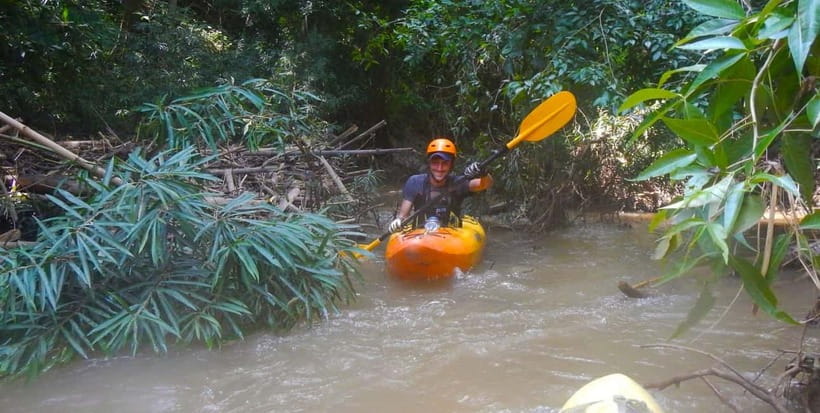
After the drive, there’s a break time and a sightseeing window around Chiang Dao. This is where the day shifts from “getting there” to “you’re actually doing it.”
You’ll likely get another safety briefing before the first real paddle stretch. That repeat step is good. River conditions can change, and getting everyone on the same page before entering the busiest parts of the route reduces stress. You also get a chance to take in scenic views on the way, which can make the start of the day feel less rushed.
If you’re the kind of person who likes warm-up time, this stop helps. It also gives you a moment to confirm you’re comfortable with your gear and your role as captain.



The jungle creeks and flooded forest edges
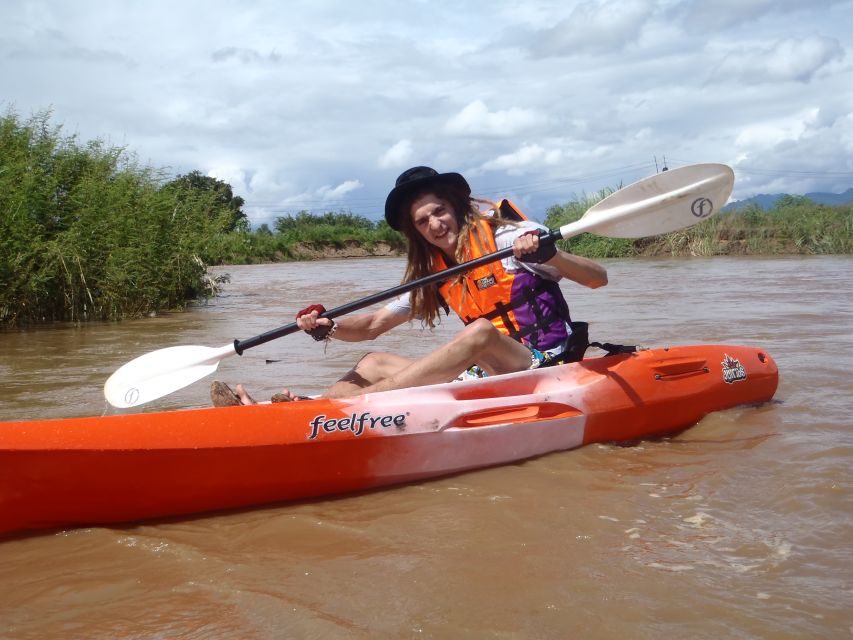
This is the heart of why people book this trip. You’ll paddle narrow creek sections and flooded forest areas where thick trees and plants reach over the water. Expect to duck under branches and glide near bamboo that can feel very close to your kayak.
This is where you’ll also see the river as an ecosystem, not a track. Your guide points things out—birds and wildlife hidden in the trees—and you’ll hear local stories tied to hunters and fishermen who know the area.
For me, this is the most “real” part of the excursion. You’re moving through the kind of place that doesn’t show up in photos easily, because it’s not one big viewpoint. It’s layered: branches overhead, water near your feet, and movement everywhere in the leaves.
Beginner tip: don’t treat it like a workout. Treat it like a guided lesson. Keep your eyes on your guide’s cues and let your kayak habits develop as you go.
Passing the weirs: the awkward part you should plan for
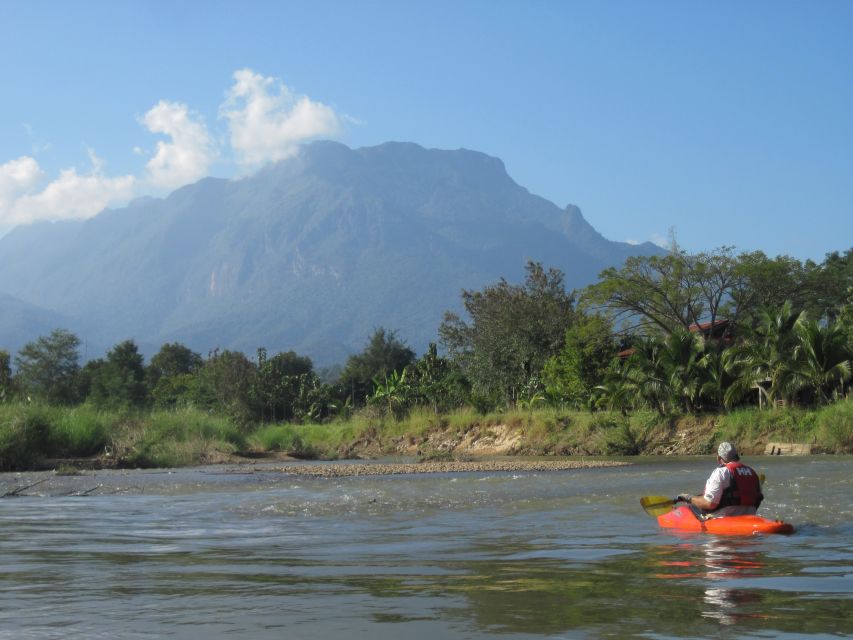
No one loves the “get out and move” portion of kayaking. But here, it comes with the territory. Riders have reported having to get out of the river twice to pass two weirs.
The good news: the guides handle the tough part. In one case, they did the boat dragging, which would likely be hard if you’re new. Still, you may need to step onto land for short moments, and one rider mentioned muddy ground and sharp stones during the second transfer, injuring a foot.
What this means for you:
- Wear footwear that can handle slick surfaces.
- Bring the mindset that your feet will touch riverbank terrain at least briefly.
- If you’re worried about slips, slow down and follow your guide’s instructions exactly.
The return paddle: Ping River scenery, birds, and farm fields
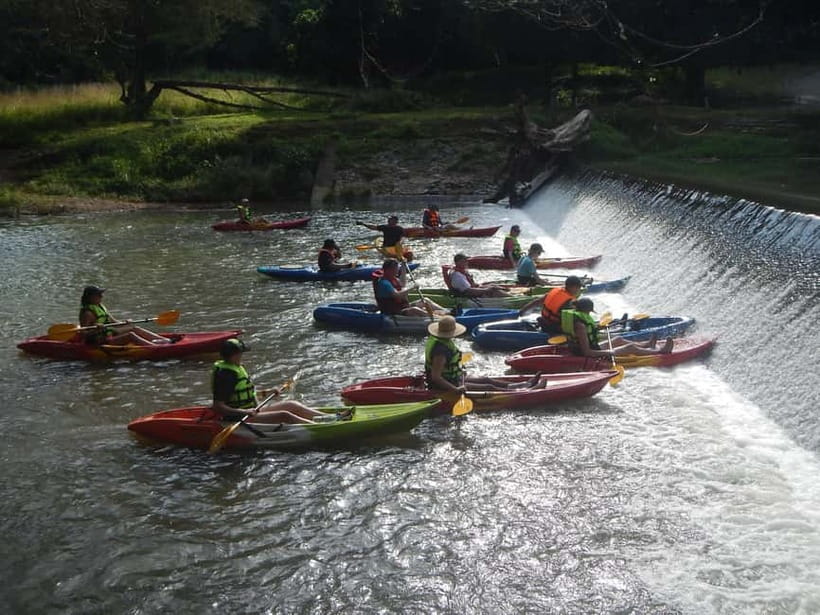
After the jungle-heavy parts, the tour shifts in feel. You’ll paddle through scenery that blends jungle edges with farm land. That change matters because it helps you come down from the intensity of the tight-creek sections.
This is where your kayak control improves naturally. With fewer surprises overhead, you can focus more on smooth paddling and your timing with the group. Since the group stays small, you can keep a calmer spacing instead of fighting crowds.
You’ll continue watching for birds and wildlife. Even if you don’t spot everything, the act of moving slowly and consistently gives you more chances than a quick stop-and-go photo session.
Lunch at Mango Plantation Restaurant: practical refuel
After the main paddle segments, the day includes lunch—30 minutes—at Mango Plantation Restaurant, with vegetarian and vegan options available.
One detail worth noting: a rider described the food as simple and said it came at the end. Simple can be fine here. You’re not touring for gourmet dining—you’re booking a water day. Still, if you get hungry easily, it might feel like you’re waiting for the main meal after the paddle effort.
Pack a small amount of patience. Lunch is a reset: hydrate, eat, and loosen up before the final transport back.
Transportation and the support truck: comfort with a safety net
Safety in the jungle doesn’t just mean a first aid kit. This tour adds layers:
- Instructors are certified in first aid and CPR
- A support truck follows during the activity
- The support vehicle includes secure storage for your valuables
- Water is provided for hydration packs and bottled water
That means you’re not dealing with every small worry. You don’t need to carry all your valuables on your body for hours. You also get water access when you need it, which matters in Thailand’s heat.
Transport is also set up to keep the ride manageable: an air-conditioned van is the primary mode, with 4×4 SUVs for smaller groups. Just remember the earlier note: some riders have experienced longer rides that felt more intense than a standard transfer.
What you learn as a beginner (and why it sticks)
You don’t need experience. The trip is designed for people who want to try kayaking with real coaching. And the coaching isn’t just technical—it’s behavioral.
A rider shared that their instructor, Aidan, tailored the trip for them and guided them through their mistakes patiently. That kind of support changes everything. Instead of being afraid of doing it wrong, you get feedback and then you improve.
You’ll likely practice:
- Turning and steering your kayak with control
- Managing balance while moving through tight water and under-branch sections
- Following commands during weir passes
- Staying calm when you get slowed or redirected by the river
Even if you don’t become a confident kayaker by day’s end, you’ll leave with better habits. That’s valuable if you plan to paddle again later in Thailand or at home.
What to bring so the day stays fun
You’ll want to pack for getting wet and staying comfortable. The tour asks you to bring:
- A change of clothes
- A hat
- Sunscreen
- Insect repellent
I’d add one practical mindset: treat this like a day where your clothes and shoes can get ruined. Bring gear you can live without. Also, since you may step out at weirs, footwear that grips and drains is your friend.
If you’re carrying a phone or camera, a waterproof pouch or dry bag can be a smart extra. The tour provides secure storage in the support truck, but having your own waterproof handling makes the river feel less stressful.
Who should book this trip? (and who should choose something else)
This is a great match if you:
- Want a small group adventure instead of a crowd scene
- Are a beginner or intermediate and want instruction
- Like nature days where you’re actually moving through it, not just looking from land
- Want a Northern Thailand experience that feels connected to local life and the river’s working rhythm
You might want to think twice if you:
- Have trouble stepping on muddy, rocky riverbanks during weir passes
- Are very uncomfortable with longer transport segments out of Chiang Mai
- Prefer a trip with minimal transfers on land
The good news is that guides actively help, and the group stays small. Still, your feet should be ready for short, uneven moments.
Should you book this Chiang Dao jungle kayak tour?
If you want the kind of day where you paddle in real jungle-creek conditions and come away with new skills, I think this is a solid booking. The value isn’t only in the river time. It’s in the instruction, the safety setup, and the fact that you’re riding in hard-shell kayaks with a pro escort.
The main downside is also clear: weirs mean you might exit the water and deal with land footing. If you show up prepared—with the right footwear, a change of clothes, and a flexible attitude—you can turn that into a minor bump in an otherwise excellent day.
One last practical nudge: plan for the extra 150 THB river fee and bring the passport details they request at check-in. If you like flexibility, the booking includes free cancellation up to 24 hours in advance and a reserve-and-pay-later option.
If your goal is authentic nature time with hands-on coaching, this trip fits.
FAQ
Where are the pickup options for this kayaking trip?
You can choose pickup from either Chiang Dao or Chiang Mai. If you’re staying in the Chiang Dao area, contact the operator to get the exact pickup time, estimated between 10:30 and 11:15.
Do I need kayaking experience?
No. The tour is described as suitable with no experience needed, and you’ll get guided instruction and coaching on the water.
How big is the group?
The group is small, limited to a maximum of 10 participants.
What kind of kayaks are provided?
You get hard-shell single and double kayaks.
Is lunch included, and can I get vegetarian or vegan food?
Yes. Lunch is included, and vegetarian and vegan options are available at Mango Plantation Restaurant.
What fees are not included?
The river fee of 150 THB is not included, and you’ll need to provide your passport number at check-in.
What should I bring with me?
Bring a change of clothes, a hat, sunscreen, and insect repellent.