REVIEW · CHIANG MAI
Chiang Mai: Elephant Sanctuary & Bamboo Rafting
Book on GetYourGuide →Operated by Living Green Elephant Sanctuary Chiang Mai and Chonburi · Bookable on GetYourGuide
Elephants and rafting in one day feels unreal. I love the elephant sanctuary approach to animal welfare, and I love the bamboo rafting on the Wang River. Just know you’ll likely get wet, and the elephant river bath can be skipped if it’s too cold for them.
Our day ran with tour guide Jon and driver Mr Bang Bang, plus a warm welcome at the sanctuary that includes traditional northern clothing. You get a full slice of northern Thailand—mountain rivers, rice and corn fields—before the day turns into gentle elephant time and a peaceful river ride.
This is a long 10-hour outing with a lot of moving around, so it’s not the best fit if you have mobility limits, back problems, are pregnant, or you’re traveling with kids under 8.
In This Review
- Key highlights to know before you go
- Elephant time that feels more respectful than performative
- What the sanctuary’s welfare rules mean for your day
- The morning drive: countryside first, elephants second
- Arrival and traditional clothing: a quick, fun reset
- 10:45–12:00: meet the elephants, feed and walk (with welfare boundaries)
- Lunch to recharge: local food that doesn’t slow you down
- Bamboo rafting on the Wang River: calm water, wet clothes
- Second elephant round: walking to the river and the bath option
- Timing and transfers: why the day feels long but manageable
- What to pack for getting wet and staying comfortable
- Who should book this (and who should skip it)
- Is it worth around $50 per person?
- Should you book this Chiang Mai elephant sanctuary & bamboo rafting day trip?
- FAQ
- How long is the Chiang Mai elephant sanctuary and bamboo rafting tour?
- What’s included in the price?
- What should I bring for this day trip?
- Will I be able to bathe the elephants in the river?
- Is feeding elephants allowed during the tour?
- Is this tour suitable for children?
- Is it suitable for pregnant women or people with mobility or back problems?
Key highlights to know before you go
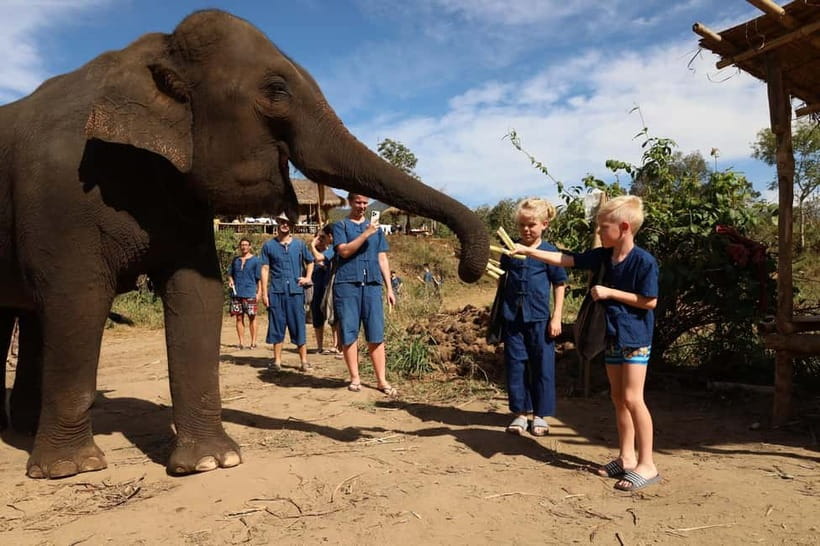
- An elephant sanctuary day that prioritizes welfare over photo tricks, with no forcing of behaviors
- A jungle walk and close interaction in the elephants’ natural habitat
- Bamboo rafting with a river guide—yes, you’ll get wet on the raft
- River bathing depends on comfort and weather (too cold can mean no bath)
- Lunch is included, and tofu pad Thai with fresh fruit is a common hit
- Traditional northern clothing is provided for the sanctuary visit
Elephant time that feels more respectful than performative
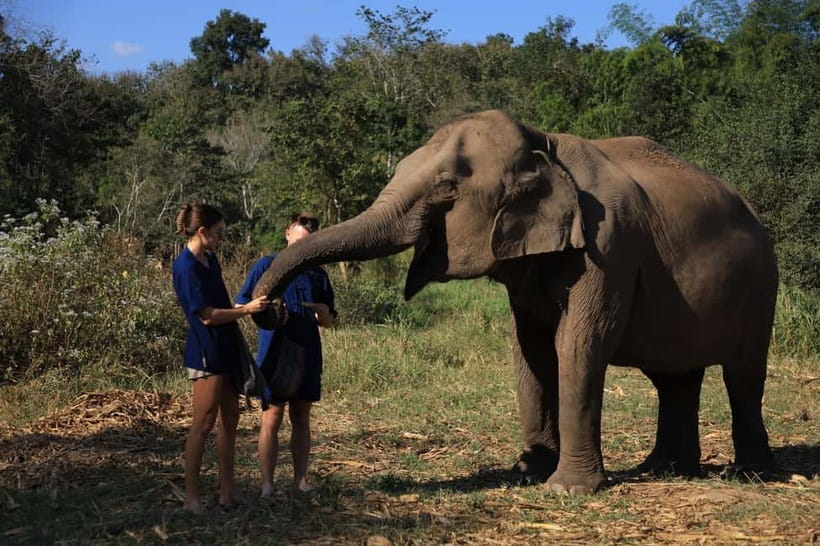
You’re coming to Chiang Mai for elephants, sure. But what makes this outing better than the usual elephant tourism circuit is the clear welfare-first style. The day is set up around natural behaviors—feeding and interaction happen in a habitat setting, and the sanctuary runs routines meant to keep elephants comfortable and calm.
Even if you’re totally new to this kind of animal experience, you’ll feel the difference in how the day is paced. It isn’t frantic. You’re not rushing from trick to trick. Instead, you spend real time watching how elephants move, rest, and respond to people who understand that elephants aren’t props.
One important note: the rules for the experience say feeding animals isn’t allowed. That may sound like it clashes with the idea of feeding during the day, but the practical takeaway for you is simple: during your briefing, follow the staff’s instructions exactly. If there is any hands-on feeding component, you’ll do what they permit—no improvising, no grabbing snacks, and no trying to be clever.
You can also read our reviews of more tours and experiences in Chiang Mai.


What the sanctuary’s welfare rules mean for your day
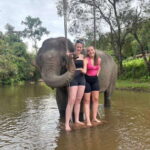
The sanctuary is explicit about animal welfare. There’s also a stated policy that they don’t force elephants into behaviors, especially around river bathing. If the weather is too cold and the elephants don’t want to get into the river, they won’t force it.
That matters because it changes how you should think about your expectations. You’re not buying a guaranteed elephant bath moment. You’re joining an experience where the elephants’ preferences come first, and your role is to be calm, follow instructions, and let the day unfold.
The best reviews highlight something else you can plan on: structured care and close monitoring. One guest noted each elephant has a dedicated carer (described as a 1-2-1 carer setup) and that there’s a sense of routine—order without being harsh. In other words, the elephants look happy because they’re cared for like living, thinking animals, not like entertainment.
The morning drive: countryside first, elephants second
Your day starts early with hotel pickup around 8:00–8:30. From there, you’ll spend about 1.5 hours riding out into the countryside. This part isn’t just transportation fluff. It’s one of those little bonuses where the scenery helps you mentally shift gears.
On the drive, you’ll see mountain river views and a patchwork of everyday food-growing life: rice fields, corn fields, and banana plantations. It’s the kind of Thailand you don’t always notice when you’re only bouncing between markets and temples in Chiang Mai city.
If you want maximum comfort for the drive, go with breathable clothes and expect some dust and sun. You’ll be outside enough during the day that sunscreen matters, and you’ll probably appreciate insect repellent too once you’re near the jungle areas.
Arrival and traditional clothing: a quick, fun reset
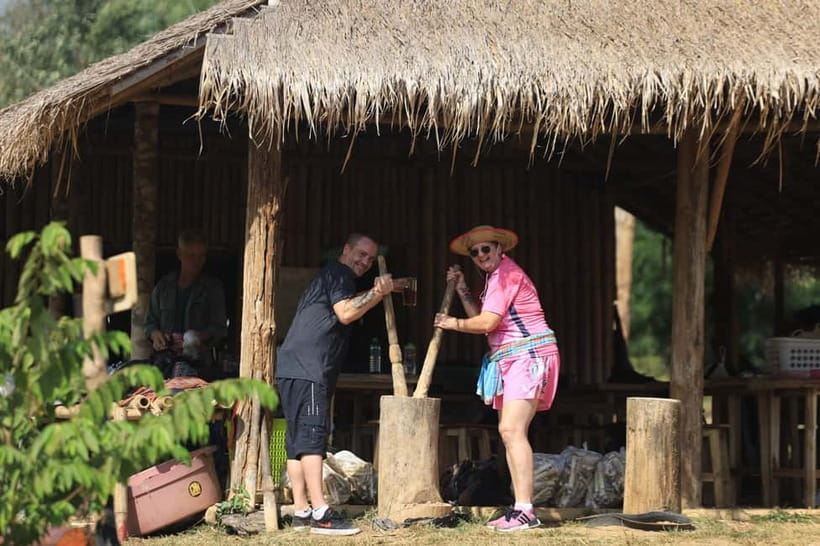
Around 10:00–10:45, you arrive at the Living Green Elephant Sanctuary and go through a briefing. Then you change into traditional northern clothing, which is a genuine cultural touch and also just a practical way to mark the transition into sanctuary time.
The clothing isn’t the main event, but it does something helpful: it makes it feel like you’re participating respectfully in a local setting rather than just passing through to a spectacle. Plus, it’s fun. You’ll look like you belong for the first hour, which is more than I can say for most tourist hats.
10:45–12:00: meet the elephants, feed and walk (with welfare boundaries)
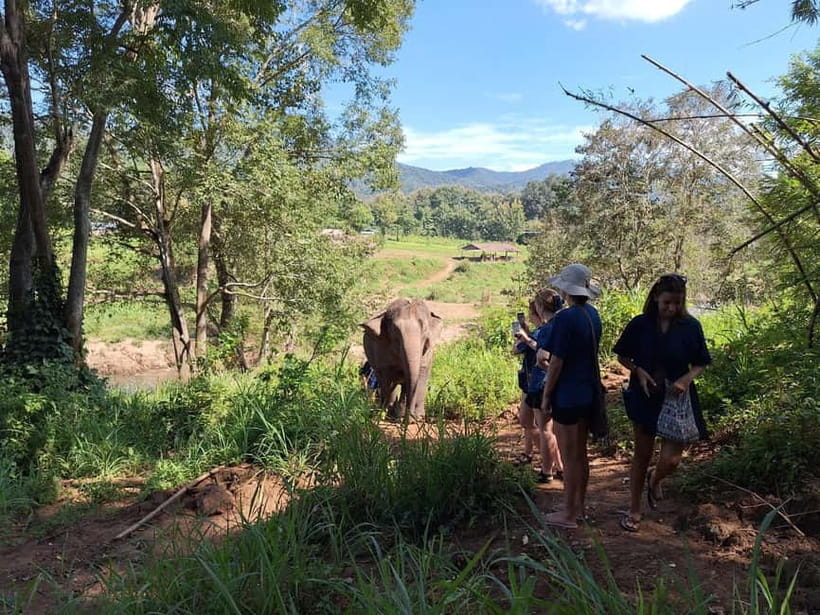
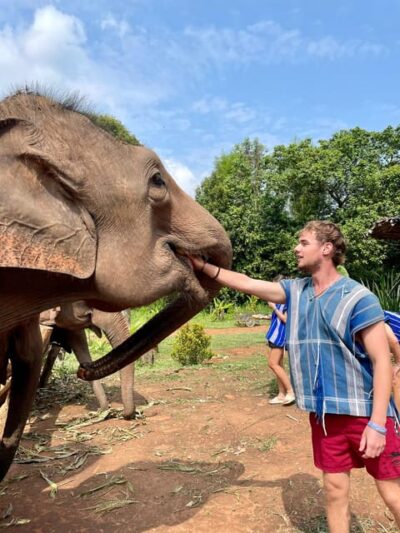
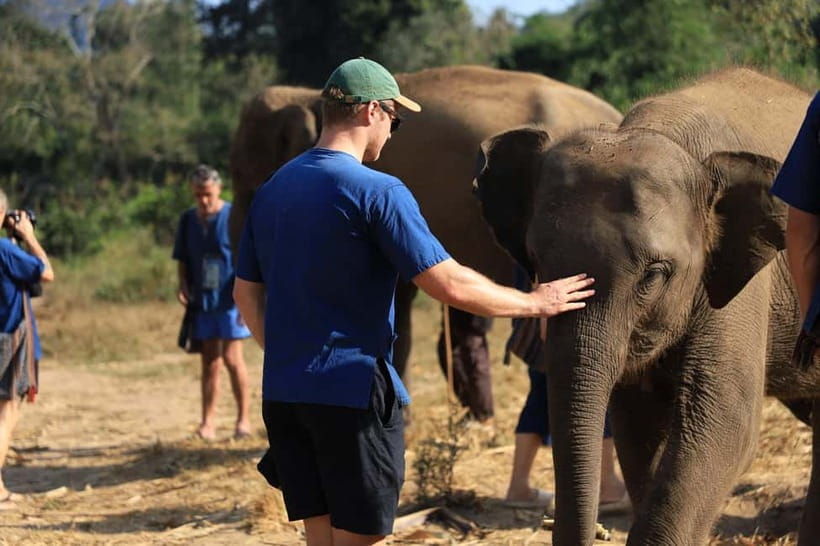
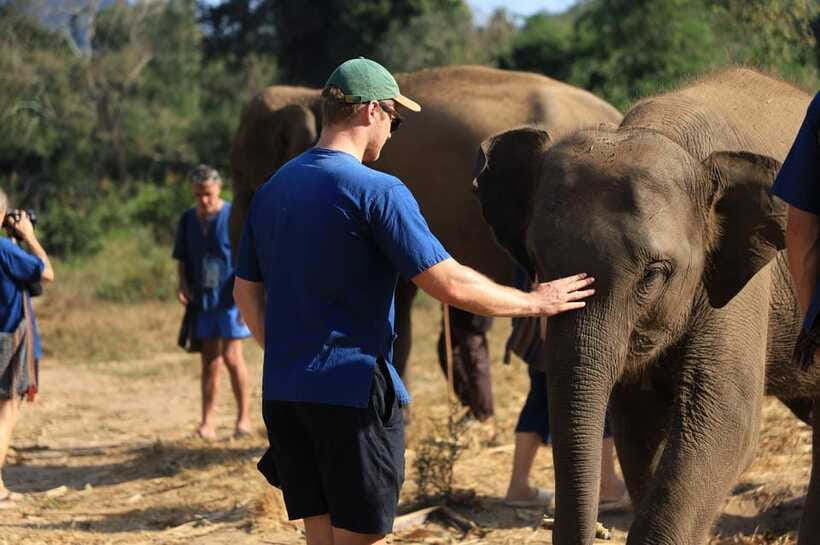
This is your heart-of-the-day window. You meet the elephants, learn about their history and behavior, and spend time in their natural habitat. The plan also includes a forest walk with the elephants, which is where the day starts feeling less like a visit and more like a shared moment in a living environment.
You should expect:
- close interaction in an open, natural setting
- learning time led by the guide
- a walk through tropical forest areas with the elephants
A staff approach focused on welfare means you won’t be pushed into uncomfortable behaviors. And again, the feeding rules are important. You’ll follow what staff allows, and you’ll learn why the sanctuary avoids forcing or encouraging actions that stress elephants.
If you’re the kind of person who asks questions (good), this is also where your guide can really shine. In reviews, guests praised guides for being informative and responsive, including tour guide Jon who seemed eager to explain what elephants were doing and why.



Lunch to recharge: local food that doesn’t slow you down
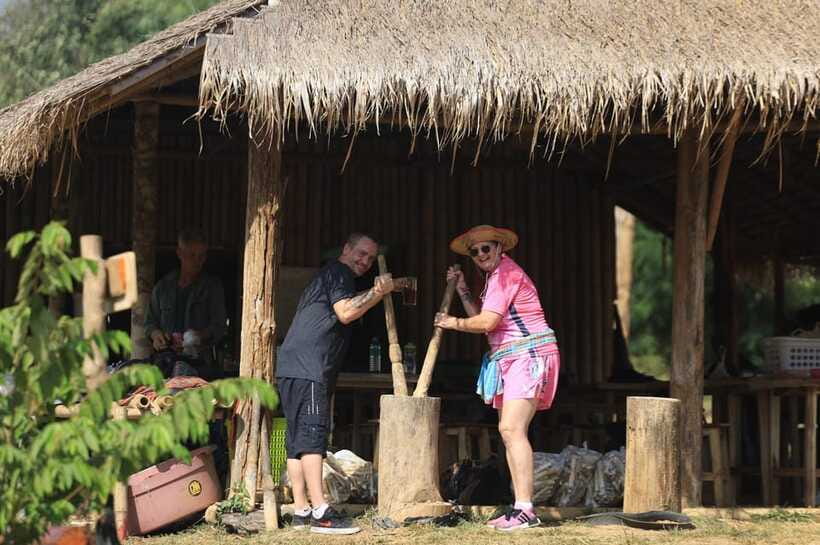
After the morning with elephants, you get lunch—about 12:00–13:00. It’s included and meant to keep the day moving.
One review specifically mentioned lunch as tofu pad Thai and fresh fruit, and another noted vegetarian Pad Thai and fruit. Even if you don’t get exactly the same menu every time, you can count on a meal that’s designed for you to eat and feel good for the next activity.
Practical tip: if you tend to get hungry quickly, take your time but don’t fall into a food coma. Bamboo rafting comes next, and you’ll want energy (and dry clothes later).
Bamboo rafting on the Wang River: calm water, wet clothes
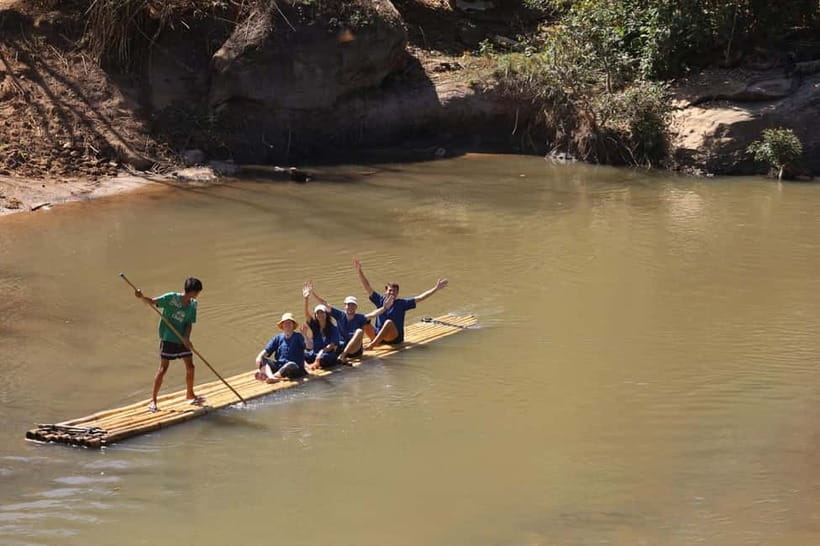
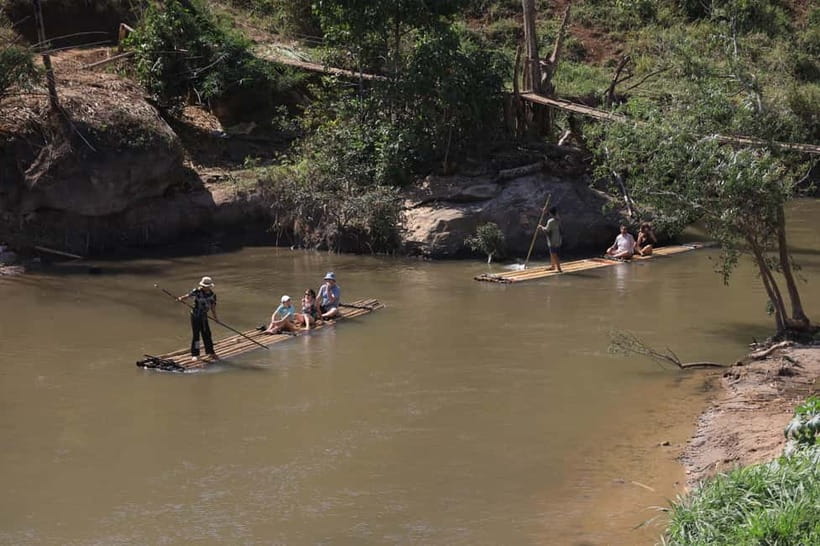
After lunch, you drive about 15 minutes to the bamboo rafting release point. Then it’s time for bamboo rafting on the Wang River, about 13:15–14:15.
Key thing to know: you will get wet. One guest put it plainly—plan on it. You’re seated in water much of the time, and the raft experience is about the ride, not staying perfectly dry.
Each raft comes with a river guide, and that’s another reason the activity feels safe and well-run. You’re not guessing. You’re learning the pace of the river and listening for simple instructions.
What makes the rafting special (besides the scenery and the novelty) is that it connects back to elephants. Reviews mention seeing elephants in the river while rafting past. Even if it’s not guaranteed every trip, you’re doing this at a time and place where elephant sightings in the river area can happen—and when it does, it turns the day from nice to memorable.
Second elephant round: walking to the river and the bath option
After rafting, you return to the sanctuary for more time with the elephants (about 14:15–14:30). Then you do the final elephant window: walking with elephants to the river and bathing them from about 14:30–15:00.
But here’s the big welfare condition again: if the weather is too cold and the elephants don’t want to get into the river, they won’t force them. That means your day could include a full bath session—or it might be a lighter version that focuses on walking and watching.
Either way, it’s better to think of this as an animal choice moment rather than a human “make it happen” moment. If the elephants decide they’re done with water, your best move is to accept it and enjoy the rest of the gentle time you still get.
When elephants do play in the river, it’s a different kind of magic than feeding selfies at a distance. You’ll see body language and social behavior in a way that feels more real.
Timing and transfers: why the day feels long but manageable
The total tour duration is listed as 10 hours, and that includes transportation time. That’s important because it means your schedule isn’t just the sanctuary and rafting windows—it’s the drive out and back to Chiang Mai, too.
Pickup is around 8:00–8:30, and the day generally runs until about 17:00 for return to Chiang Mai. There’s also a note that timing can shift with local traffic, so don’t plan a tight dinner reservation immediately after.
This is also a reason to keep your mindset flexible. You’ll spend a lot of that time sitting in a van, then standing and walking in the jungle, then getting in and out of wet conditions for rafting and possibly elephant river bathing.
If you’re prone to motion sickness, consider bringing your usual remedy. Nothing in the details says it’s rough, but the day is long enough that it can matter.
What to pack for getting wet and staying comfortable
The tour gives you clear packing guidance, and you should treat it like a checklist, not a suggestion. Here’s what I’d prioritize:
Bring:
- Swimwear (you will likely need it)
- a towel
- change of clothes
- sandals (something that can handle water)
- hat and sunscreen
- water
- insect repellent
- comfortable clothes you don’t mind getting damp
Nice-to-do: pack your wet items in a separate bag so the dry stuff stays dry for the ride back.
Also, the rules say no smoking, and no alcohol or drugs. You’re out in the countryside and around animals, so it’s about keeping the day clean and calm.
Who should book this (and who should skip it)
This is best for:
- you want an ethical elephant experience with clear welfare limits
- you enjoy nature time and don’t mind walking
- you want variety: elephants plus an active river ride
- you like a day trip that feels like more than just a single stop
It’s not suitable for:
- children under 8
- pregnant women
- people with back problems
- people with mobility impairments
That last group is particularly important. Since you’ll be moving between locations, changing clothes, walking around, and dealing with wet conditions, it’s hard to make this comfortable if you need stability or minimal walking.
If you’re an adventurer with decent mobility, you’ll likely love the balance: calm, educational elephant time plus real fun on the water.
Is it worth around $50 per person?
At about $50 per person, this is one of those deals that makes sense if you add up what’s included. You’re getting:
- hotel pickup and drop-off
- a meal
- traditional northern clothing for the sanctuary visit
- time with elephants in their natural habitat
- bamboo rafting with a river guide
For the value, what matters most is not the cost alone—it’s what that cost represents. You’re paying for a full day experience (not just an hour), with structured elephant time and a guided river activity. That’s why reviews consistently praise the smoothness of the day and the sense that elephants are cared for properly.
If you’d rather spend your money only on guaranteed animal interactions with zero weather variables, this might feel slightly less predictable because elephant river bathing is conditional. But that unpredictability comes from animal comfort, which is the point of the whole setup.
Should you book this Chiang Mai elephant sanctuary & bamboo rafting day trip?
If your ideal day includes elephants, but you also care about welfare and you don’t want a forced, circus-style setup, I think this is an excellent match. The elephant time feels structured and respectful, and the river rafting adds a fun, scenic finish that keeps the day from feeling like one long lecture.
Book it if:
- you’re comfortable with a full-day schedule and some walking
- you’re ready for getting wet and packing for it
- you want a guided, calm experience rather than a frantic attraction
Skip it if:
- you need a low-movement option for mobility or back issues
- you’re traveling with someone for whom the stated limits apply (age, pregnancy)
- you want a guaranteed elephant bath no matter what the weather is
FAQ
How long is the Chiang Mai elephant sanctuary and bamboo rafting tour?
The duration is about 10 hours, and it includes transportation time. Starting times can vary, so it’s best to check availability.
What’s included in the price?
The tour includes hotel pick-up and drop-off, traditional northern clothing for the visit, a meal, bamboo rafting with a river guide, and time with elephants in their natural habitat.
What should I bring for this day trip?
Bring a hat, swimwear, a change of clothes, a towel, sandals, sunscreen, water, comfortable clothes, and insect repellent.
Will I be able to bathe the elephants in the river?
Elephant bathing is part of the plan, but it depends on comfort and weather. If it’s too cold and elephants don’t want to get into the river, they won’t be forced.
Is feeding elephants allowed during the tour?
Feeding animals is listed as not allowed. Follow the sanctuary and guide instructions during your briefing for what is permitted during the interaction.
Is this tour suitable for children?
No. It’s not suitable for children under 8 years old.
Is it suitable for pregnant women or people with mobility or back problems?
No. The tour is not suitable for pregnant women, people with back problems, or people with mobility impairments.