REVIEW · CHIANG MAI
Chiang Mai: Elephant Sanctuary Local Hill Tribe Caretakers
Book on GetYourGuide →Operated by Johnny Boy Treks · Bookable on GetYourGuide
Elephants, a waterfall, and real care. This half-day program in Chiang Mai mixes stress-free elephant time with a hike to Mae Wang Waterfall, all in a setting built around welfare, not tricks. You’ll also spend time learning about Karen and Hmong community life through local caretakers, which makes the whole day feel more human and less like a theme-park stop.
I love that there are no shows or rides—you’re there to help, watch, and learn how gentle care actually works. I also like the way the day connects elephant welfare with the people who live nearby and support sustainable tourism. One drawback to consider: the day can run later than you expect, so don’t plan anything tight right after you return.
In This Review
- Key highlights worth planning for
- Why This Elephant Sanctuary Day Feels More Honest Than Most
- Price and Value: What $51 Covers (and Why It’s Not Just About Elephants)
- Getting to the Camp: Pickup Timing and How to Start Smooth
- Elephant Care Time: Feeding, Walking, Mud Bath, and River Washing
- Mae Wang Waterfall Hike: A Real 1-Hour Forest Break
- Karen and Hmong Community Time: Seeing Living Culture, Not a Script
- Lunch at the Sanctuary: Refuel Without Losing the Mood
- What to Bring for a Wet, Outdoor Half-Day
- Rules and Physical Reality: Who Should Sit This One Out
- Group Rhythm and Timing: Why Your Afternoon Might Shift
- Should You Book This Elephant Sanctuary Experience?
- FAQ
- How long is the experience, and when will I return to Chiang Mai?
- What are the pickup times from Chiang Mai?
- What’s included in the price?
- What should I bring?
- Is this tour suitable for children or pregnant travelers?
- Can I cancel or pay later?
Key highlights worth planning for
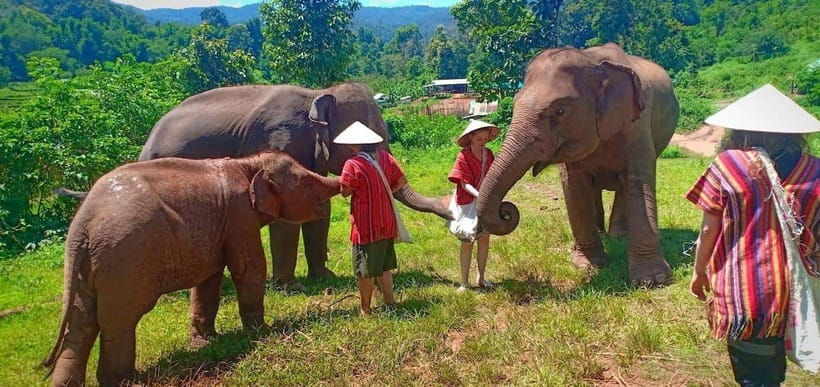
- Hands-on elephant care: feed, walk with, and bathe elephants in a natural routine
- River and mud-bath time: the elephants cool off, and you see it up close
- Mae Wang Waterfall trek: a full 1-hour walk through forest to a beautiful payoff
- Karen and Hmong community learning: local life comes into focus, not just animal time
- Ethics-first, non-commercial format: no rides, no performances—just real interaction
Why This Elephant Sanctuary Day Feels More Honest Than Most
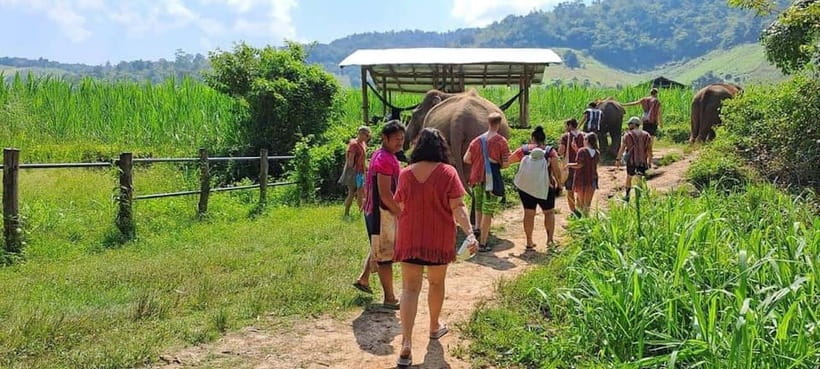
If you’ve ever felt uneasy about elephant tourism, this program is built to address that. The whole point is that you’re not paying for entertainment. You’re joining caretakers and following a routine that supports elephant well-being in a natural, low-stress environment.
What you’ll notice fast is how the day stays grounded in practical care: preparing food, spending time near the elephants, and getting them into the river for bathing. There’s no forced staging. No “stand here for the photo” chaos is implied by the program format—just an organized flow that keeps the focus on animal comfort.
The second big reason this works is the pairing with the Mae Wang Waterfall hike. It breaks up the day so it doesn’t become only an animal encounter. After being around elephants for hours, you get a stretch of forest time where the air feels different and the pace slows down.
Finally, I like that cultural learning isn’t treated like a quick photo opportunity. You get to explore the way of life of local Karen and Hmong communities, which helps you understand the broader human side of conservation and tourism.
You can also read our reviews of more tours and experiences in Chiang Mai.


Price and Value: What $51 Covers (and Why It’s Not Just About Elephants)
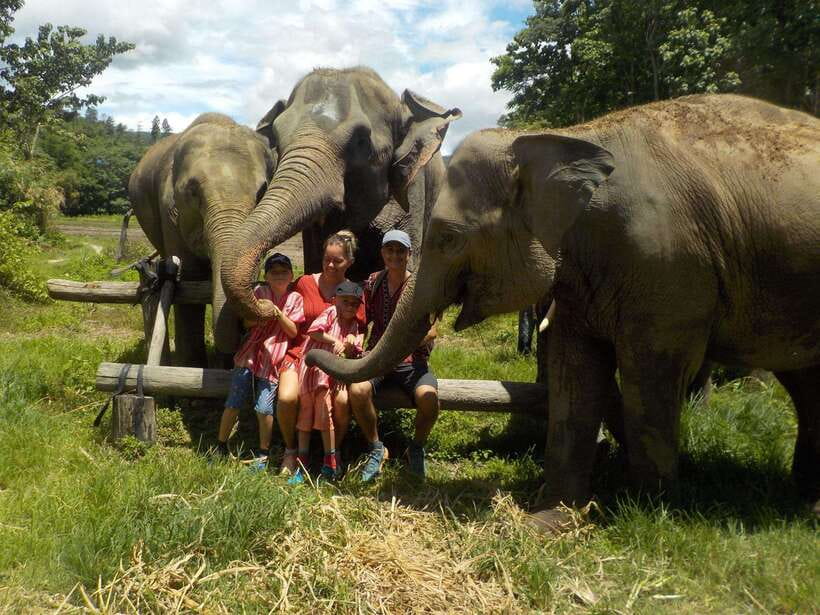
At about $51 per person for a half-day experience, the value mostly comes from three things you’d otherwise pay for separately: transport, a prepared meal, and guided time that includes both elephant care and a hike.
Here’s what you’re getting without extra add-ons:
- Round-trip transportation from your hotel in Chiang Mai
- Lunch included during the program
- A guided experience covering elephant feeding, walking, mud-bath time, and river bathing
- A 1-hour guided jungle hike to Mae Wang Waterfall
That transport piece matters more than it sounds. Chiang Mai traffic and distance can turn “short trips” into half-day commitments. This one keeps you from having to arrange your own ride and timing.
Also, the ethics-first element is part of the value. When a program is built around welfare rather than rides and shows, the cost isn’t only paying for access—it’s paying for a structure that supports care and sustainable tourism practices.
One more money-related note: this is listed as a 4-hour duration, but you also have a “back in Chiang Mai around 2:00PM” return. That usually means your morning schedule (or late-morning start) may stretch a bit depending on the day’s flow. So think of it as a half-day that still deserves your full morning focus.
Getting to the Camp: Pickup Timing and How to Start Smooth
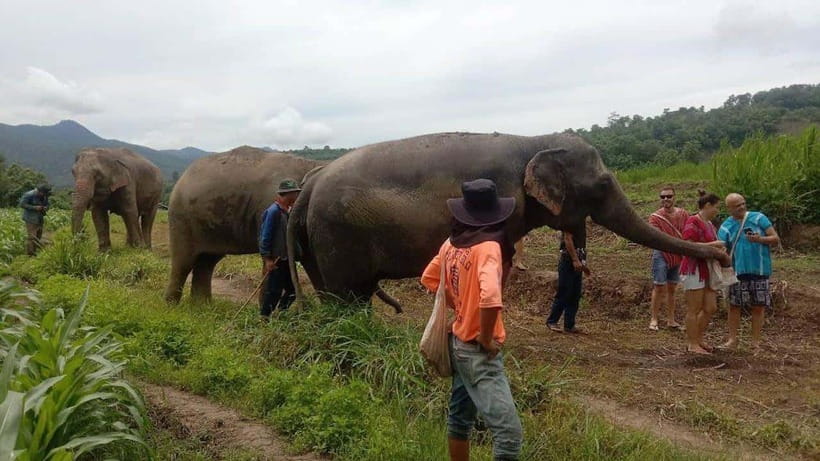
The day starts with pickup from Chiang Mai, and timing is specific enough that I’d plan around it instead of hoping you’ll “figure it out” on the day.
Your pickup window is either:
- Morning pickup between 8:00AM and 8:30AM, or
- Afternoon pickup between 11:30AM and 11:45AM
The drive to the elephant camp takes about 1 hour, and the tour returns to Chiang Mai around 2:00PM. That combination tells you the program is designed to be compact, so you’ll want to arrive at pickup ready to go—especially since you’ll be changing clothes and getting wet later.
A practical tip: use your first 20 minutes like a warm-up. Apply sunscreen and get your insect repellent ready before you start hiking and elephant time. Once you’re at the sanctuary, you’ll be focused on instructions, and it’s easier to handle comfort prep early.
Also, the rules are clear:
- No smoking
- No alcohol in the vehicle
- And you won’t be in a “free-for-all” situation with animal feeding on your own terms
It’s a good sign when expectations are spelled out. It usually means the sanctuary’s routine runs more consistently for both people and elephants.
Elephant Care Time: Feeding, Walking, Mud Bath, and River Washing
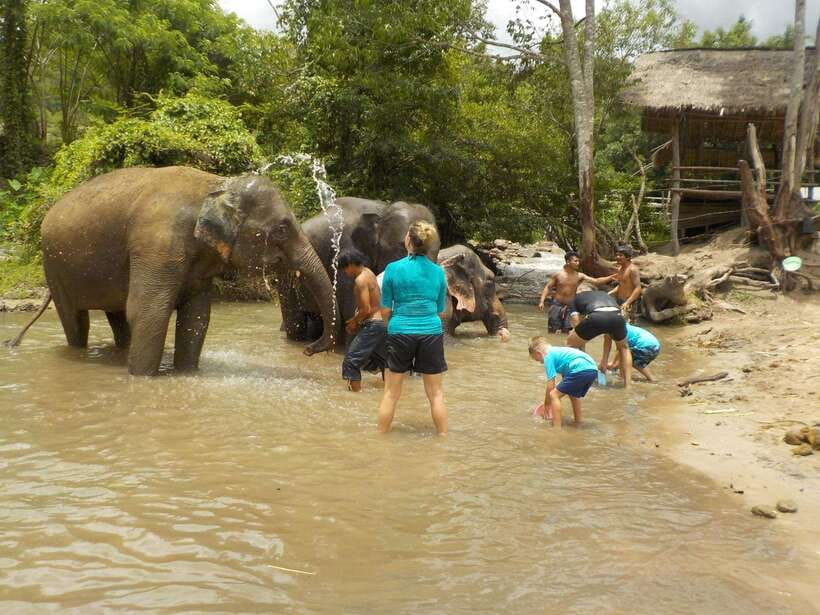
This is the reason most people book, and it’s also the part where the program’s ethics show up in how the experience is described.
You’ll learn how to take care of the elephants and get hands-on with several activities:
- Feeding elephants (with staff guidance)
- Walking with elephants in a natural, stress-free environment
- Helping them enjoy a mud bath to cool off and protect their skin
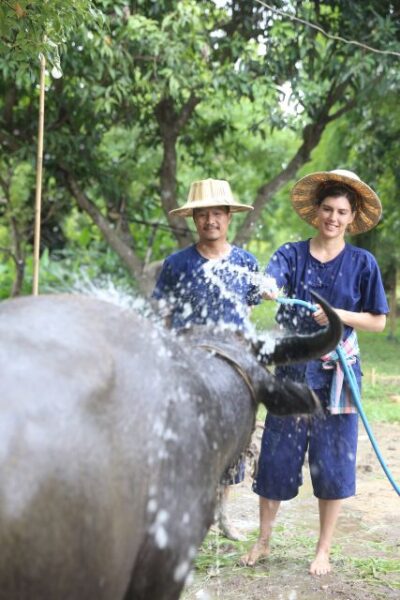
- Joining the elephants in a river bath for a playful, refreshing wash
The order matters. Feeding and walking are calmer entry points. Then the mud bath becomes part of the natural cooling-and-skin-care rhythm. After that, the river bath adds a different kind of fun—more movement, more water, and a clear sense of how elephants use natural spaces.
You should also understand what’s being avoided. The program highlights that it’s non-commercialized: no shows, no rides. In other words, your day is built around care activities rather than trained performances meant for crowds.
What you can do to make this section go smoothly:
- Wear clothes you don’t mind getting wet
- Bring a towel and flip-flops (you’ll want easy-to-change footwear)
- Keep your camera handy, but follow staff cues—water time can make surfaces slippery
- Listen for instructions during feeding and bathing so you stay aligned with the elephants’ comfort
The mud bath and river portion can be messy in the best way. That’s why swimwear and a change of clothes aren’t optional in spirit. You’ll feel much better if you accept that you’re going to get wet and plan like an adult about it.
Mae Wang Waterfall Hike: A Real 1-Hour Forest Break
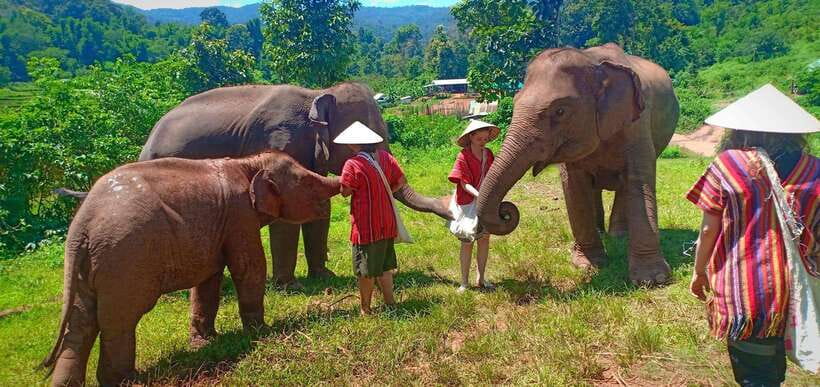
After elephant time, you’ll switch gears for a 1-hour hike to Mae Wang Waterfall. The program describes it as a trek through lush forest, so expect a guided walk where you’re moving, breathing cooler air, and taking in scenery that’s a step away from the sanctuary routine.
Why I like this pairing: it gives your body a break from standing around and it changes the pace. You also get to shift your brain from “animal care” mode into “nature walk” mode. That matters because elephant experiences can be emotionally intense—even when everything is gentle and ethical.
What you should plan for:
- It’s a hike, not a slow stroll
- You’ll likely want flip-flops for the end-of-water parts, but bring shoes/footwear that feel stable for the walk (the program lists flip-flops, but you’ll still want something that works on uneven ground)
- Bring sunscreen and repellent even if you’re not thinking about it yet
If you’re the kind of traveler who likes your half-days with variety—animals plus nature—this is one of the stronger parts of the program.



Karen and Hmong Community Time: Seeing Living Culture, Not a Script
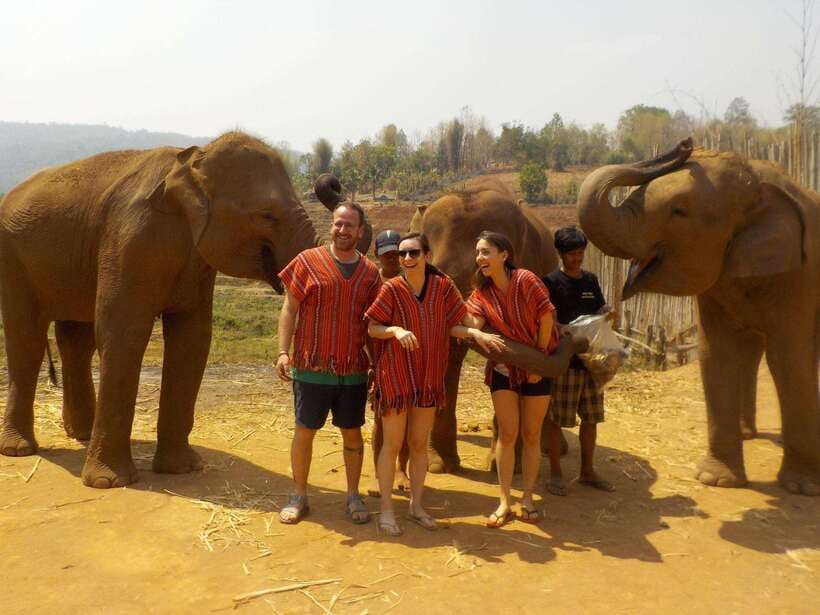
One of the most interesting elements is the cultural component. You’ll explore the way of life of local Karen and Hmong communities. That’s not just “background information”—it’s part of how the sanctuary frames sustainable tourism.
Here’s what that means in practice: the day isn’t only about elephants as a separate attraction. It treats elephants, caretakers, and nearby communities as connected pieces. That’s the kind of context that helps you make sense of conservation beyond a single photo moment.
Because the program description doesn’t spell out exact activities, I’d treat this as a guided learning time rather than expecting a specific performance or long cultural workshop. In other words, plan to ask questions and listen. Your best results usually come from curiosity, not checklists.
This portion also pairs well with the no-rides/no-shows format. When you’re not distracted by staged entertainment, it’s easier to notice what people do day to day and how that connects to the environment around them.
Lunch at the Sanctuary: Refuel Without Losing the Mood
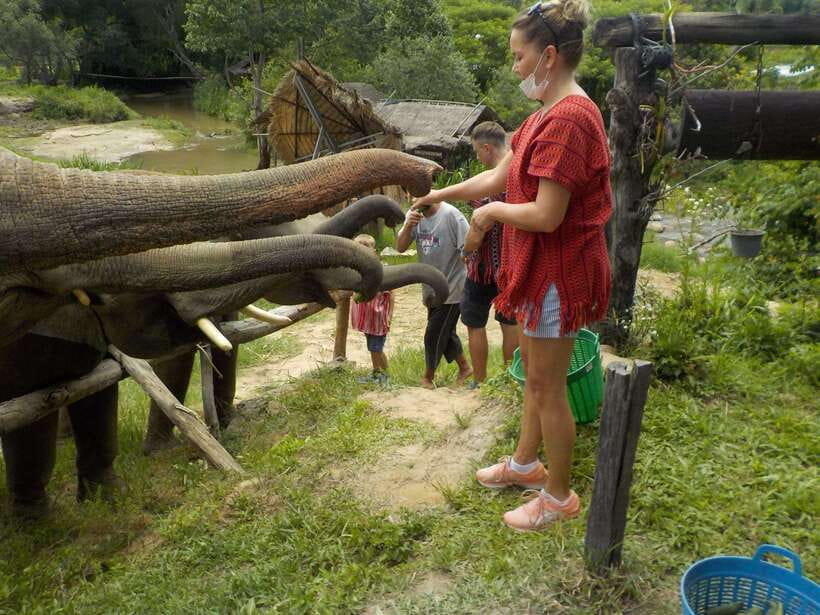
You’ll have lunch in the sanctuary surroundings. It’s included, so you don’t have to track down food on your own while timing is tight.
Practical things I’d do:
- Eat early enough that you’re not sluggish for the waterfall hike
- Drink water when you can (especially if you’re sensitive to heat)
- Keep your towel and change clothes accessible so you’re not scrambling later when it’s time for bathing
The sanctuary setting matters because it keeps the mood calmer. Instead of rushing between stops, you settle in, eat, and then continue with the day’s next activity. It’s small, but it affects how you remember the trip.
What to Bring for a Wet, Outdoor Half-Day
Packing right is what turns this from stressful into smooth. The program lists exactly what you should bring, and I’d follow it closely:
Bring:
- Swimwear
- Change of clothes
- Towel
- Camera
- Sunscreen
- Flip-flops
- Insect repellent
Plan your day around the fact that you’ll be in and around water. If you show up wearing hard-to-dry clothes or shoes you can’t get wet, you’ll spend mental energy dealing with discomfort instead of enjoying elephant care.
A couple of “don’t overthink it” notes:
- Keep sunscreen on early since you’ll be outside during the hike
- Use insect repellent before you go into forest areas
- If you’re camera-ready, bring a way to protect it from splashes during river bath time
Rules and Physical Reality: Who Should Sit This One Out
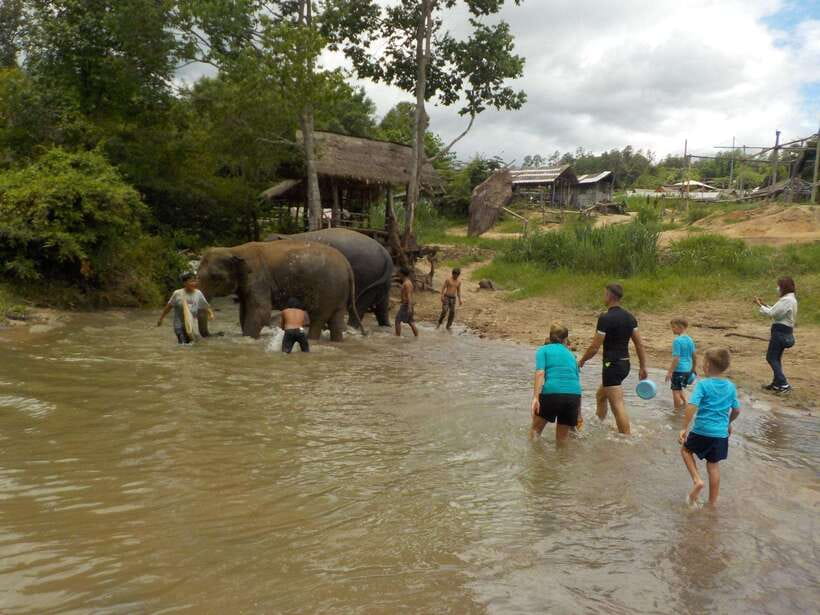
This is an active, outdoors-focused day. The program lists who it’s not suitable for:
- Children under 2 years
- Pregnant women
- People with back problems
If any of those apply, I’d take the listing seriously. Even if the elephant activities are gentle, you still have a hike and time outdoors where movement is part of the experience.
Also note what isn’t allowed:
- Smoking
- Feeding animals
- Alcoholic drinks in the vehicle
The “no feeding animals” line can sound confusing since feeding is part of the elephant care routine. I read it as a safety rule: you’re feeding only when and how staff instruct you, not on your own. Either way, follow the guide’s directions and you’ll be fine.
Group Rhythm and Timing: Why Your Afternoon Might Shift
This is where I’ll be straight with you. The experience is described as a 4-hour program, and yet pickup and return timing place you back in Chiang Mai around 2:00PM. That alone suggests the day can feel longer than a perfect stopwatch version.
Also, the elephant activities plus the mud bath and river bath take time. Add a 1-hour hike, and your schedule depends on the group pace and how long the elephants stay comfortable with each step.
So here’s my practical advice: keep your next plans flexible. If you’re trying to squeeze in a late lunch appointment or another tour right away, you might regret it.
Should You Book This Elephant Sanctuary Experience?
I think it’s a good booking if you want:
- Ethical elephant interaction without rides or shows
- Real time feeding, walking, and bathing elephants
- A balanced day that includes a 1-hour waterfall hike
- Cultural learning with local Karen and Hmong communities
- Included lunch and simple transportation from Chiang Mai
I’d skip it if you need a super rigid schedule, or if the physical demands (hike, outdoor time, getting wet) don’t fit your body or situation. And if you’re traveling with very small kids or you fall under the listed “not suitable” groups, choose a different type of experience.
If you book, treat it like a nature-and-care day. Bring the right gear, listen carefully, and don’t rush. When you do that, you’ll walk away with a memory that feels more grounded than the typical elephant photo stop.
FAQ
How long is the experience, and when will I return to Chiang Mai?
The experience is listed as 4 hours, and the tour returns to Chiang Mai around 2:00PM.
What are the pickup times from Chiang Mai?
Pickup is in the morning between 8:00AM and 8:30AM, or in the afternoon between 11:30AM and 11:45AM.
What’s included in the price?
The price includes round-trip transportation from Chiang Mai and lunch.
What should I bring?
Bring swimwear, a change of clothes, a towel, camera, sunscreen, flip-flops, and insect repellent.
Is this tour suitable for children or pregnant travelers?
It’s not suitable for children under 2 years or pregnant women, and it’s also not recommended for people with back problems.
Can I cancel or pay later?
You can cancel up to 24 hours in advance for a full refund. The option to reserve now & pay later is also available.