REVIEW · CHIANG MAI
Chiang Mai Authentic Trekking
Book on GetYourGuide →Operated by Thai Eco Trek Adventures · Bookable on GetYourGuide
Rain, mud, and mountain views.
This one-day hike from Chiang Mai feels like an honest walk through the hills, not a theme-park trail. I like the focus on local culture with a Karen community visit and school stop, and I also love how the guide team (Pan and a local assistant) turns the forest into a classroom with plants used for food and everyday life. The catch is simple: it is a real medium hike with steep, sometimes slick sections—so you need decent shoes and steady legs.
What you get for the price is worth a look: hotel pickup, English guide support, lunch and drinking water, and an accident insurance layer. I also appreciate that it’s built around responsible travel and support for local businesses, from the market lunch to farm paths used by villagers. Just be ready for a workout that can run close to 5 hours of trekking time, plus a van ride before and after.
In This Review
- Key things that make this trek work
- Where Chiang Mai Authentic Trekking fits in your trip
- The morning start: pickup, van ride, and a market lunch setup
- Khun Poi Village (Karen hill tribe): culture you can respect
- The actual trekking: rice fields, evergreen forest, and plant lessons
- Phalai Mountain Peak: the climb, the view, and the nature pause
- Forest lunch: a calm break with fresh air
- After lunch: hill tribe farms and crop-focused walking
- The hidden waterfall refresh: swim, relax, and take photos
- Price and value: why $57 can be fair for this day
- What I’d watch for before you book
- What to pack so the day feels easy
- Timing and weather: February through October style planning
- Who this trek suits best (and who it doesn’t)
- Should you book Chiang Mai Authentic Trekking?
- FAQ
- What time does hotel pickup usually start?
- How long is the trek and how far do you hike?
- Is the hike easy or medium difficulty?
- What’s included in the price?
- Do I need to pay for lunch or snacks?
- Is there time to swim?
- How big is the group?
- What wildlife might you see?
- What should I bring for weather and comfort?
- Is this trek refundable if plans change?
Key things that make this trek work
- Small group (up to 8) keeps the day more personal on narrow trails and at the village school.
- Pan’s plant focus: you’ll learn what grows in the jungle and how people use it for food and daily needs.
- Karen hill tribe visit at Khun Poi gives you context on farming life, not just a photo stop.
- A real uphill to Phalai Mountain with valley views and a summit-type break before lunch.
- Forest lunch + farm trek afterward keeps the day from feeling repetitive: peak, meal, then crops and paths.
- Hidden waterfall refresh adds a fun reset, and it’s the one moment where swimwear matters.
Where Chiang Mai Authentic Trekking fits in your trip
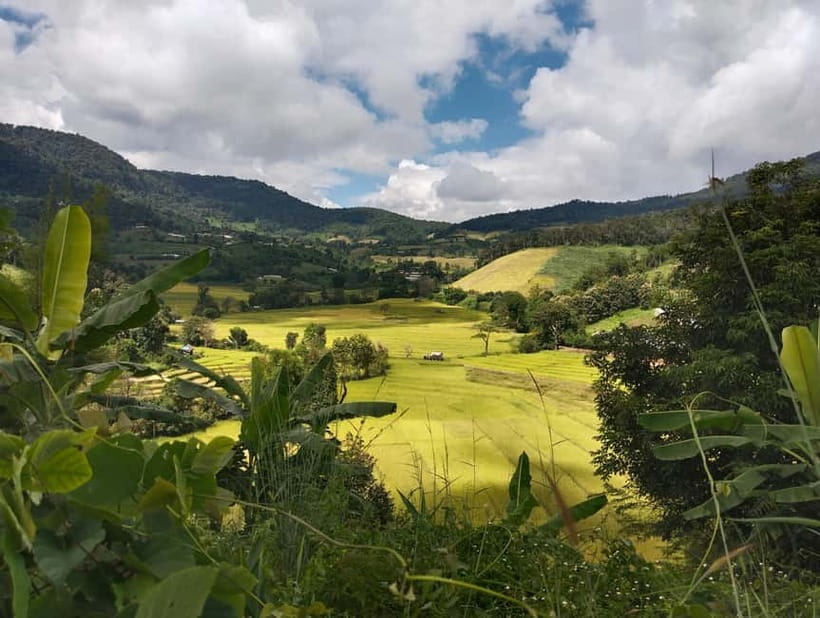
If you’re in Chiang Mai and you want more than temples and massages, this is a solid choice. It’s a nature-and-people day built around the hills south of the city, with a route that mixes farm paths, evergreen forest, and mountain viewpoints. You get a short cultural chapter at Khun Poi Village, then a full-on trek that uses trails locals know.
You also get a clear sense of pacing. The trekking portion is about 4–5 hours over roughly 10–12 km of mountain terrain with a medium difficulty label, so this isn’t a casual stroll. It’s ideal if you’re comfortable hiking and want your day to feel active.
The provider, Thai Eco Trek Adventures, also frames the trip as sustainable and responsible tourism. In practice, that usually means you should expect community-based stops and local-business support rather than staged performances.
You can also read our reviews of more hiking tours in Chiang Mai
The morning start: pickup, van ride, and a market lunch setup
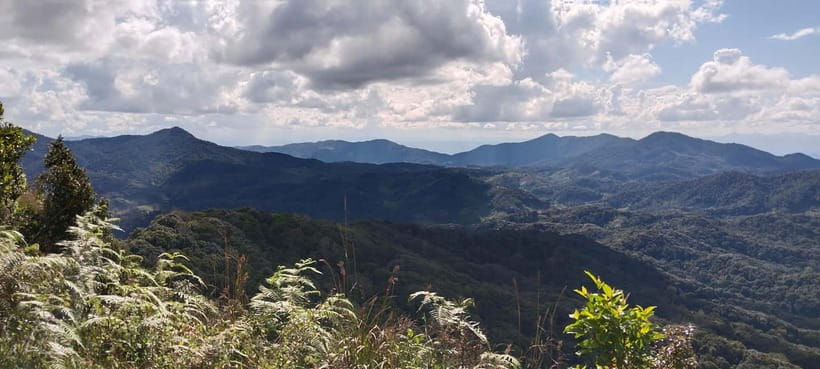
Your day begins with hotel pickup around 7:45–8:00 AM, and you’ll want to be in the lobby about 10 minutes early. From there, the van heads south into the countryside. This first leg matters more than you might think, because it sets the tone: you’re leaving city noise behind and moving toward the hills before the walking starts.
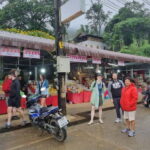
On the way, you stop at a traditional Thai market. This isn’t just for drinks. Your guide helps you shop for lunch, and you’ll typically grab drinking water and food ingredients/snacks that match what villagers eat. You also get a quick education on local shopping habits and everyday choices, which makes the later lunch feel connected instead of random.
Then comes a scenic viewpoint stop en route to Khun Poi Village. Expect a short walk and time to take photos, with valley views that change as you climb. This is a nice mental warm-up before the trek proper.
Khun Poi Village (Karen hill tribe): culture you can respect
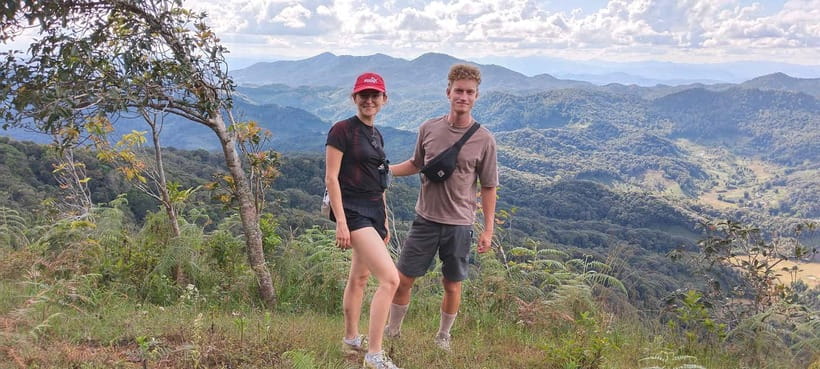
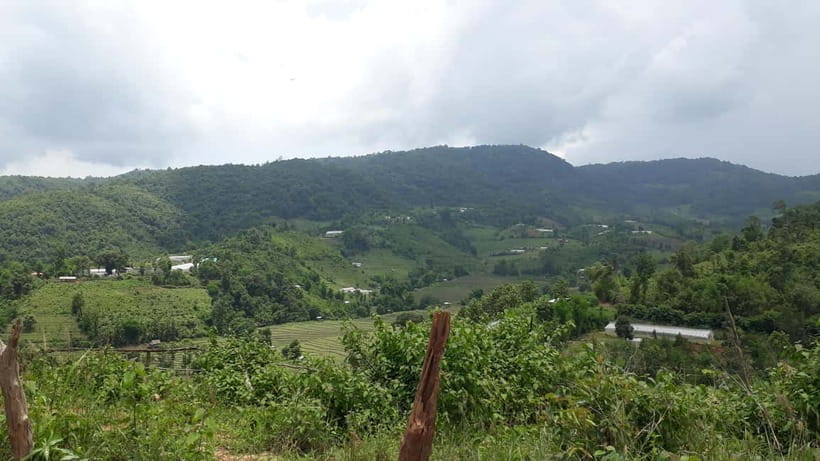
The trek brings you to Khun Poi Village, a Karen hill tribe community surrounded by mountains and farmland. This is where the day shifts from scenery to people. You learn about their agricultural lifestyle and unique culture, and you also get a chance to see how daily life ties to the land.
A key moment is the school visit. Starting trekking from the village school is both a practical way to begin the walk and a meaningful cultural stop. You’ll see children enjoying their day, which is memorable because it’s not a performance—just real life going on.
A few practical tips for this part:
- Keep your manners simple: quiet movements, no rushed posing, and follow your guide’s direction on photos.
- Treat the visit as interaction, not sightseeing. A little patience goes a long way when the focus is community routine.
This cultural stop is one of the most praised pieces of the day, and it’s also the part that turns the trek into something more than a fitness session.
The actual trekking: rice fields, evergreen forest, and plant lessons
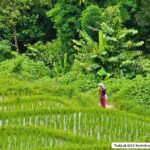
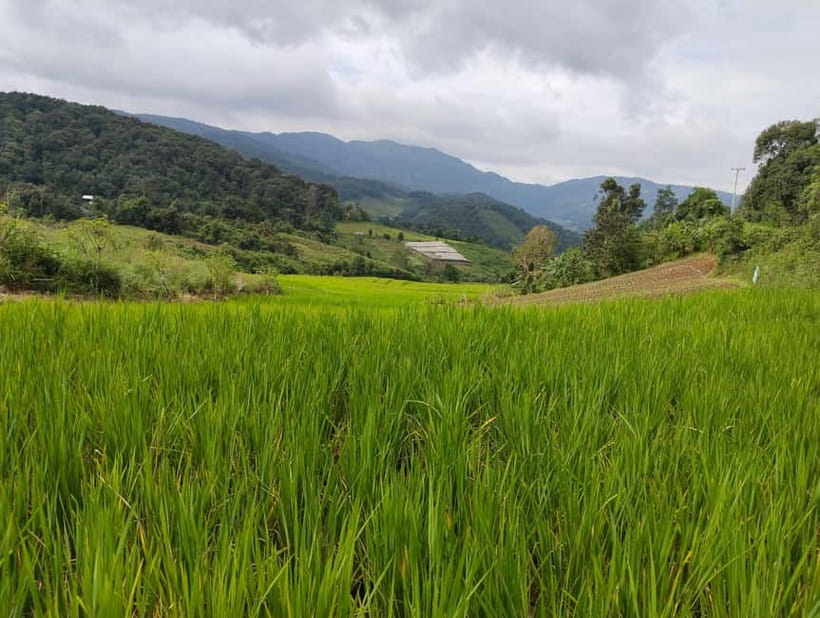
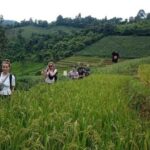
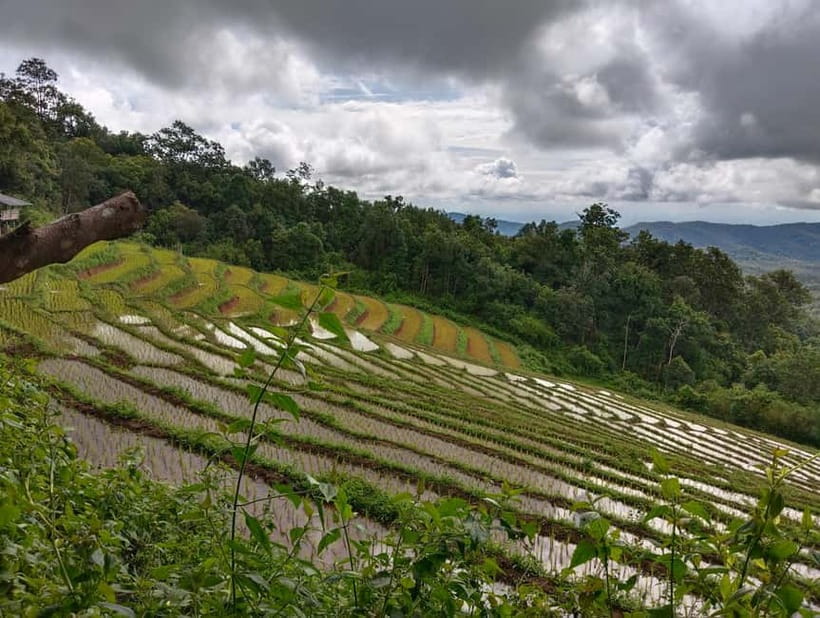
Once the hike starts, you move through a mix of rice fields, evergreen forest, and natural trails. You’ll pass vegetation that’s more than scenery. Your guide points out plants used for food and medicine, and the aim is to show how the community relates to what grows around them.
You’re not just walking through “green.” You’re learning what matters to locals. In particular, Pan’s English is reported as strong enough to explain the plant stories clearly, and the trip style leans toward active learning rather than long speeches.
Expect the trail to feel like a real mountain walk:
- You’ll likely deal with steep segments during the climb portion.
- Some sections can be slippery, especially if the weather has been wet.
- You’ll be moving for stretches rather than stopping constantly.
One thing I like about this design is the variety of what you’re seeing while you climb. Rice fields pull your eyes open; forest paths slow your pace and sharpen your attention. That rhythm keeps the effort from turning into pure suffering.
Phalai Mountain Peak: the climb, the view, and the nature pause
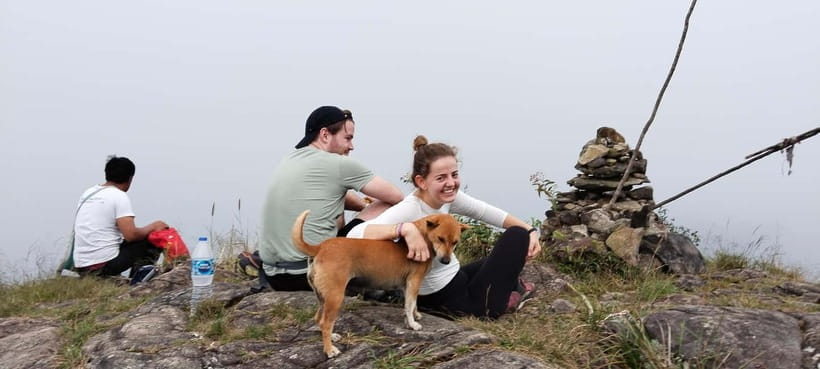
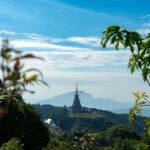
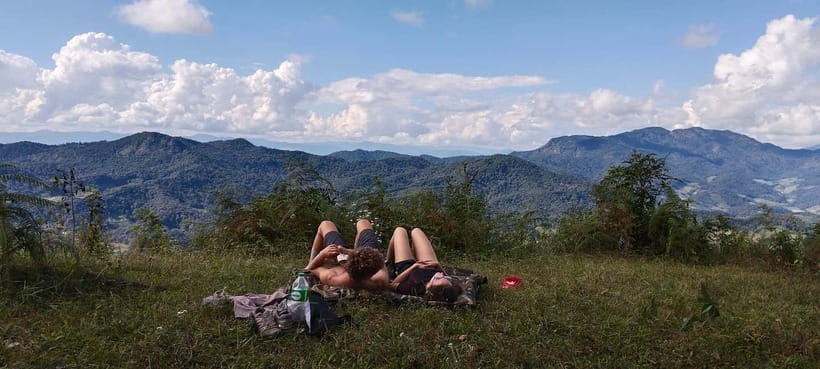
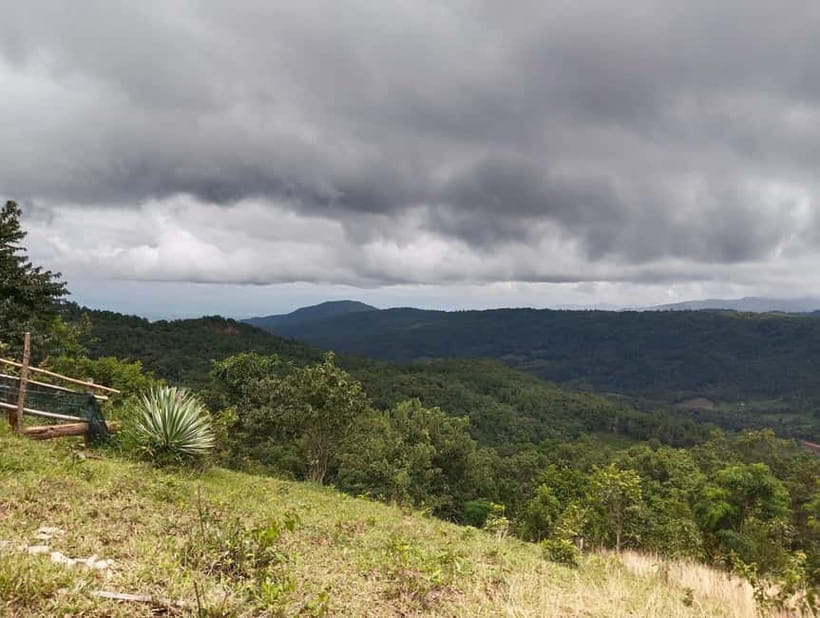
A highlight is reaching Phalai Mountain Peak, positioned between Chom Thong and Mae Wang districts and connected to the Doi Inthanon National Park area. This is the kind of summit moment where you feel your legs, then you get a payoff: valley views, villages below, and a sense of how the hills fold into each other.
Wildlife may appear here depending on timing and conditions. The day notes include possibilities like wild boar, gibbons, barking deer, and lots of birds. Don’t count on spotting every animal, but do stay observant—this area can feel alive if you move quietly.
This is also the moment where the lunch plan makes sense. You don’t just snack while rushing. You reach the top area, pause, and then eat—often after purchasing lunch items earlier at the market.



Forest lunch: a calm break with fresh air
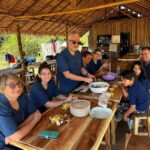
Lunch happens in the forest, which is a big part of why the day feels balanced. You’re not sitting in a hot car for your meal. You’re eating with mountain air and a quieter setting, which helps you recover before continuing the trek.
The day includes lunch and drinking water. In practice, that means your energy stays steady without you juggling a bag of supplies. If you like having a plan for food (and not thinking about it mid-hike), this is a comfort.
After lunch: hill tribe farms and crop-focused walking
Once you’ve eaten, the route continues through hill tribe farms. This is where you start seeing the agricultural side more directly—coffee and fruit and vegetables that explain why these communities stay rooted in the hills.
You may pass crops such as coffee, passion fruit, cape gooseberry, tomatoes, zucchini, taro, and more. Your guide uses these spots to explain daily farming life and how the community tries to live in harmony with nature.
This portion is a nice change after the peak effort. It keeps the hike from feeling like a single long climb-to-done session. Instead, it turns into a full loop of land-use knowledge: forest to peak to crops.
The hidden waterfall refresh: swim, relax, and take photos
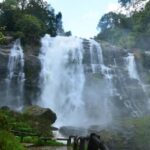
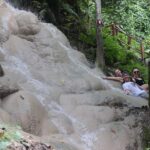
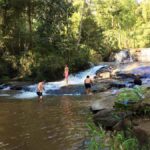
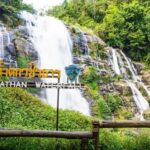
After the trek, you’ll head to a secluded waterfall for a cooling break. There’s time for swimming (about 30 minutes), plus relaxing and photos.
This is where your packing list actually matters:
- Swimwear and a towel are worth it if you want to take advantage of the water.
- Wear shoes that can handle damp ground, since you might be walking around slick areas.
- Insect repellent is practical for the forest sections too.
Then you’re back on the van for the drive into Chiang Mai. Arrival is typically around 5:00–6:00 PM, which makes this a manageable full-day adventure without eating your whole next morning.
Price and value: why $57 can be fair for this day
At $57 per person for a 1-day trek, the value comes from what’s included. You get:
- hotel pickup and drop-off around the city
- transportation to the trail area
- English speaking guide plus a local assistant
- lunch and drinking water
- accident insurance
That combination matters because the “hidden costs” of an active day add up fast—transport, guide time, food for the trek, and insurance coverage. Here, those are rolled in.
You’ll still want to plan for small extras like souvenirs or soft drinks, since those aren’t included. But as an all-in outdoor day with culture and food, this pricing is in the practical range for what you’re getting.
What I’d watch for before you book
This is the honest part. The trek is listed as medium difficulty, but the real-world feel can be tougher if you’re not used to mountain hiking. It’s about 12 km of terrain and 4–5 hours of trekking, with steep and potentially slippery segments.
Also, the trip isn’t suitable if you have certain health or mobility limits. It’s not recommended for:
- pregnant women
- people with mobility impairments
- people with heart problems
- wheelchair users
- babies under 1 year
- people over 95 years
- people over 70 years
So, if you’re on the fence, ask yourself this: can you hike uphill at a steady pace for hours and manage damp trail conditions? If the answer is no, you’ll have a better time choosing a lighter half-day in Chiang Mai.
What to pack so the day feels easy
The trek notes include a practical list. Don’t overthink it, just make sure the basics are covered:
- Comfortable shoes (and ideally hiking shoes)
- Sun hat, sunscreen, and comfortable clothes
- Insect repellent
- Daypack
- Camera
- Cash (useful for markets and any small extras)
- Personal medication
If you want to swim at the waterfall, add:
- swimwear
- towel
It’s also smart to carry a change of shirt or something you can dry later, since humidity and mist can be part of the experience in the hills.
Timing and weather: February through October style planning
The trek is seasonal:
- Mid of February to mid of May: summer season
- Mid of May to mid of October: rainy season
- Mid of October to mid of February: winter season
When it’s raining season, expect mud and slippery footing. In winter, mornings can feel cooler, which can make the uphill easier but the rest of the day still warm in the sun. The big takeaway is: plan for trail conditions changing fast, especially around forest paths and the waterfall area.
Who this trek suits best (and who it doesn’t)
This is a strong match for:
- active travelers who enjoy walking and want real trail effort
- people who like learning from local guides rather than only taking photos
- anyone interested in hill tribe culture through everyday life at Khun Poi Village and the school stop
- nature-minded hikers who enjoy plant explanations and expect a quieter route
It’s a poor fit for:
- anyone who needs step-free access (it’s not designed for mobility impairments)
- seniors over 70 or anyone with heart issues
- very young children and babies
If you fit the “active but respectful” category, you’ll get more out of the day because you’ll actually have energy for both the cultural parts and the hike.
Should you book Chiang Mai Authentic Trekking?
Book it if you want a one-day Chiang Mai trip that blends mountain walking, Karen hill tribe culture, and hands-on plant learning with a realistic pace. The small group size (up to 8) and the strong guide support make a difference when trails get steep and when you’re learning on the move.
Skip it if you’re expecting an easy stroll, have limited uphill tolerance, or you want a fully relaxed day with minimal hiking. This is active travel: you should go with good shoes, a positive attitude for steep sections, and the willingness to sweat a little for those mountain views.
If your ideal Chiang Mai day includes getting out of the city and into the real hill-country rhythm, this is one of the best value ways to do it in a single day.
FAQ
What time does hotel pickup usually start?
Pickup runs around 7:45–8:00 AM. You should wait in your hotel lobby about 10 minutes before the scheduled pickup time.
How long is the trek and how far do you hike?
The trek is about 4–5 hours of hiking time and covers roughly 10–12 km of mountain terrain.
Is the hike easy or medium difficulty?
It’s listed as medium difficulty. Expect a real uphill climb and some steep, potentially slippery sections.
What’s included in the price?
Included: hotel pickup and drop-off around the city, transportation, accident insurance, an English speaking tour guide, a local assistant, and lunch plus drinking water.
Do I need to pay for lunch or snacks?
Lunch and drinking water are included. Souvenirs, soft drinks, and snacks are not included and are your own expense.
Is there time to swim?
Yes. There’s a waterfall break with swimming (about 30 minutes), so bring swimwear and a towel if you want to use it.
How big is the group?
It’s a small group limited to 8 participants.
What wildlife might you see?
Wildlife often mentioned for this area includes wild boar, gibbons, barking deer, and many bird species. Seeing specific animals isn’t guaranteed, but your guide will be alert to nature activity.
What should I bring for weather and comfort?
Bring comfortable shoes, a sun hat, sunscreen, insect repellent, comfortable clothes, a daypack, cash, and any personal medication. Also pack weather-appropriate clothing and a camera.
Is this trek refundable if plans change?
Yes. Free cancellation is available up to 24 hours in advance for a full refund.