REVIEW · CHIANG MAI
Chiang Mai: 3-Day Karen Hill Tribe Immersion with Trekking
Book on GetYourGuide →Operated by Maewin and Family Trekking Tour · Bookable on GetYourGuide
The hills around Chiang Mai can feel worlds away. This Karen hill tribe trek in Doi Inthanon is built around staying with local families and walking land that the community owns. You’re there to share meals, learn village routines, and hike through jungle and rice country—not just tick boxes.
I especially liked the way your local Karen guide (I’ve seen names like Jungle Boy and Pepe come up) points out edible plants, fruits, herbs, and animals you’d miss on your own. I also love the built-in breaks at jungle waterfalls, including swims and a calmer final meal by the water.
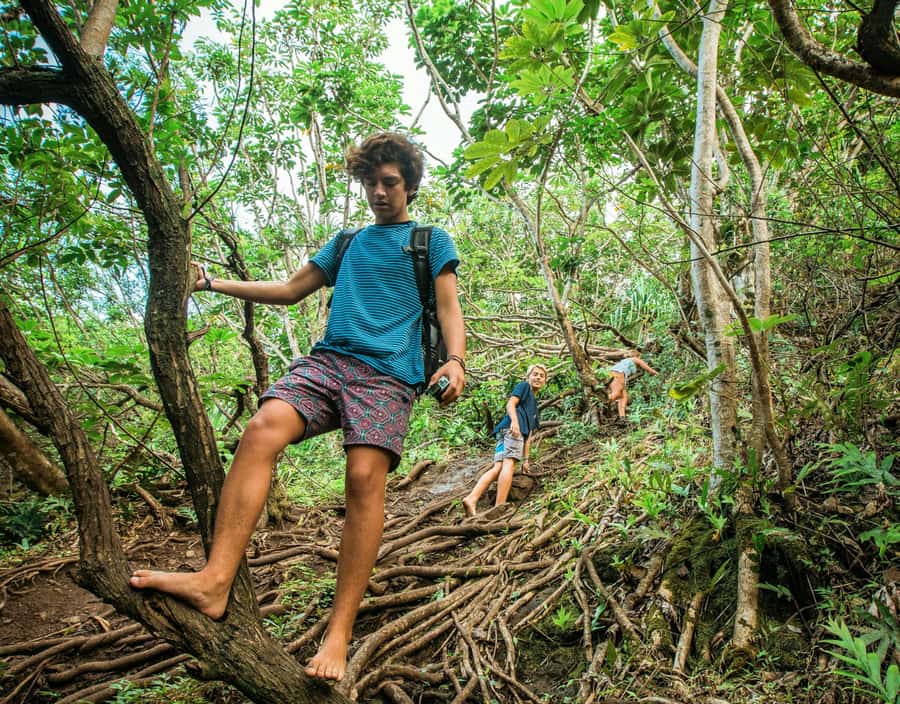
One thing to plan for: this is real trekking. Expect 5–7 hours on uneven terrain each day, with basic camps, and you should assume showers may be cold in the highlands.
In This Review
- Key things you’ll remember
- Why this Karen trek feels like a homestay, not a tour
- Getting from Chiang Mai: early pickup and a mountain day start
- Day 1: Forest paths, waterfall lunch, and campfire cooking
- Day 2: Wildlife forest, a village lunch, and overnight culture exchange
- Day 3: Up to five swimming waterfalls and a calm farewell meal
- Guides make the difference: plants, animals, and safe pacing
- Camps, showers, and the off-grid reality you should plan for
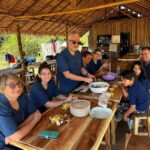
- Food: local, simple, and built for energy
- Price and value: is $158 a fair deal for 3 days?
- Packing list that actually helps (and what to prioritize)
- Who should book this Karen hill tribe trekking experience
- Should you book this tour?
- FAQ
- How long is the trek, and how many nights do you stay in villages?
- Is swimming included?
- What fitness level do I need?
- How big is the group, and what languages are used?
- What’s included in the price?
- What food and drinks should I plan for?
Key things you’ll remember
- Community-owned trails and village camps (rare access, respectful rules)
- Waterfall lunches wrapped in banana leaves with time to cool off
- Village-to-village cultural exchange and hands-on cooking sessions
- English-speaking Karen guides such as Jungle Boy and Pepe
- Up to five swimming waterfalls on Day 3
- Off-grid feel (limited signal and uncertain electricity depending on the spot)
Why this Karen trek feels like a homestay, not a tour
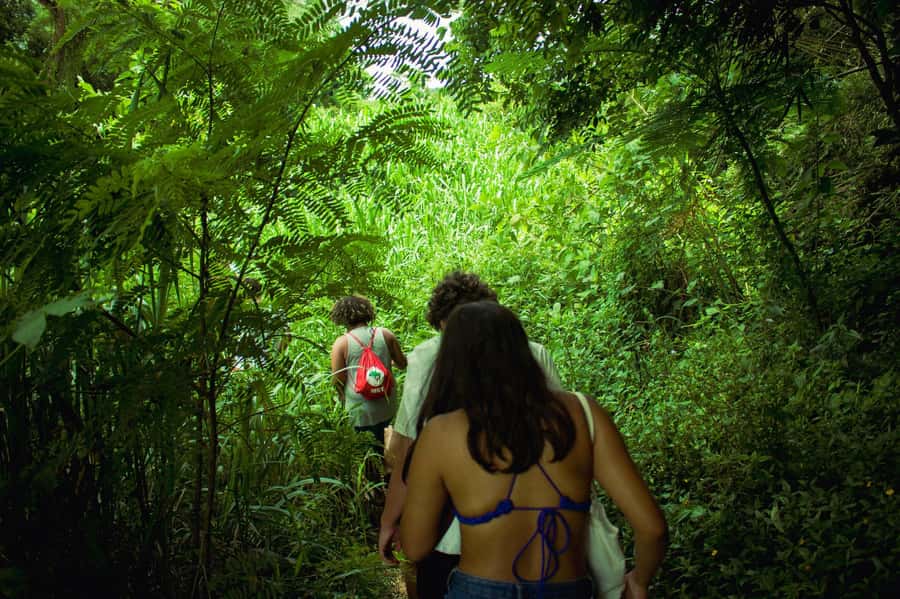
If you’ve ever done a day trip where you rush in, take photos, and leave, this will feel different. The rhythm here is slower and more personal because the trek is run by a Karen family using their own land. That changes the mood. You’re not just observing village life—you’re sharing it.
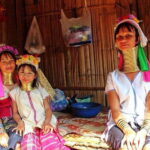
You’ll walk through forests, bamboo groves, and rice paddies, but the center of gravity is the people. Expect modest village rules, photo etiquette (ask first), and time in homes where daily routines matter. The cultural activities aren’t framed like a performance. You learn by helping, eating, and chatting.
And yes, the scenery is gorgeous. But what makes it worth your time is how the hike stays grounded in community life—camp dinners near firelight, cooking with herbs you picked earlier, and stories that come from people who actually live there.
You can also read our reviews of more hiking tours in Chiang Mai
Getting from Chiang Mai: early pickup and a mountain day start
Your day begins in Chiang Mai with hotel pickup and drop-off, and the tour runs with a schedule based on where your hotel sits. You’ll typically be picked up around the morning window (central Chiang Mai earlier, outer areas later). You should be ready in the lobby roughly 10 minutes ahead of your slot.
This matters because the hike days are long. When you start early, you avoid trekking in the worst heat for longer stretches. You also have daylight for waterfall stops and safer footing on uneven paths.
After pickup, there’s usually a quick market stop before you drive up toward the mountain villages. It’s a practical setup: you’ll have what you need for the day, then you transition into the quieter world of Doi Inthanon.
Day 1: Forest paths, waterfall lunch, and campfire cooking
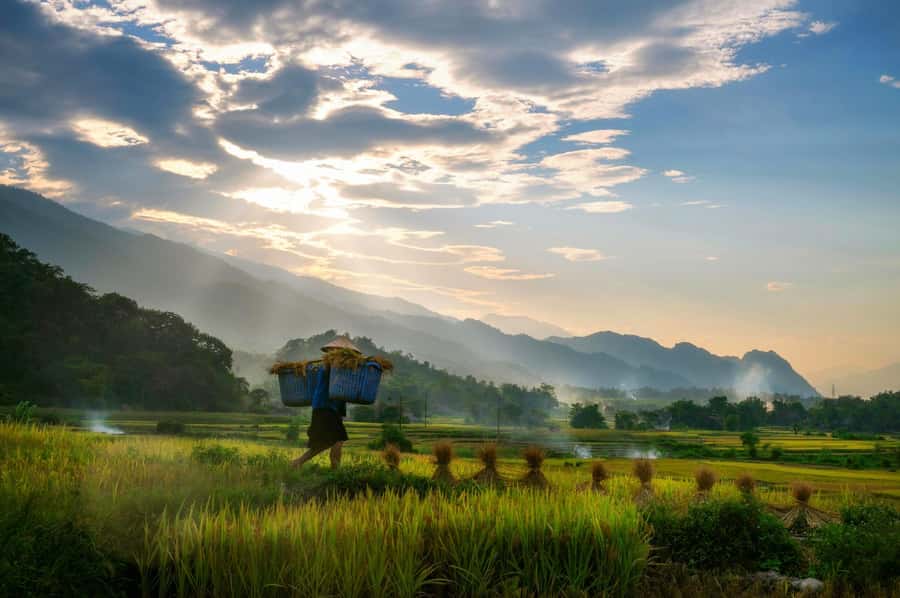
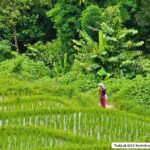
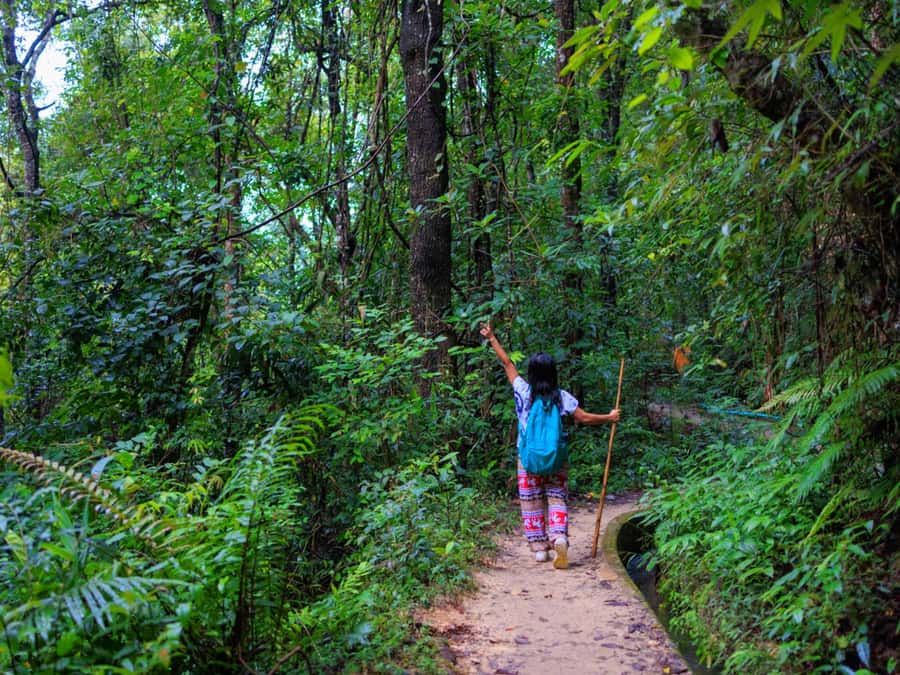
Day 1 is the first real test of legs, and that’s a good thing to know up front. You start hiking from a mountain village owned by your host family, then move through private farmland, dense forest trails, bamboo groves, and rice paddies.
What you’re doing on Day 1 isn’t only walking. Your guide explains how local plants are used—passed down knowledge that you would never guess just by looking at a leaf. People often talk about how guides make short stops that turn a normal hike into a walking classroom: fruits, herbs, and critters (including things like spiders and scorpions, which you’ll likely hear about before you see them).
Waterfall lunch is a highlight. You’ll eat near a jungle fall, and the food may be wrapped in banana leaves. That’s not just a cool detail—it keeps the meal simple, local, and tied to the setting.
Then comes the camp. You trek onward to a remote forest camp near a waterfall area, where you help with dinner using herbs your guide gathers. The evening often centers on a campfire and starry skies, which is exactly why an unplugged trek is worth it: no pressure to entertain yourself.
Possible Day 1 drawback: if you’re expecting an easy “nature stroll,” this day can feel steeper and more tiring than advertised. Build in pacing, drink water, and keep your pack tight and light.
Day 2: Wildlife forest, a village lunch, and overnight culture exchange
Day 2 starts with breakfast and a trek through forest that can be wildlife-rich. The route is described as a habitat for animals such as gibbons, macaques, and Asiatic black bears, so your guide will watch the surroundings and keep your eyes moving.
You hike about 3 hours to a Karen village where you stop for lunch and cultural exchange. This is one of the best parts of the whole program because you’re not rushing through. You get to see how people live and how they relate to outsiders—with boundaries, rules, and mutual respect.
In the afternoon, the hike continues deeper into the hills (around 4 hours) to reach a second village for the overnight stay. This is where you get real day-in-the-life learning: traditional clothing, cooking methods, and what daily life looks like from inside the home.
In some cases, the hosts you meet may include family members of your guide—parents or siblings. When that happens, the conversation has extra texture. You learn not only what people do, but why they do it.
Evenings on Day 2 tend to revolve around fireside time and shared stories. It’s also when small-group dynamics show up: with a limit of 15 participants, you’ll usually get chances to talk without feeling like you’re in a crowded bus.
Day 2 possible drawback: the second half of the day includes more walking on hills. If your body runs hot or your knees don’t like steep descents, this is the time to take it slow and use your trekking rhythm.
Day 3: Up to five swimming waterfalls and a calm farewell meal
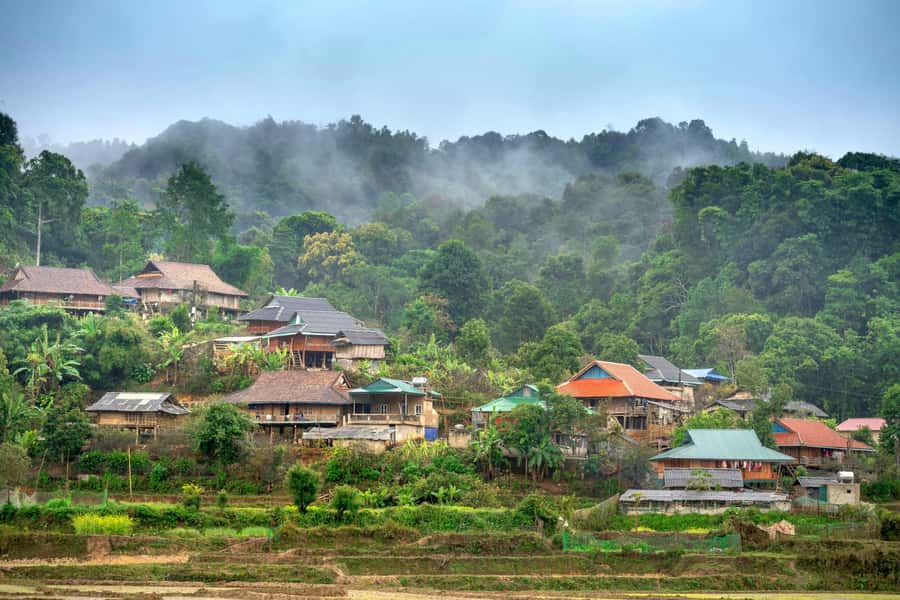
Day 3 is long—often around 6–7 hours of trekking—but it can feel different because you’re moving across gentler farmland and mixing rugged sections with cloud forest vibes.
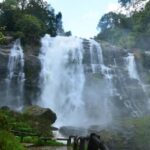
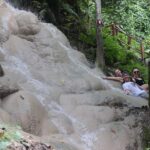
You’ll pass local farms and farmland, then reach the big visual payoff: visiting up to five natural waterfalls, all suitable for swimming. This is where the trip earns its “active” label. You can change from hiking mode into cooling-off mode several times, depending on conditions and timing.
Swimming is optional in the sense that you can pause, cool down, and dry off, but the route gives you the chance to do it. If you pack swimwear, you’ll thank yourself later.
The day ends with a peaceful final meal by the water, followed by pickup back to Chiang Mai. That ending matters. After two days of walking and sharing, it’s satisfying to sit and feel like you’re leaving on your own terms—not rushing out the door.
Day 3 possible drawback: the final day is still physical. Even if the terrain is varied, you’re not doing a short “finish line” hike—you’re still moving for most of the day.
You can also read our reviews of more tours and experiences in Chiang Mai
Guides make the difference: plants, animals, and safe pacing
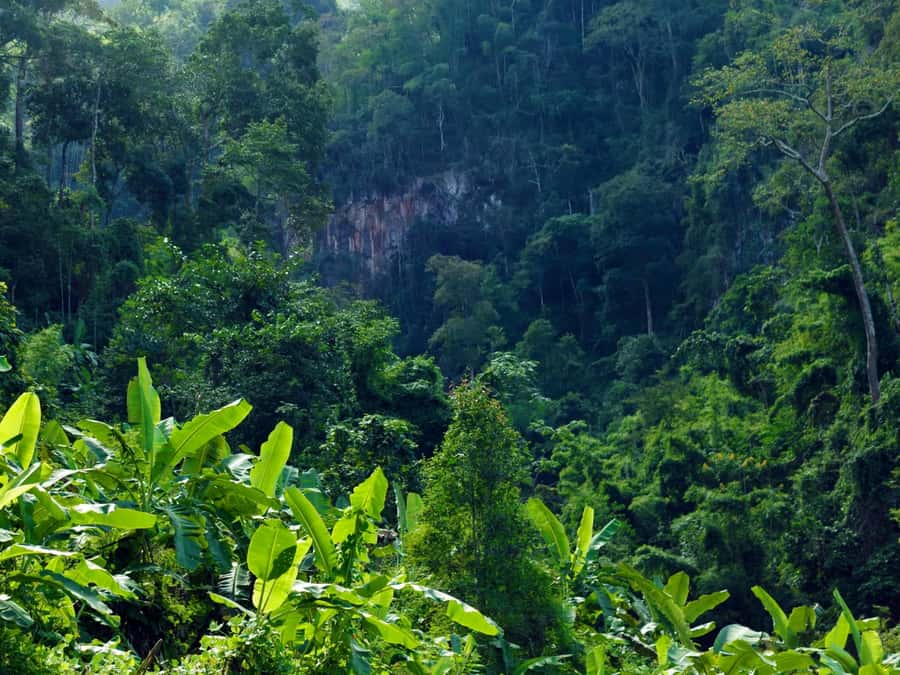
The guides are a major part of the value here. The experience is family-run and guide-led, so you get explanations that match the land you’re walking on.
From what’s been shared, guides do several high-value things well:
- Frequent micro-stops to show fruits, herbs, and useful plants
- Animal awareness, so you notice what’s around instead of just watching trails
- Practical safety and pacing, especially for small groups moving on uneven ground
- Comfortable social energy at camp and in the evening, so it feels human, not robotic
Names that come up in feedback include Jungle Boy and Pepe, and they’re remembered for knowledge plus a friendly, guiding presence. You should still do your part: hike at a pace you can sustain and tell your guide if something hurts early.
Camps, showers, and the off-grid reality you should plan for
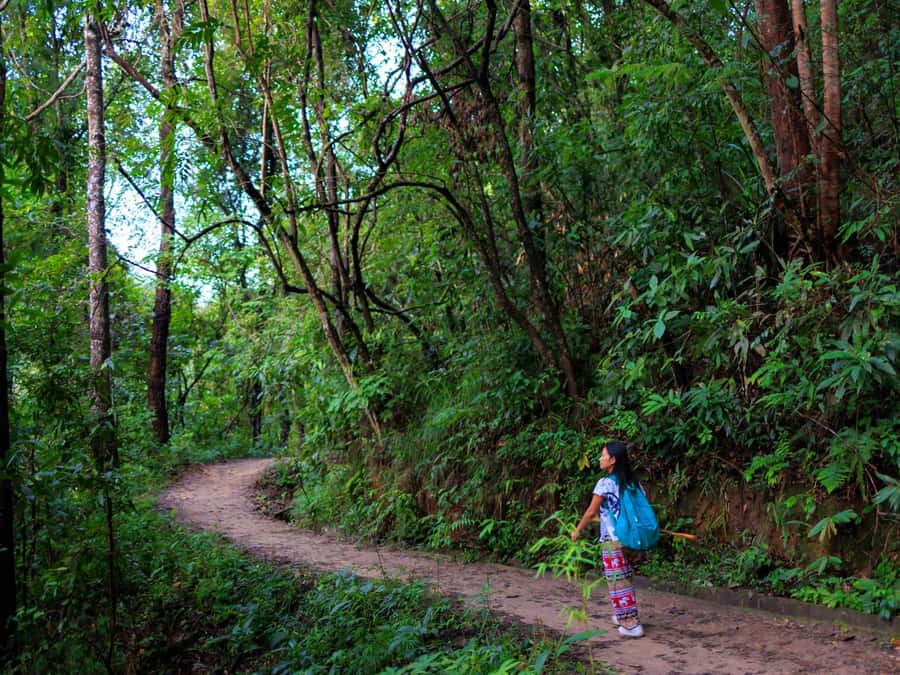
The tour is described as off-grid: no electricity, no internet, and limited mobile signal. But real-world experiences aren’t always identical. Some people report electricity at the camp spots, which suggests power access may vary by location or day.
Treat that as guidance, not a promise. Pack for the worst-case scenario: expect limited charging, and plan on taking photos with what you bring.
Camps are basic but comfortable, with bedding. You’ll likely get mosquito nets. That helps. Still, you should be ready for the sensory reality of jungle nights—bugs, damp air, and cold evenings depending on season.
Cold showers are common in the highlands. Reviews specifically mention cold showers, so I’d pack like you’ll be washing quickly and moving on.
Practical camp tip: bring a towel and some toilet paper. Toilet paper isn’t listed on the main packing list here, but it’s explicitly recommended by people who’ve done the trek. You don’t want to improvise after a long day.
Food: local, simple, and built for energy
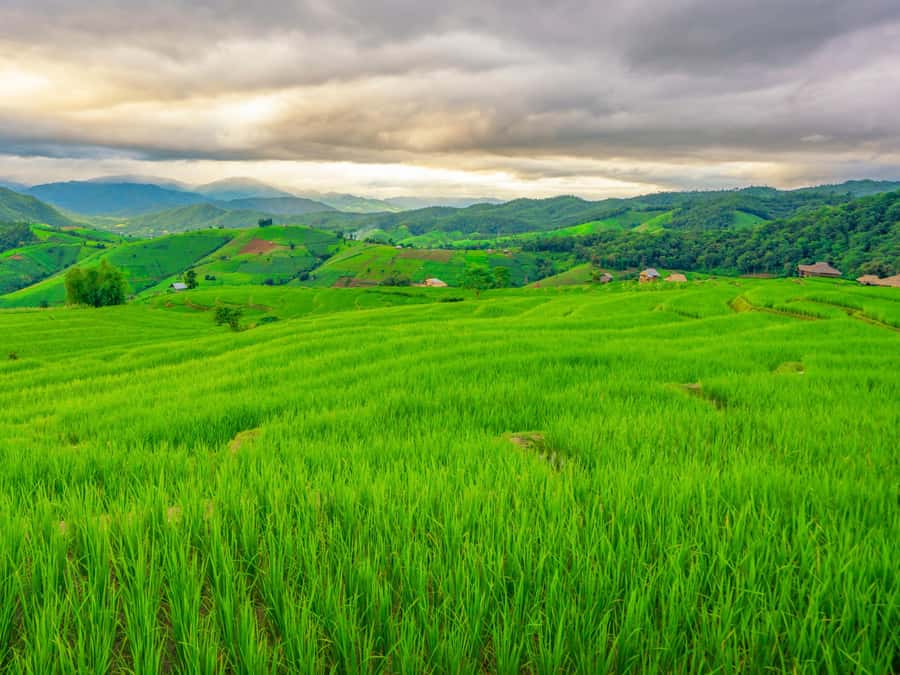
Food is included across the 7 freshly prepared meals (from Day 1 lunch through Day 3 lunch). Expect simple ingredients that match the setting, not fancy plating.
A typical flow:
- Waterfall or jungle-side meals on hiking days
- Breakfast before long trail stretches
- Dinner where you help cook with herbs
- Village meals during cultural exchange time
People often describe the food as delicious and plentiful even if it’s not heavy on variety. That makes sense for a trek: you need calories, not menus.
Dietary preferences can be accommodated if you share them in advance. Do that early, because changing meals in a remote setting isn’t like ordering from a restaurant.
One more note: drinks aren’t included. Bring water needs in mind, and also consider carrying some cash. One practical warning from past participants: villagers may only accept cash for small things like water.
Price and value: is $158 a fair deal for 3 days?
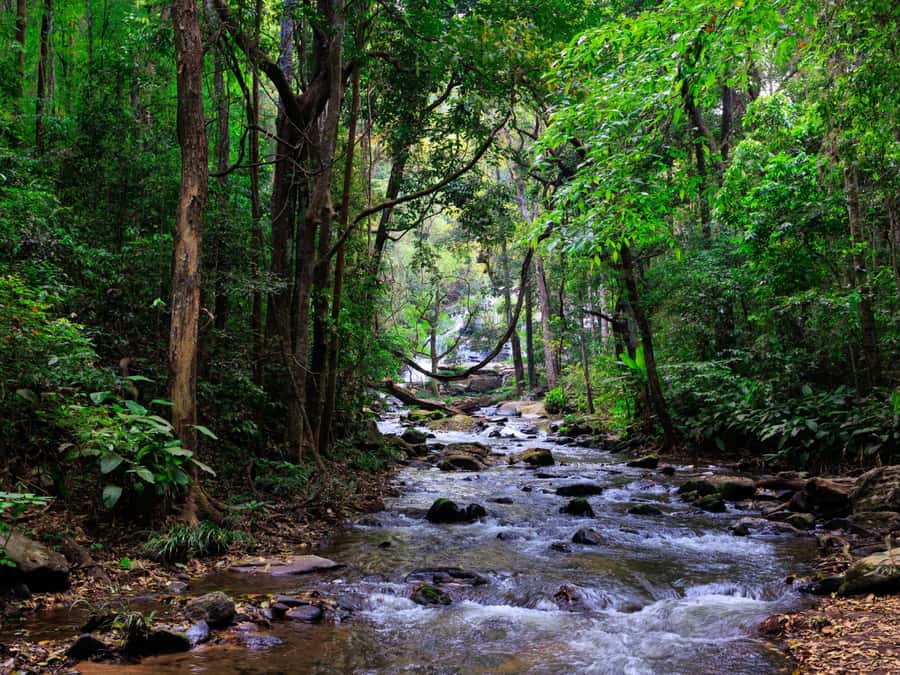
At $158 per person for 3 days / 2 nights, the price looks modest when you break down what’s included:
- Hotel pickup and drop-off
- Two overnight stays in different Karen village camps
- Guiding by an experienced English-speaking local Karen guide
- 7 meals
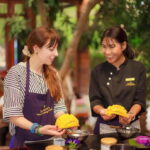
- Cultural activities and hands-on cooking
- Accident insurance coverage during the trek
- Small-group hiking with a cap of 15 participants
The value is tied to logistics you’d struggle to organize yourself: access to community-owned trails, village hosting, and guide knowledge that turns a walk into a learning experience.
The trade-off is that this isn’t a comfort-first product. Camps are basic. Showers may be cold. You’ll hike hard days. If you want glossy amenities and a “hotel bed every night” rhythm, you’ll feel it here.
If you want a genuine nature + culture blend with a community-run structure, the price feels like it fits the real costs.
Packing list that actually helps (and what to prioritize)
This trek will punish a heavy bag. You’ll want a small, well-organized daypack and hiking shoes.
From the provided list, I’d prioritize:
- Hiking shoes (non-negotiable on uneven jungle terrain)
- Insect repellent, sunscreen, and a hat
- Long pants plus a long-sleeved shirt (sun and bugs)
- Rain jacket if you’re traveling in wetter months
- Swimwear and a towel (waterfall swims are part of the point)
- A jacket for cooler evenings
- Insect-friendly light layers and spare clothes for changing after water
- Toiletries and anything you personally need (including personal medication)
Bring a jacket and some warm layers especially in cooler season travel. Also pack snacks if you know you get hungry between meals on long hikes.
Finally, follow the rules: no smoking, no intoxication, and no alcohol/drugs. It’s part of keeping a respectful environment for the families hosting the trek.
Who should book this Karen hill tribe trekking experience
This is a strong fit if:
- You like active travel and can handle 5–7 hours of trekking some days
- You want cultural exchange that’s lived, not staged
- You’re comfortable with basic camps and limited connectivity
- You’re interested in learning how locals use native plants and how village life works
It may not be the right fit if you:
- Have back problems, mobility impairments, heart problems, or need easier terrain
- Are traveling with children under 12
- Want a low-effort day trip
Also, if you’re sensitive to cold showers, plan your expectations. You can still enjoy the experience, but you’ll do it with your eyes open.
Should you book this tour?
If you want a Chiang Mai trek that’s more about people and place than about photos, I think this is a good choice. The $158 price lines up well with what you get: guided hiking, village-hosted nights, meals, and cultural learning tied to community-owned land.
Book it if you’re ready for a moderate fitness challenge, basic overnight conditions, and long days outside. Skip it if you need comfort, easy walking, or predictable amenities.
If you go, do yourself a favor: pack light, bring swimwear, carry cash for small extras, and ask before photos in villages. That respect is the key that makes the whole experience work.
FAQ
How long is the trek, and how many nights do you stay in villages?
It’s a 3-day trip with 2 nights. You’ll have two overnight stays in different Karen hill tribe village camps.
Is swimming included?
Yes. Day 3 includes visiting up to five natural waterfalls, all suitable for swimming, and you’ll have opportunities to cool off along the way.
What fitness level do I need?
A moderate fitness level is required. Expect about 5–7 hours of trekking per day on uneven jungle terrain.
How big is the group, and what languages are used?
The group is kept small, limited to 15 participants. The live guide speaks English and Thai.
What’s included in the price?
Hotel pickup and drop-off in Chiang Mai city, the guided 3-day trekking experience, two overnight stays, 7 prepared meals, an English-speaking local Karen guide, cultural activities and hands-on cooking sessions, and accident insurance during the trek.
What food and drinks should I plan for?
Meals are included (from Day 1 lunch to Day 3 lunch). Drinks are not included, so you should budget for them and also bring some cash for small purchases in villages.