REVIEW · CHIANG MAI
Chiang Mai Cooking Class
Book on GetYourGuide →Operated by TTWU Company Limited · Bookable on GetYourGuide
Market first, then cook your own Thai meal. In this Chiang Mai cooking class, the day starts with a short market visit where the chef helps you pick ingredients, then you shift into a hands-on Thai kitchen lesson. I especially like the vegetarian, vegan, and gluten-free friendly options, so you are not stuck with a watered-down menu. One consideration: the total time is about 5 hours, so it can feel like a full chunk of your day if you prefer lighter activities.
I also like the small group setup, limited to 10 participants, which means you can actually get answers while you cook instead of staring at the back of someone else’s wok. The format is easy to follow: you learn about Thai cooking and the menu, then you cook with ingredients provided. A possible drawback is that you should plan on eating the work you do—there is a lot of food built into the class flow.
You may meet your instructor first as an English-speaking chef, often with a lively teaching style. In one recent class, the chef named Opal led the market tour and kept the whole session fun, with clear explanations that made the dishes easier to repeat later.
In This Review
- Key things you’ll notice right away
- The big idea: learning Thai cooking the useful way
- From Chiang Mai Old Town pickup to the market visit
- The local market stop: where flavor starts
- Choosing vegetarian, vegan, or gluten-free dishes
- Inside the cooking class: Thai kitchen basics before you cook
- What you’ll cook: the dish categories that create a full meal
- Open-air Thai cooking setup: comfort and practical notes
- Price and value: what $45 covers in real terms
- Who this Chiang Mai cooking class is best for
- Tips to get better results from day one
- Should you book this Chiang Mai cooking class?
- FAQ
- How long is the Chiang Mai cooking class?
- Where do you get picked up in Chiang Mai?
- Is this a private cooking class?
- Can I cook vegetarian, vegan, or gluten-free dishes?
- What languages are used during the class?
- What’s included in the $45 per person price?
- Is free cancellation available?
Key things you’ll notice right away
- A market stop that’s actually practical: you shop with your chef, not just take photos.
- Choice-driven menu categories: you can pick your dishes from set categories rather than just follow one script.
- Dietary flexibility: vegetarian, vegan, and gluten-free options are available for the class cooking.
- Small group pacing: limited to 10 people, so hands-on guidance stays focused.
- Chef-led Thai kitchen context: you learn the menu and basics of Thai cooking before you start cooking.
The big idea: learning Thai cooking the useful way
A good Thai cooking class should do two things. First, it should teach you how flavors get built—sweet, sour, salty, spicy—using real Thai ingredients. Second, it should help you make choices, so you are not copying a single dish that might not match your tastes.
This one is built around both. You get a local market visit where your chef helps you buy groceries for the class, which is exactly where many home-cooking lessons usually fall apart. Then you jump into a guided, hands-on class using all the ingredients. Because you can choose vegetarian, vegan, or gluten-free dishes, the lesson stays relevant even if your diet is picky.
The class lasts 5 hours, which is long enough to feel like you cooked something real, not just watched demos. You’ll likely come away with several dishes and enough practice to understand what you are doing, not just what the recipe says.
You can also read our reviews of more cooking classes in Chiang Mai
From Chiang Mai Old Town pickup to the market visit
After booking, the experience manager contacts you to confirm the booking. From there, pickup is included within the Chiang Mai Old Town area. This matters more than it sounds. Chiang Mai traffic and parking can be annoying, and staying local for pickup means you spend time learning instead of bargaining with transport.
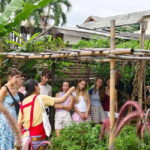
Once you’re picked up, the chef leads the next part: a vegetable market tour. The chef helps you buy the groceries you’ll use in your dishes. If you like cooking, this is the part you’ll remember. You see ingredients in context—how they look, how they’re used, and what matters when you’re buying.
If you prefer a more private setup, you can request it separately. The standard format is a small group, so private classes are a good fit if you want one-on-one pacing or a more customized menu.
The local market stop: where flavor starts
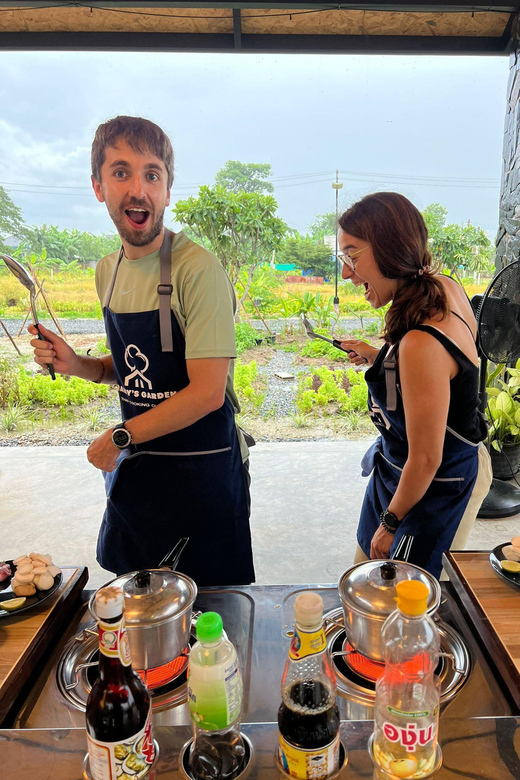
The market visit is short, but it is the right kind of short. You are not aimlessly wandering. You’re walking with the chef while they help select ingredients for the recipes you’ll cook later.
Here’s why this step is valuable:
- You learn what ingredients are essential versus optional.
- You get a sense of how Thai cooks think about freshness and balance.
- You can ask questions in the moment, which is easier than trying to guess later.
In at least one class, the tour happened before an open-air cooking setup outside Chiang Mai. That order makes sense: you shop first, then you cook with a clear connection between ingredient and dish.
Practical tip: bring a light layer. Markets can be bright and warm, and cooking spaces can be a different temperature once you start working.
Choosing vegetarian, vegan, or gluten-free dishes
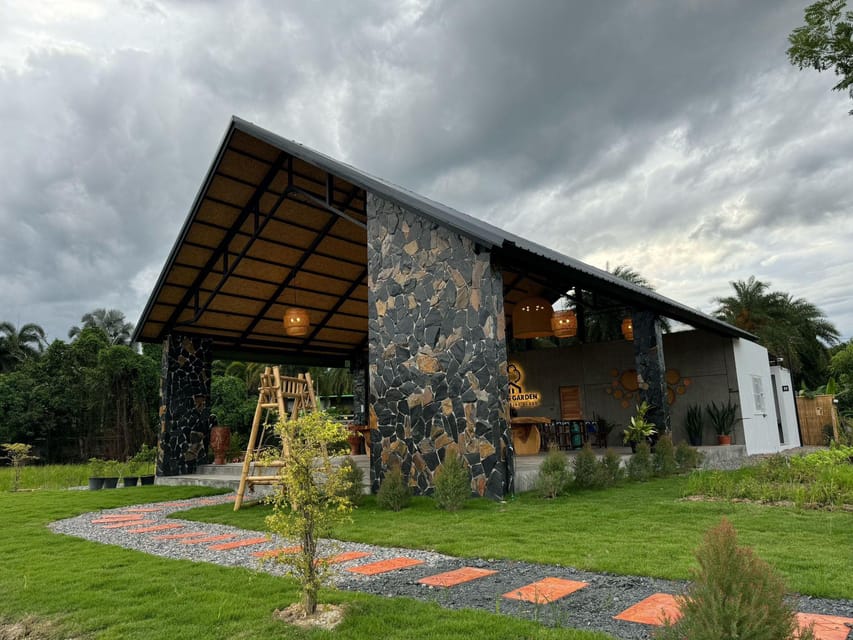
One of the most useful features here is that you can choose vegetarian, vegan, or gluten-free dishes. That’s not just a label. It changes what you’ll cook, and it keeps the menu from turning into a last-minute compromise.
You’ll be given options for what you can prepare, and your chef will guide you through the Thai kitchen logic behind the dishes. In a recent class, the structure let participants choose from set categories—so you still feel like you are making your own meal, not just substituting one item.
This is a great fit if:
- you want Thai cooking skills you can use at home,
- you avoid meat or dairy,
- you need gluten-free options and want guidance from an instructor.
If you have strict allergies, I suggest you mention them clearly when you confirm the booking or during the class introduction, since the class ingredients are provided and the chef is the one deciding what fits.
Inside the cooking class: Thai kitchen basics before you cook
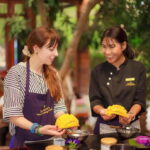
Once the market stop is done, you head to the class location and join the other participants. The chef introduces the Thai kitchen, including some background and an explanation of the menu in detail. That prep time helps a lot, because it gives you a mental map of what you’re about to do.
Then comes the hands-on part. The class is designed so you work through several different dishes rather than only focusing on one specialty. Since the group is capped at 10 participants, you are more likely to get help when a technique goes off track.
In one recent experience, the instructor Opal was described as lots of fun and good at teaching dishes clearly. That’s exactly what you want from a cooking teacher: not just the recipe, but the understanding of timing and technique.
Typical cooking classes can feel chaotic if you are new to Thai cooking. Here, the flow is structured, and the menu categories help you stay oriented.
You can also read our reviews of more tours and experiences in Chiang Mai

What you’ll cook: the dish categories that create a full meal
You’ll build a meal across multiple categories. In one class, participants selected:
- one appetizer
- one soup
- one rice or noodle dish
- one curry
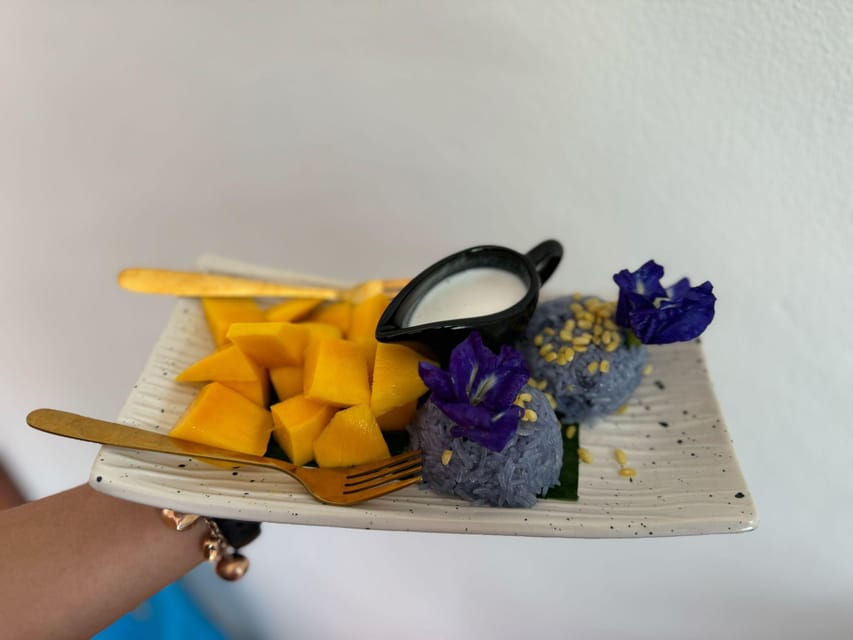
- mango sticky rice for dessert
That setup is smart for two reasons. First, it gives you a broad taste of Thai cooking styles: fresh starters, warming soups, carb bases, curry flavor depth, and then the sweet finish. Second, it helps you learn patterns. After you make one curry, for example, you start recognizing how aromatics and seasoning work together—so the next curry-level step feels less mysterious.
Also, expect lots of food and a pace that keeps you moving. One person called out that the class included a lot of servings and worked at a good overall speed. That matches the 5-hour format: enough time to cook properly without dragging into an all-day event.
Where the class shines is in how it connects dish planning to real cooking. You are not just learning one dish; you’re learning how multiple Thai dishes fit together on a table.
Open-air Thai cooking setup: comfort and practical notes
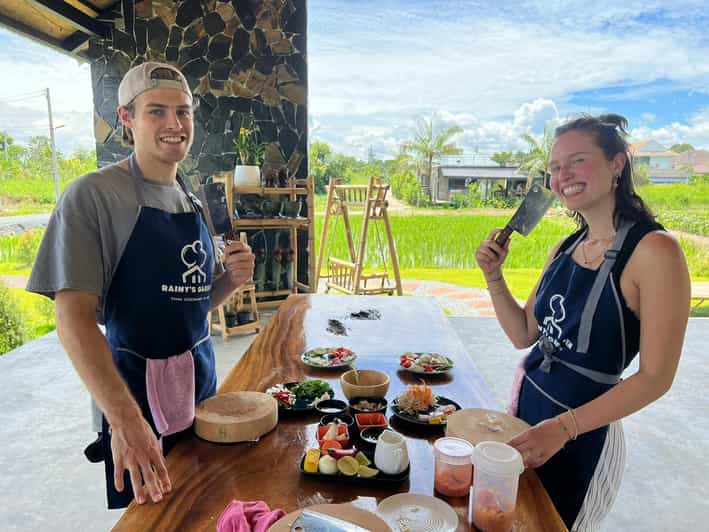
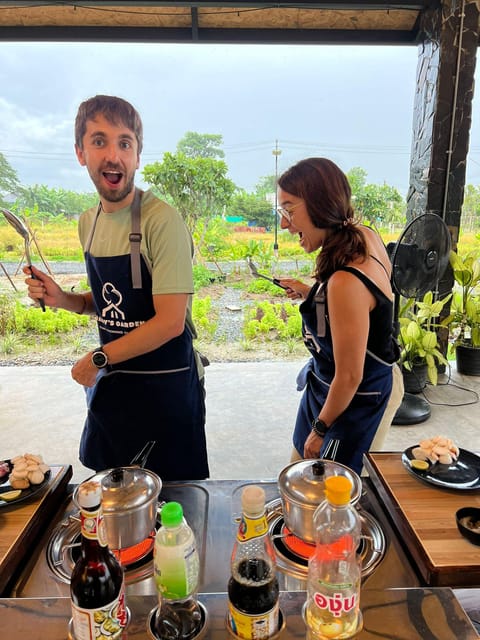
One class description included an open-air cooking location outside of Chiang Mai. Even without assuming every class is identical, open-air setups are common in this kind of lesson. That can be a plus. It often feels more relaxed and less like a classroom.
The practical trade-off is weather. If it’s hot, you’ll want to hydrate. If it’s breezy, you may find sauces and steam behave differently than they do indoors. The chef’s guidance is what keeps things on track.
Comfort tip: wear shoes you don’t mind getting a little tired after standing and cooking. Also, if you have long hair, tie it back so it stays out of your cooking zone.
Price and value: what $45 covers in real terms
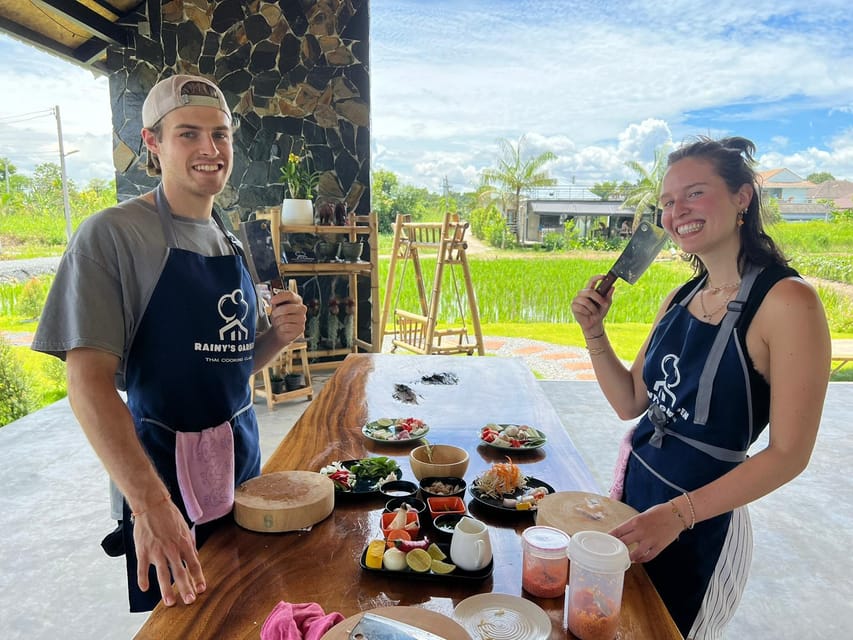
At around $45 per person for a 5-hour experience, this class is priced like a mid-range activity, but the inclusions do a lot of heavy lifting:
- hotel pickup and drop-off within Old Town
- visit to a local market
- hands-on cooking class
- all ingredients for cooking
- a local chef/instructor
- small group instruction (max 10)
When you break it down, the real value isn’t just the cooking. It’s the combination of market guidance plus ingredient access plus structured instruction. Many classes either give you a kitchen session without shopping, or they give you a tour without actual cooking practice.
If you are traveling with food goals—learning to reproduce Thai flavors later—this format saves you time and guesswork. You’ll also likely eat well during the class, which is a hidden value point.
Who this Chiang Mai cooking class is best for
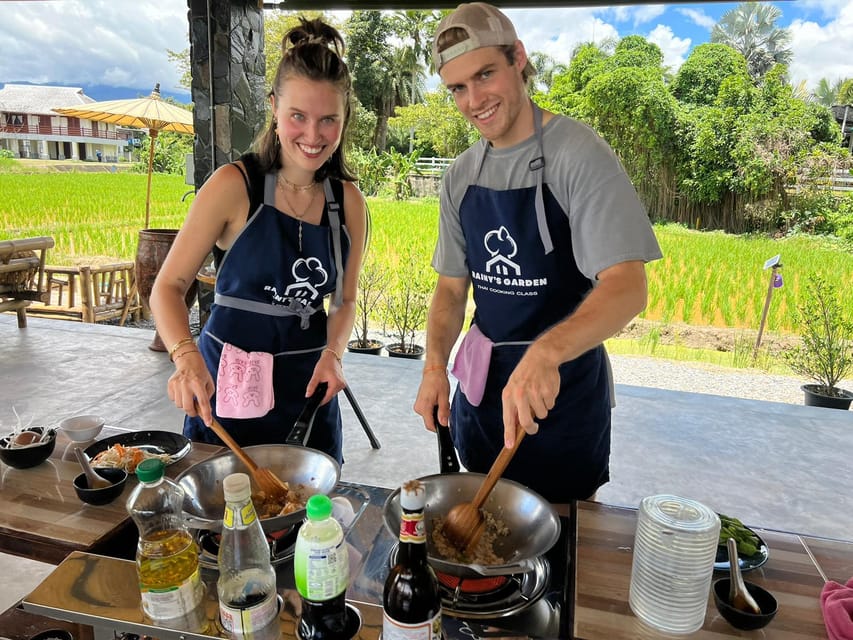
This is a strong choice if you want Thai food training with a practical structure. I think it suits:
- first-time visitors to Chiang Mai who want an authentic-feeling activity beyond temples and night markets
- people who learn best by doing, not just watching
- vegans, vegetarians, or anyone needing gluten-free options handled by the chef
- food lovers who want to understand the menu, not only follow steps
If you hate group activities, this might feel like too much time with other people. But with a cap of 10 participants, the class is built to avoid the worst version of that problem.
Tips to get better results from day one
You’ll get the most out of the class if you treat it like a skill session, not a sightseeing stop. A few things that help:
- Come hungry. With multiple dishes and dessert built into the flow, you’ll likely eat what you cook.
- Be clear about dietary needs when you arrive. The class supports vegetarian, vegan, and gluten-free, but you should still confirm what you want.
- Watch how your chef adjusts seasoning. Thai cooking is all about balance. The explanations during the menu introduction are often where the learning clicks.
- Ask what to do if an ingredient is hard to find back home. Since you shop with the chef, you’ll have better reference points for substitutions.
Should you book this Chiang Mai cooking class?
I’d book it if your ideal day includes real food learning, not just a demonstration. The market component plus the chef-guided, hands-on class structure is exactly the combo that makes cooking lessons stick. The small group limit and the ability to choose vegetarian, vegan, or gluten-free dishes are also big deal advantages.
Skip it only if you can’t spare a full 5 hours or you prefer self-guided wandering with zero structure. Otherwise, this is a practical way to take home Thai cooking skills you can use long after Chiang Mai fades into memory.
FAQ
How long is the Chiang Mai cooking class?
The experience lasts 5 hours.
Where do you get picked up in Chiang Mai?
Pickup is included within the Chiang Mai Old Town area.
Is this a private cooking class?
The class is set up as a small group limited to 10 participants. For a private class, you can contact the provider separately.
Can I cook vegetarian, vegan, or gluten-free dishes?
Yes. The class is vegetarian, vegan, or gluten-free friendly, and you’ll have options to prepare dishes based on your preference.
What languages are used during the class?
The instructor speaks English and Thai.
What’s included in the $45 per person price?
You get hotel pickup and drop-off in Old Town, a visit to a local market, a hands-on cooking class, all ingredients for cooking, and a local chef.
Is free cancellation available?
Yes. You can cancel up to 24 hours in advance for a full refund.