REVIEW · CHIANG MAI
Chiang Mai Countryside E-bike Ride with Expert Guide & Lunch
Book on GetYourGuide →Operated by Discova Thailand · Bookable on GetYourGuide
Morning pedals, then a train ride twist. This Chiang Mai countryside e-bike tour mixes easy assisted cycling with temple stops like Phra That Hariphunchai and a break that feels refreshingly local—simple Thai lunch by the Ping River. I like that it’s not just a photo loop: you get countryside lanes, village life, and viewpoints spread across the day.
Two things I’d specifically highlight are the top-of-the-line e-bikes (made for real hills and stop-and-go pacing) and the way the schedule strings together meaningful sights without rushing you through them. You’ll also learn from expert guides—names like Gun and Farm show up often, and the common theme is patience plus solid safety care.
One consideration: this is still an active day. Even with pedal assist, it can feel like more biking than you expect, and there are height limits—this tour isn’t recommended if you’re shorter than 170 cm.
In This Review
- Quick Reasons You’ll Like This Ride
- Train + E-Bike Rhythm: Why This Tour Feels Different
- Phra That Hariphunchai: The Golden Chedi Stop You’ll Remember
- Cutting Across the Ping: Countryside Cycling Without the Stress
- Umong Forest Temple Tunnels: A Quiet, Different Kind of Wow
- Ban Tawai Woodcarving Village: Watch Hands Work
- Doi Suthep-Pui National Park + Royal Park Rajapruek Photos
- Price and Value: Is $75 Worth It?
- What 7 Hours Feels Like on an E-Bike (And How to Prep)
- Before You Go: The Passport/Height Rules That Matter
- Group Size, Guides, and the Safety Vibe
- Should You Book This Chiang Mai E-Bike Day?
Quick Reasons You’ll Like This Ride
- Train to Lamphun first: you start with a local rail segment before cycling into the countryside
- Phra That Hariphunchai’s golden chendi: one major temple stop with major presence
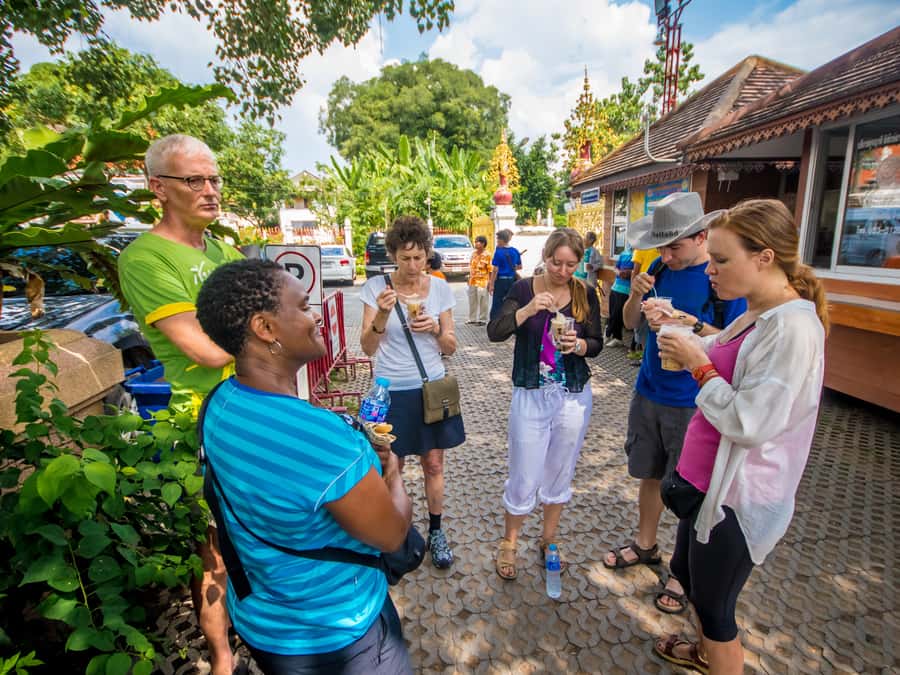
- Ping River village lunch: straightforward Thai food with drinks, in a calmer setting
- E-bike support that changes the day: real pedal assist so you can keep moving comfortably
- Ban Tawai woodcarving village walk: craftsmanship you can actually look at up close
- Rajapruek Park photo time: a paced finish with a scenic stop before heading back
Train + E-Bike Rhythm: Why This Tour Feels Different
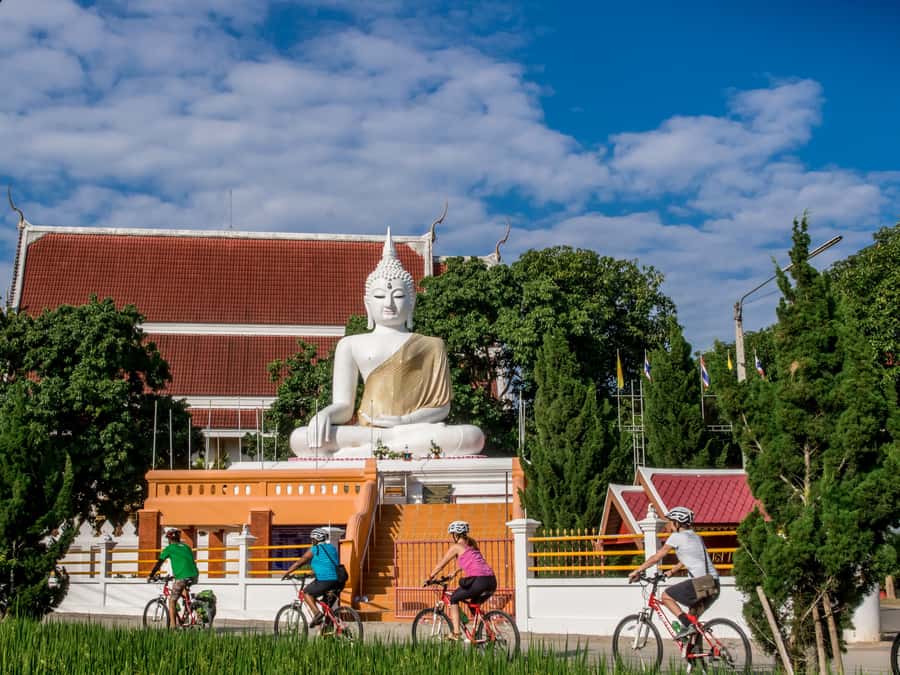
This tour doesn’t start the usual way. Instead of jumping straight onto roads, you meet at the Discova Chiang Mai Day Tour Shop near Chang Puak Gate (north gate) and roll out fast—8:30 AM sharp—because there’s a train to catch.
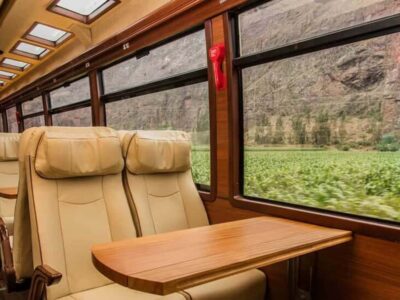
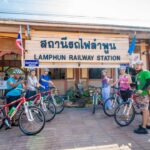
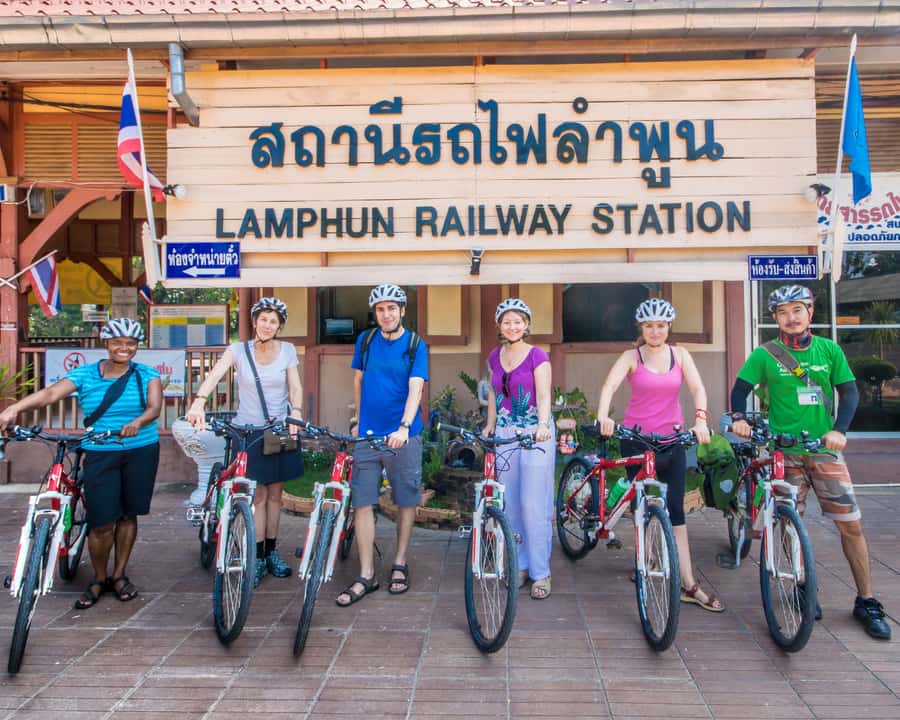
That train ride is more than a shortcut. The plan is to bike to the station, then take a ~30-minute train south from Chiang Mai to Lamphun with your e-bike aboard. You’ll spend that time watching ordinary Thailand pass by, not just temples and tour booths.
Once you’re off the train, you transition into a steady cycling flow through quiet streets and along the ancient-city edge. The pacing matters. You’re not stuck in stoplight chaos all day, and you’re not exhausted before your first big sight.
And yes, you’ll feel the difference between “I’m on a tour bus all day” and “I’m actually moving through the region.” With e-bike assistance, you can focus on the sights instead of only grinding pedals.
You can also read our reviews of more cycling tours in Chiang Mai
Phra That Hariphunchai: The Golden Chedi Stop You’ll Remember
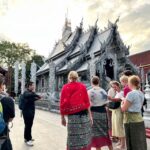
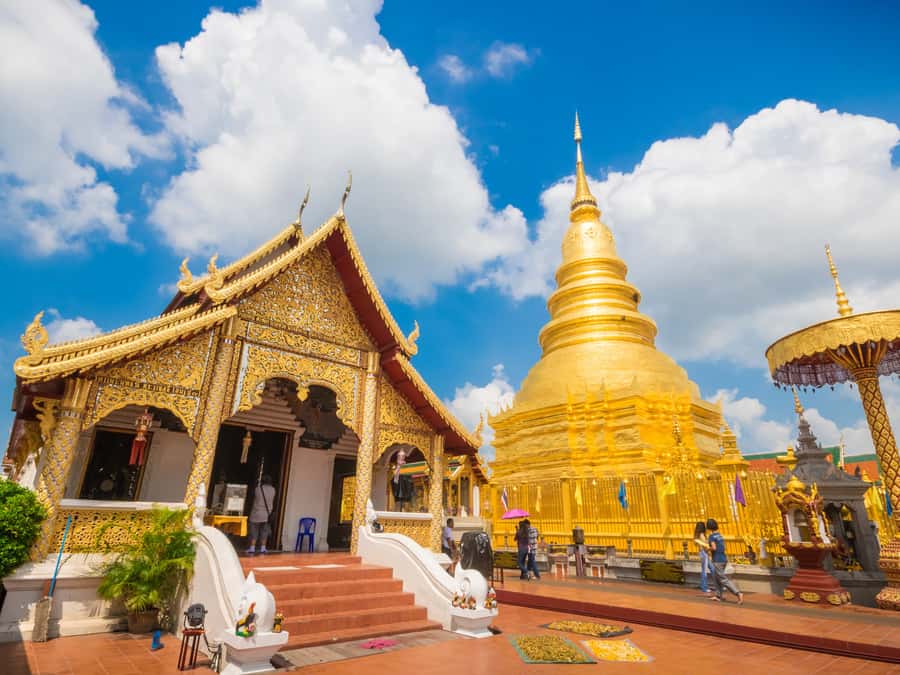
After cycling from Lamphun’s station area past the ancient city wall, you reach Wat Phra That Hariphunchai Woramahawihan—home of Phra That Hariphunchai and its imposing golden chendi.
This stop works for a couple reasons:
- It’s visually dominant, so you know you’re at a major place right away.
- It’s guided, which helps you understand what you’re looking at rather than just snapping pictures.
You’ll have about an hour for a visit with a guide. That’s enough time to get your bearings, look at key details, and still feel like you experienced it instead of just ticking it off.
If you’re the type who likes temples but hates being rushed, this is one of the better balances on a full-day itinerary.
Cutting Across the Ping: Countryside Cycling Without the Stress
This is where the tour becomes truly “countryside,” even though you’re not leaving town in a dramatic way.
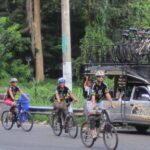
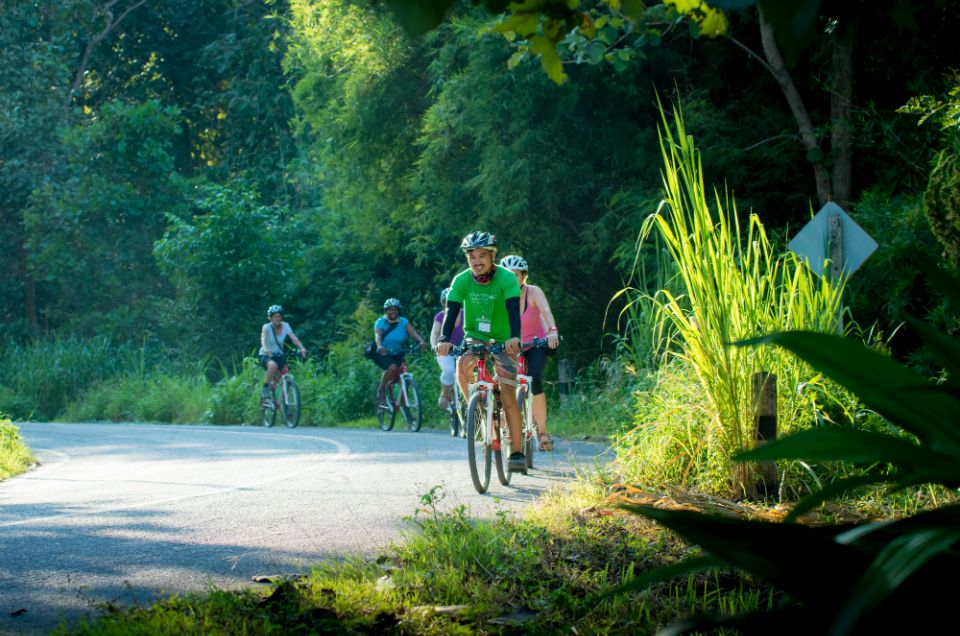
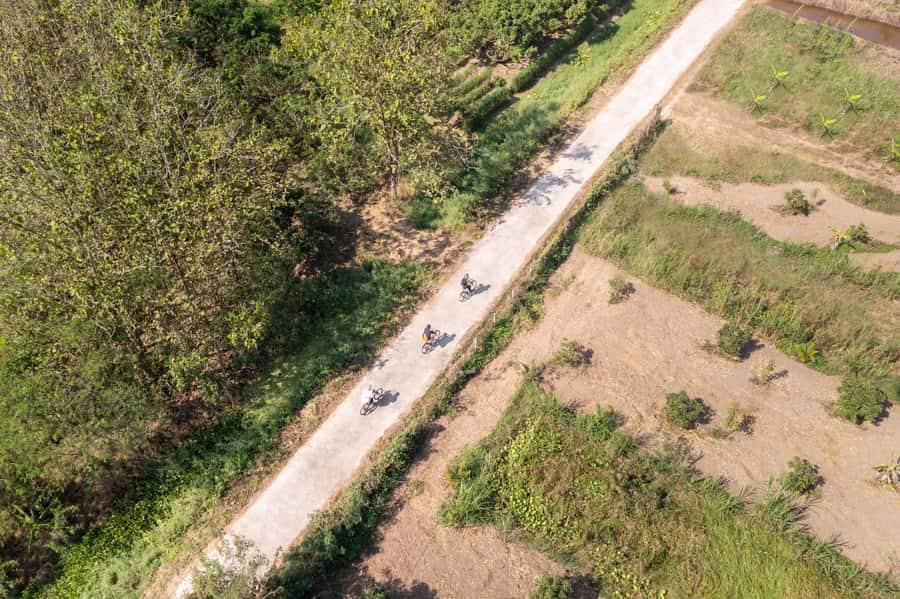
After Lamphun, the route heads toward the Ping River area, and you’ll cycle across countryside through orchards, fields, and woods. Along the way, you’re not fighting heavy traffic, which is a huge quality-of-life thing for a day like this. The e-bike also helps you keep a comfortable speed when the terrain changes.
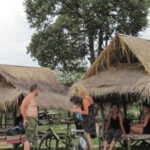
Then there’s the scheduled break: a lunch stop in a small village on the banks of the Ping River.
This meal is described as simple Thai food, plus drinks and snacks. That combination is exactly what makes the day feel worth it. You’re not forced into a tourist buffet. You’re stopping for food where it makes sense geographically—by water, near village life, at a calm point in the route.
One more practical point: the tour includes regular stops and refreshment breaks, which makes it easier to enjoy the cycling rather than just endure it. If you’re the sort who gets distracted when you’re hungry, this lunch stop helps keep the whole day moving pleasantly.
Umong Forest Temple Tunnels: A Quiet, Different Kind of Wow
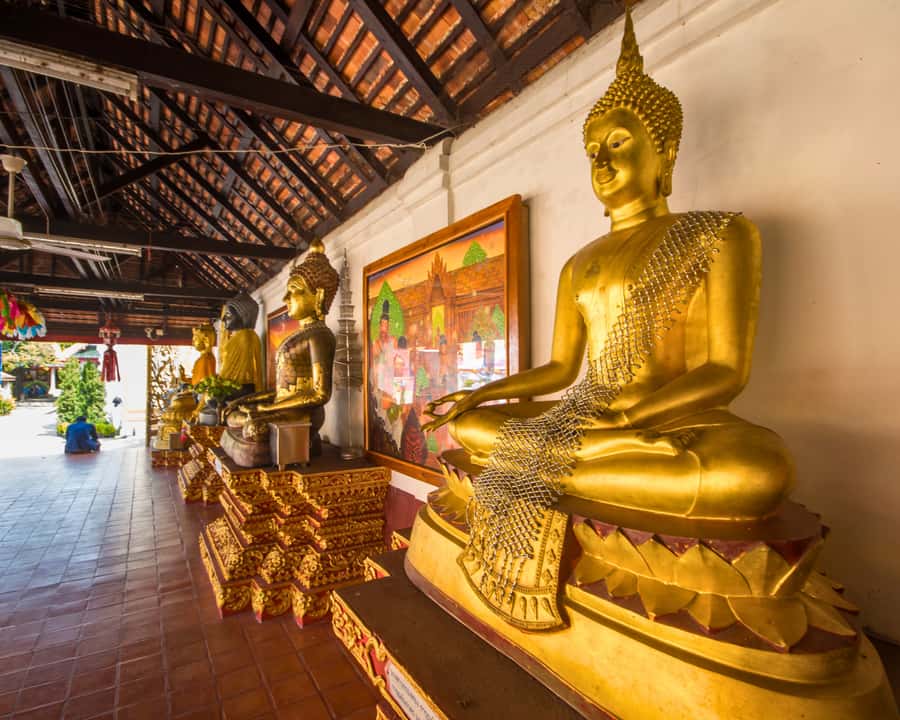
The highlight list includes the tunnels of the Umong Forest Temple with an expert guide. This is the kind of stop that changes the mood of the day.
A tunnel temple setting isn’t about big open views—it’s about atmosphere, structure, and the feeling of being inside a place that has a different rhythm than the city. With a guide explaining what you’re seeing, you’re more likely to notice features you’d otherwise walk right past.
This kind of stop also gives your legs a useful break. Even if you’re comfortable on the e-bike, having a more slow-paced cultural segment in the middle of cycling keeps your energy even through the last part of the day.
Ban Tawai Woodcarving Village: Watch Hands Work
After lunch and crossing the Ping River again, the ride continues into areas that lead you to Ban Tawai, known for wood carving.
You’ll park the bikes briefly, then walk around and admire the craftsmanship for about an hour with a guide. This isn’t only about seeing finished products. It’s about understanding the work behind them—what kinds of carving styles are popular and how the village’s identity shows up in what’s made.
This stop is a good match for e-bike days, too. You’ve been cycling steadily, and now you get something more grounded and sensory: tools, hands, wood grain, and patient detail.
One caution: you’ll be doing a walk. It’s not described as long or intense, but comfortable shoes are a must.
You can also read our reviews of more guided tours in Chiang Mai


Doi Suthep-Pui National Park + Royal Park Rajapruek Photos
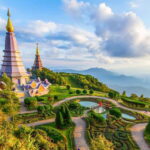
Late-day sightseeing includes time in Doi Suthep-Pui National Park, followed by a visit to Royal Park Rajapruek.
You’ll have about an hour in the national park area with a guided visit and walk. Then there’s a photo stop and sightseeing at Rajapruek with about 30 minutes plus guidance.
These segments are a nice way to end strong. After hours of cycling, you want scenery and viewpoints—without turning the last stretch into another intense hike.
Also, there’s a practical logistics benefit here. The day is designed to help you avoid congested road periods. Once the cycling reaches the park area, your bikes are loaded back onto a vehicle for the return.
Price and Value: Is $75 Worth It?
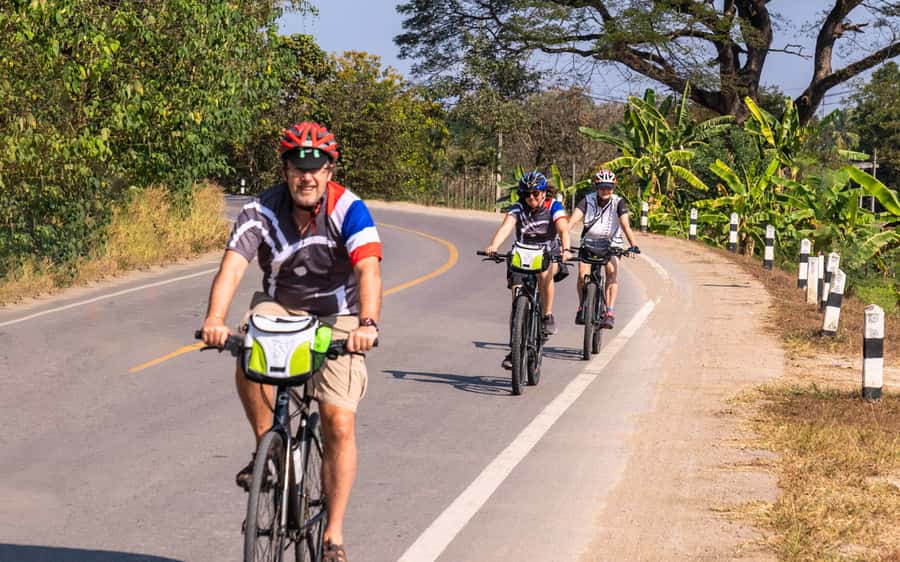
At $75 per person for a 7-hour full day, the price makes sense when you look at what’s included.
You’re getting:
- English-speaking expert guide
- E-bike + helmet
- Lunch + drinks + snacks
- Travel insurance
- Bike transport via train (with bikes on board)
- One-way transfer back to your meeting point from the end of the bike route
That “train + e-bike + guided temple visits + lunch” combo is the real cost driver. A normal countryside cycling day without the rail segment would likely feel like you’re paying for transport only.
So the value comes from variety. You’re not just cycling. You’re also seeing big temple architecture, a woodcarving village, and two major nature/park stops, all in one organized day.
If you want a day that’s active but still structured—and you’d rather pay for help than try to coordinate rail, bikes, and countryside routing on your own—this sits in a reasonable price bracket.
What 7 Hours Feels Like on an E-Bike (And How to Prep)
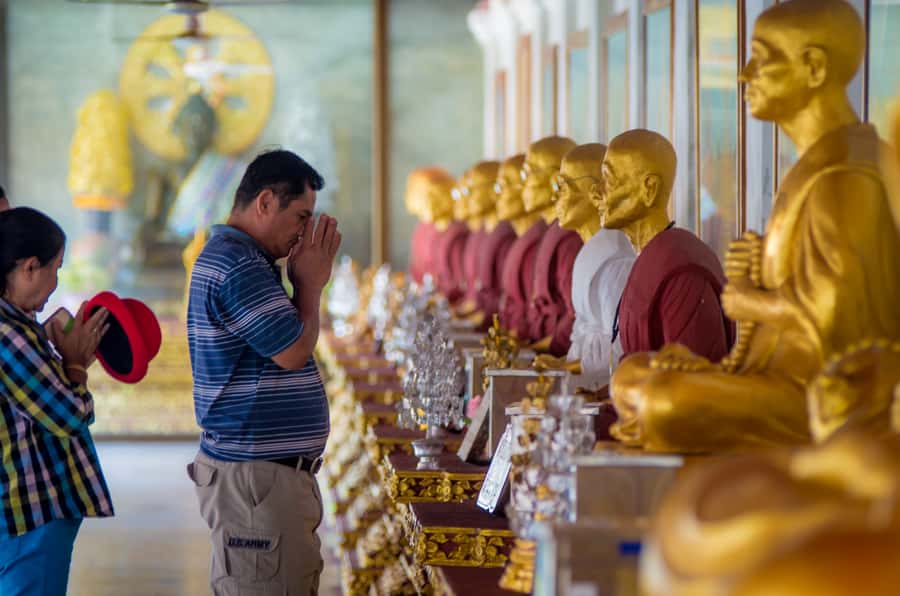
Even on pedal assist, this tour should be treated as an active day.
Some guides have been noted for keeping riders safe and coping well when groups aren’t fully prepared. That’s useful to know, because the ride can feel like more biking than expected even if the assist helps a lot. The route includes undulating hills at parts, and you’ll be on the bike for long stretches broken by stops.
How to prepare so it feels fun, not tiring:
- Bring sunscreen and sunglasses. The sun can be relentless.
- Wear comfortable shoes for the walk portions (especially Ban Tawai and park time).
- Pack for shade breaks, hydration, and snacks. Drinks and snacks are included, but you’ll enjoy the day more with your basics covered.
- If you’re picky about bike fit, share your height so the operator can arrange the right-side bike setup.
You also need to know the safety constraints. The tour is not recommended for people shorter than 170 cm, and it’s not suitable for pregnant women. If you fall outside those limits, it’s smarter to choose a different day tour that matches your comfort range.
Before You Go: The Passport/Height Rules That Matter
This tour has a few real-world requirements that can be easy to miss until you’re standing at the station.
Plan on bringing your original passport if you’re a foreigner (or ID card if you’re Thai). The paperwork is needed to show State Railway officers. Don’t assume a photo on your phone counts.
For bike fitting, you’re asked to provide:
- Your full name for insurance
- Your height so the bike can be arranged correctly
- Also, child seats can be requested, but the note says child seats can accommodate up to 14 kg.
If you’re traveling with kids, there’s an extra detail: there’s a van option if your child gets tired after 30 km, bringing you back while still leaving time for food and sights. The van option is valid for up to 4 people max—so it’s a group-limited help, not a universal escape hatch.
Group Size, Guides, and the Safety Vibe
This is offered as private or small groups, and that tends to matter on an e-bike day. Smaller groups mean the guide can watch spacing, help with pacing, and adapt when riders are less comfortable than planned.
In the guide feedback you’ll see consistent themes: guides like Gun, Farm, and Ee are described as knowledgeable, attentive, and patient—especially when people aren’t fully geared for an active cycling day. That “calm safety care” feeling is exactly what you want when the tour includes both cycling and walking segments.
If you like tours where the guide is actively looking after your day (not just speaking at you), this format tends to deliver.
Should You Book This Chiang Mai E-Bike Day?
Book it if you want:
- A full-day countryside experience that isn’t complicated to plan
- An e-bike day with real sights: a standout golden Phra That Hariphunchai, Ping River lunch, and woodcarving in Ban Tawai
- A schedule that uses train transport to add local texture without adding stress
Skip it (or ask for alternatives) if:
- You don’t meet the 170 cm minimum guidance
- You’re looking for a mostly-sightseeing day with minimal cycling
- You’re pregnant (this one isn’t recommended)
If you’re the kind of traveler who likes mixing temples, villages, and gentle nature stops—with a guide who keeps things safe and paced—this is a smart way to spend a day outside the city.