REVIEW · CHIANG MAI
From Chiang Mai: Doi Saket Hiking Tour with Lunch
Book on GetYourGuide →Operated by Wild Adventures · Bookable on GetYourGuide
Five hours in the north’s jungle beats temple hopping. This Doi Saket hike takes you from a small mountain village into dense forest, with stops to taste herbs, cross streams, and end under a hidden waterfall shower.
I like the small group setup (max 10), because it keeps things calm and personal when the trail gets steep. I also love the food stops: a packed lunch in the jungle, plus fruit tasting at the end (often including fresh passion fruit).
One consideration: the route can be slippery and technical, with ladder climbs and uneven ground, so you’ll want proper waterproof shoes and real hiking balance. Flip-flops are out.
In This Review
- Key Highlights You’ll Actually Feel on This Hike
- Doi Saket Jungle Hiking: Why This Feels Like a Real Day Out
- Getting There: Hotel Pickup and the Morning Start in Doi Saket District
- From Village Walk to the Jungle Trail: Herbs, Community, and Quiet Forest Air
- The 5-Hour Trek: Streams, Ancient Trees, and a Trail That Tests Balance
- Lunch in the Jungle: Rocky Stream Crossing and What’s Actually Included
- The Waterfall Moment: Ladder Up, Secluded Shower, and Weather Reality
- The Return Trail: Fallen-Tree Bridges, Bamboo Groves, and Fruit Trees
- What You Eat and How the Tour Uses Food as a Learning Tool
- Guides, Small Groups, and the Photos You Don’t Have to Take
- Difficulty Level: Who This Is Best For (and Who Might Feel Miserable)
- What to Pack: Shoes, Water, and the Stuff People Forget
- Price and Value: Is $57 Worth It from Chiang Mai?
- Weather, Water Flow, and Seasonal Expectations
- Should You Book This Doi Saket Hiking Tour with Lunch?
- FAQ
- How long is the Doi Saket Hiking Tour with Lunch?
- What time does hotel pickup happen in Chiang Mai?
- How far do you travel from Chiang Mai to Doi Saket?
- Is lunch included?
- Are drinks included?
- How big is the group?
- What language is the guide?
- What should I bring for the hike?
- Is the waterfall part of the tour?
- Is this tour suitable for kids or people with limited hiking experience?
- Can I cancel and get a full refund?
Key Highlights You’ll Actually Feel on This Hike
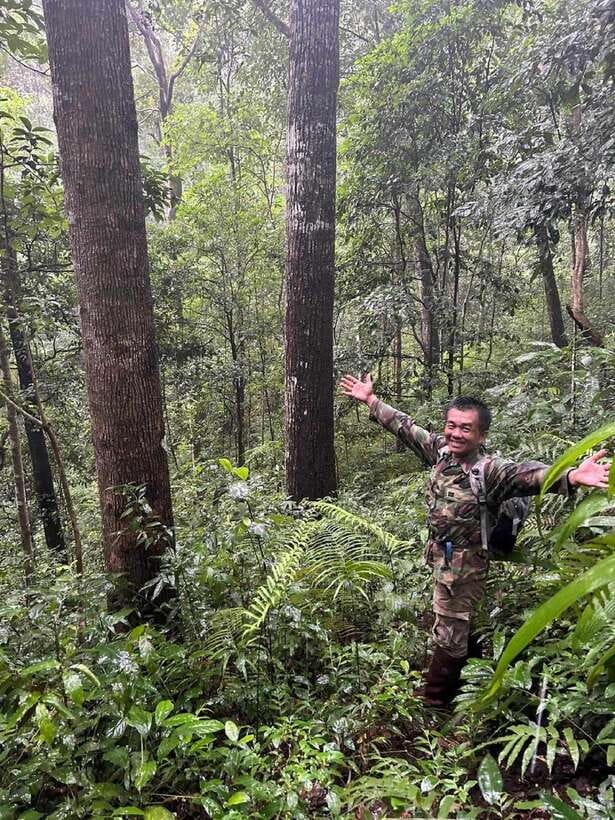
- Village-to-forest immersion: walk from community areas into protected jungle, guided with practical context
- Herb tasting on the move: you can smell and sample local plants your guide points out along the way
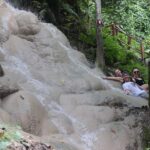
- Waters of a secluded waterfall: a real rinse under cascading water when conditions allow
- Hands-on trail moments: wooden bridges, stream crossings, and short ladder climbs
- End-of-hike fruit + tea/coffee: finish with seasonal fruit and a warm drink
Doi Saket Jungle Hiking: Why This Feels Like a Real Day Out
Chiang Mai has plenty of tours that feel scheduled. This one feels like a day that happens in the forest first, and sightseeing second.
You’re not just walking through greenery. You’re moving through a living system: village life at the start, jungle ecology in the middle, and a waterfall that gives you a physical reset. The guides (often led by Troy, with rangers such as Nit or Manit) keep it grounded in real use—plants for food, herbs, and how local people interact with the forest.
And because the group stays small, the experience holds together. You notice birdsong, the smell of crushed leaves, and the little details you’d miss in a bigger crowd. That quiet is the whole point.
You can also read our reviews of more tours and experiences in Chiang Mai


Getting There: Hotel Pickup and the Morning Start in Doi Saket District
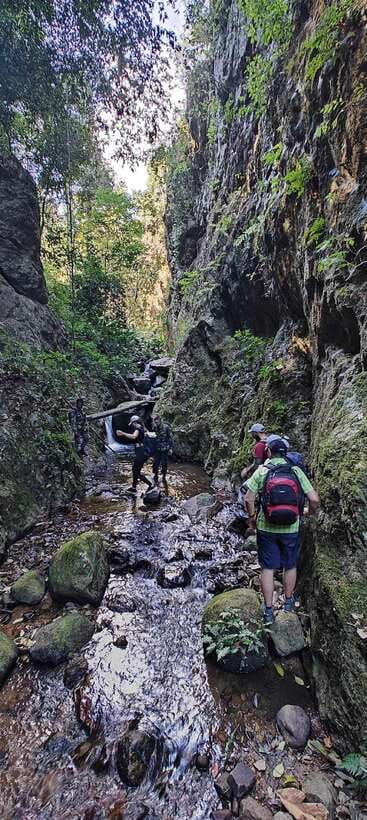
Pickup runs about 08:00 to 08:30, and you’ll ride in a van roughly 75–90 minutes to the Doi Saket district east of the old city. The early start matters. It gives you cooler hiking hours and a better chance of seeing wildlife-active areas.
Once you arrive, there’s a safety briefing and guided setup before the trek. This is not the usual “be careful” talk. The pacing and expectations are clear: you’ll be on uneven ground, using your balance, and moving through sections that can get slick—especially after rain or in shaded areas where the trail stays damp.
The timing also helps you settle in. By the time the real jungle path starts, you’re not rushed, and you can focus on walking well rather than just trying to survive the first climb.
From Village Walk to the Jungle Trail: Herbs, Community, and Quiet Forest Air
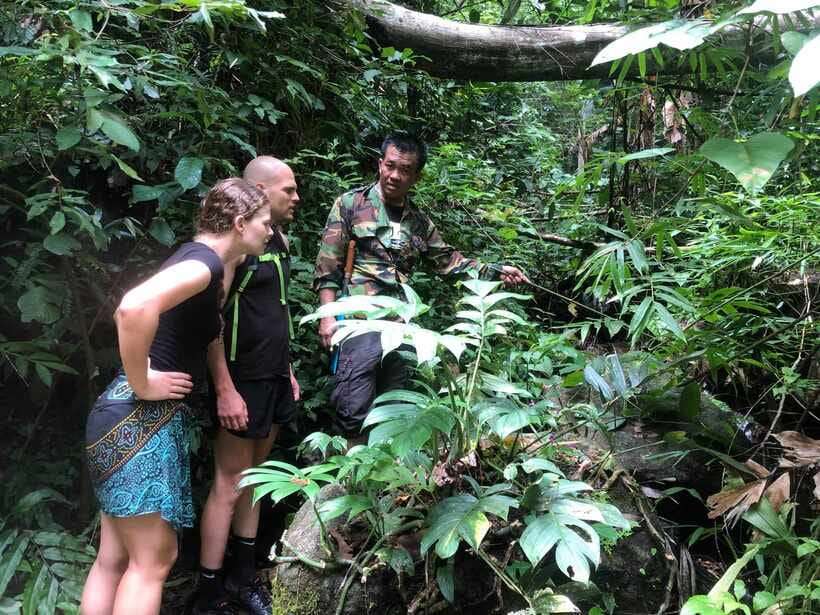
The hike begins at a quiet mountain village where your guide introduces daily forest life. This is where the tour earns its name: you’re not only going to the jungle, you’re learning how local people live with it.
As you stroll through the village, your guide points out herbs you can pick, smell, and even taste. Some names come up in the experience like cool mint, coriander, and liquorice-type plants (your guide may offer samples depending on what’s seasonally available and appropriate to handle).
Then the trail takes you into dense forest with towering trees and wildlife sounds all around. Several hikers describe it as “no other people around,” which makes sense. The route is designed to get you off the crowded circuit and into a place that feels more like a working trail than a paved attraction.
What to watch for here is your body. Early on, the path can ask for steady footing. If you’ve never hiked on forest terrain, this is where you’ll feel it most—roots, narrow sections, and small climbs that require attention, not speed.
The 5-Hour Trek: Streams, Ancient Trees, and a Trail That Tests Balance
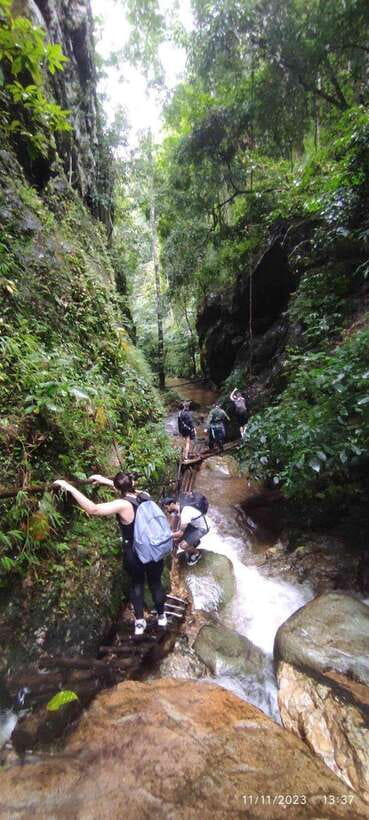
You’re on foot for about 5 hours of hiking through the forest. The pace is active, but it’s not a nonstop grind. Guides plan stops to let you regroup, listen, and learn—things like bird calls, plant uses, and scenic viewpoints.
This is also where the tour turns from pretty-walk into real hiking. Expect:
- Uneven, narrow paths
- Steeper stretches at different points
- Moments that feel like a mini obstacle course (in a good way)
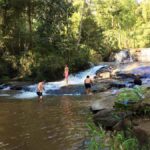
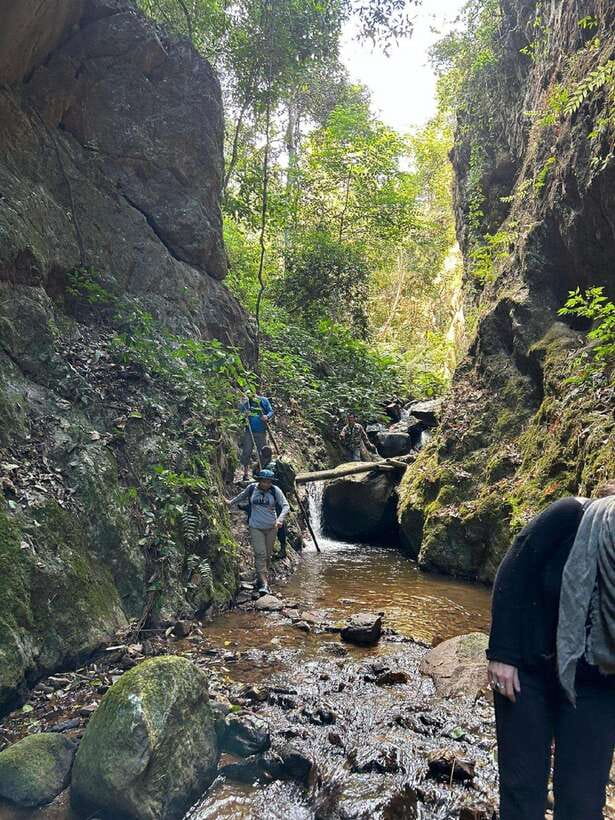
You’ll likely pause for impressive old-growth moments, including ancient trees described as around 100 years old. And you’ll cross a rocky stream mid-route as you move toward lunch. That stream crossing is usually short, but it’s a reminder: you’re walking a natural trail, not a groomed footpath.
Several hikers highlight how guides help when footing gets tricky. This isn’t a “figure it out yourself” trek. If someone’s nervous, rangers tend to guide and assist, especially around slipperier sections and transitions like ladder climbs.
Lunch in the Jungle: Rocky Stream Crossing and What’s Actually Included
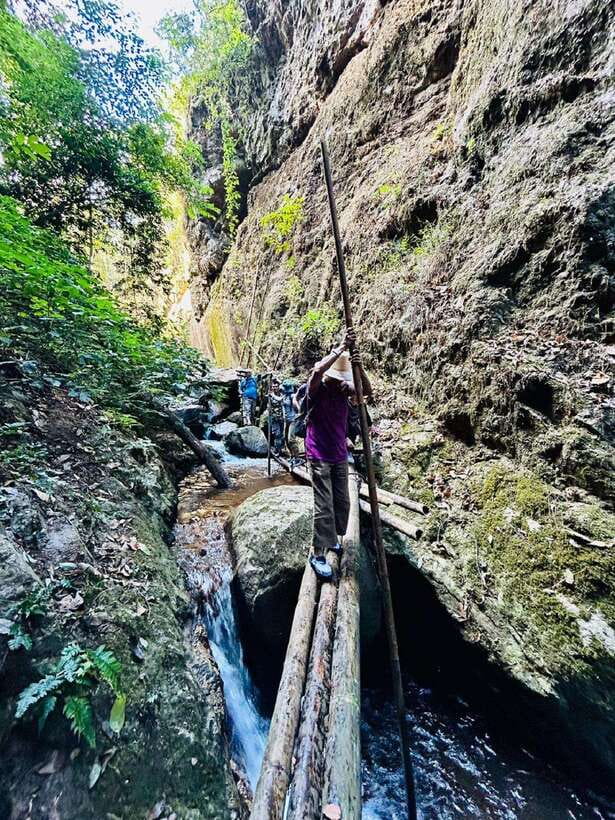
Lunch happens during the trek and is included, served as a packed meal in the wilderness. You’ll stop midway, cross the stream once to get to the lunch point, then settle in for a break that feels like it belongs there.
A strong theme in the feedback is that the lunch isn’t an afterthought. People mention it as tasty and homemade-style, with examples like fresh passion fruit showing up as part of the fruit tasting experience.
One practical detail: drinks are not included. The tour gives you food, but you still need to manage hydration yourself. And since the terrain involves climbs, don’t plan to run on “whatever water you brought.” Bring enough for the full day and keep some buffer in your bag.
You can also read our reviews of more hiking tours in Chiang Mai




The Waterfall Moment: Ladder Up, Secluded Shower, and Weather Reality
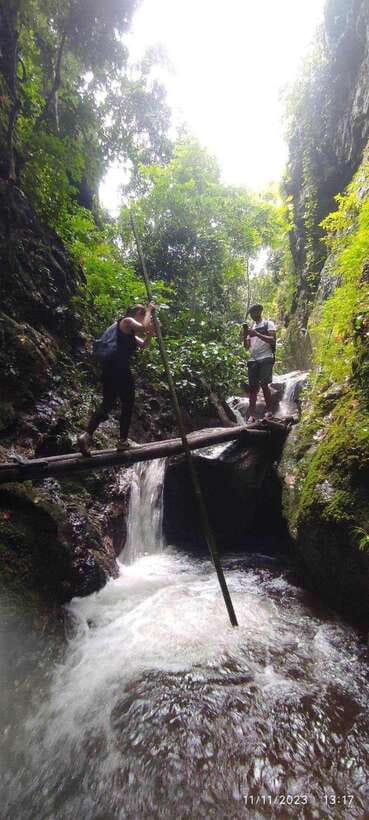
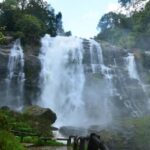
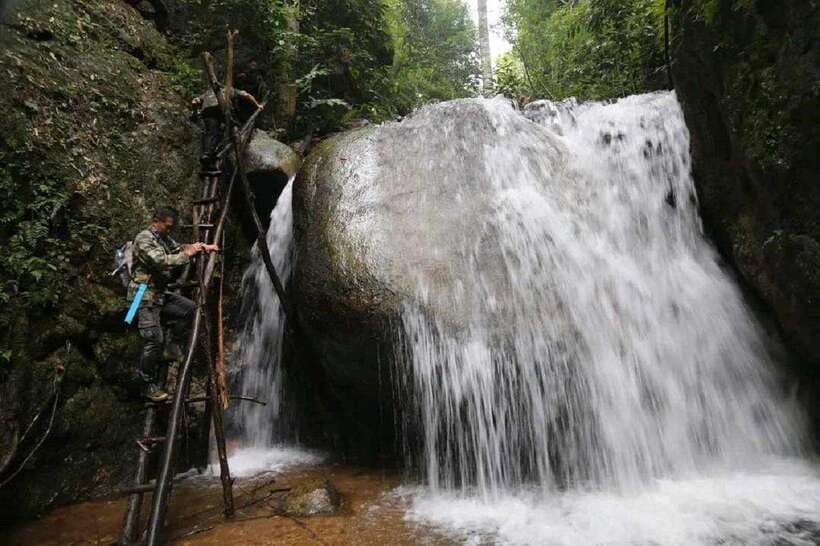
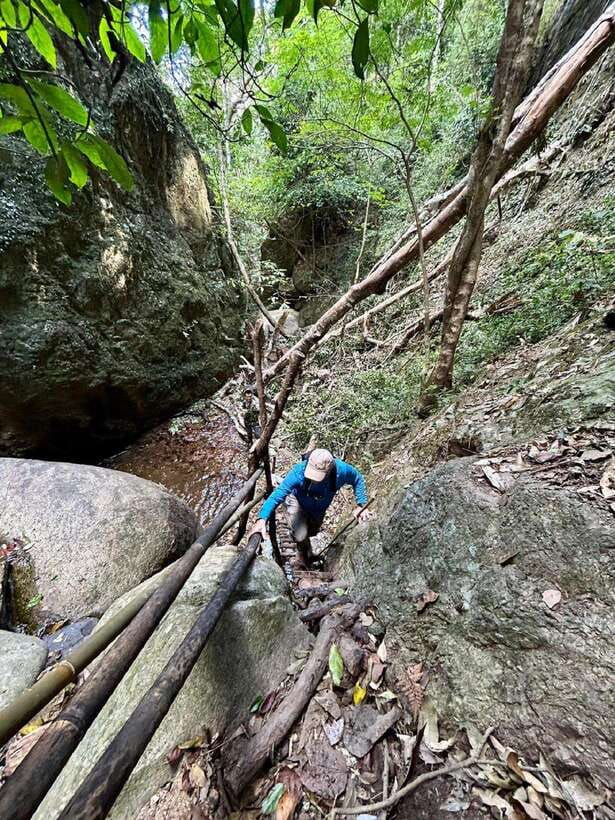
This is the headline scene: a secluded waterfall deep in the jungle. To reach it, you climb a sturdy wooden ladder to the waterfall area. That climb is short, but it’s a real “hands on” moment—good grips, steady steps, and slow movements.
At the waterfall, you can shower under the cascading water or simply sit and enjoy the sound and cool spray. Multiple hikers call out how refreshing it feels when you’ve been walking in heat and humidity.
Weather matters here. In dry conditions, you might not get the same water flow for swimming or full soaking. Still, even when the water is lighter, the waterfall area can be refreshing and worth the climb.
If you want the full experience, bring swimwear and plan on getting wet. You’ll also likely want a towel or a quick way to dry off afterward if you’re heading back to city life immediately.
The Return Trail: Fallen-Tree Bridges, Bamboo Groves, and Fruit Trees
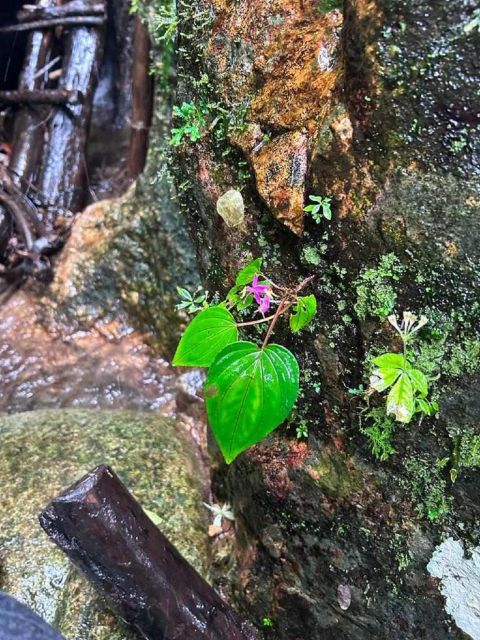
On the way back, you cross the stream again—this time balancing over a natural bridge formed by a fallen tree. It’s the kind of crossing that sounds simple until you’re standing on it, looking down, and realizing the ground isn’t perfectly flat.
After that, the tour shifts into a calmer section: bamboo groves and fruit trees. This part works as a mental reset. You stop feeling like the hike is only about challenge and start noticing the forest again—the textures, smells, and quiet that you mostly missed while concentrating on your steps.
This stretch is also where you feel the day length. You’ve still got energy, but you’re definitely in the “finish strong” mindset. Guides keep the pace manageable with breaks, but the hiking is real for the whole arc.
When you reach the village again, the end isn’t just “walk back and done.” You’ll taste exotic fruit and often get herbal tea or fresh local coffee. It’s a satisfying close because it ties the day’s theme—forest life and edible plants—back together.
What You Eat and How the Tour Uses Food as a Learning Tool
This tour treats food like fieldwork, not a coupon on the side.
You start with herb tasting during the village walk—plants you can smell and sample. Then you get a proper lunch in the forest, followed by fruit tasting at the end. Hikers mention a range of fruit and strong flavors like passion fruit, and they describe the food as genuinely part of the experience rather than something that interrupts it.
You’ll also want a little planning mindset around your stomach:
- If you’re sensitive to new herbs or stronger flavors, tell your guide so they can guide you on what’s safest to try.
- Expect heat. Even if the hike feels manageable, the combination of trekking + humidity can make you feel hungrier than normal.
Bottom line: if you like food tied to place, you’ll enjoy this tour more than a standard hike where lunch is just fuel.
Guides, Small Groups, and the Photos You Don’t Have to Take
This is one of the most repeated themes: the guides are friendly, organized, and attentive about safety. Troy is the main name that shows up in the experience, and he’s supported by rangers such as Nit or Manit depending on the day.
One detail I think you’ll appreciate: they tend to take lots of photos and videos during the hike and share them afterward. That means you can focus on walking and looking up instead of holding a phone at the wrong time on a slippery path.
Also, guides may bring dogs on the hike. More than one hiker calls this a bonus, and it adds to the feeling that you’re not in a big commercial group. The dogs also help keep the group moving smoothly through certain trail moments, since the guides manage the route like it’s second nature.
Difficulty Level: Who This Is Best For (and Who Might Feel Miserable)
This is not a “stroll in nature” tour.
The route includes steep stretches, slipperier parts, and ladder climbs. People describe it as challenging at times, requiring steady footing and balance. If your fitness is low or you’ve never hiked, you may feel it more than you expect.
The tour isn’t listed as suitable for:
- children under 10
- people without hiking experience
- people with low fitness
- people over 70
That said, many hikers describe the hike as doable with the right shoes and a willingness to take breaks. If you go slow, follow guide instructions, and keep your footing, you’ll be fine.
If you’re debating whether you’re “hiker enough,” ask yourself this: do you feel okay walking 5 hours on uneven, wet-feeling terrain? If your answer is yes, you’ll likely enjoy the day. If not, consider an easier day tour nearby.
What to Pack: Shoes, Water, and the Stuff People Forget
Your packing list is straightforward, and you should follow it.
Bring:
- water (plan more than you think you’ll need)
- insect repellent
- daypack
- waterproof shoes
- swimwear (for the waterfall shower)
- passport (or a copy accepted)
Avoid:
- sandals or flip-flops
- alcohol or drugs
- making fire
A practical note from real-world experience: one hiker said they ran out of water while bringing only about one liter. So don’t treat water as an optional item. Bring enough for the full hike, and keep some extra buffer for hot days.
For clothing, think “long sleeves and breathable layers.” Forest plants can brush you as you pass, and long sleeves help with both comfort and bug protection.
Price and Value: Is $57 Worth It from Chiang Mai?
At about $57 per person for a 1-day outing, this tour is priced like an active day tour with included food and transport, not a cheap bus ride.
Here’s what you’re paying for:
- hotel pickup and drop-off
- an English-speaking guide
- lunch included
- a small-group trek with safety support
- the waterfall segment that many day tours skip or soften
Drinks are not included, but the structure still feels good value because you get more than a walk. You get learning moments (herbs, plant uses), physical variety (bridges, ladders, stream crossings), and an end payoff (fruit + tea/coffee).
If you’re staying in Chiang Mai and want a day that feels like it belongs in the north’s mountains instead of another crowd line, this price starts to look fair.
Weather, Water Flow, and Seasonal Expectations
This area can change day to day. Some hikes happen on hot days where it’s sweaty and tiring. Others get rain through parts of the day, turning the forest trail into a slip-and-step challenge.
The waterfall flow can also vary. In dry spells, you might not get the same volume of water for a full swim or soaking. Still, you can often get cooling spray and enjoy the waterfall area even if water flow is lighter.
If you want the best odds:
- bring insect repellent
- wear waterproof shoes with good grip
- plan for rain if the forecast suggests it
- keep your expectations flexible for the waterfall volume
Should You Book This Doi Saket Hiking Tour with Lunch?
Book it if you want a real hiking day with food that feels local and a finale at a secluded waterfall. You’ll enjoy it most if you like nature close-up, don’t mind steep and technical bits, and want to get away from the tourist traffic around Chiang Mai.
Skip it if you’re looking for a gentle walk, have limited hiking stamina, or you don’t have the right shoes. This isn’t designed for flip-flops and casual strolling.
For the right person, it’s one of those rare day trips where you come home tired, happy, and a little smarter about how forest plants and village life connect.
FAQ
How long is the Doi Saket Hiking Tour with Lunch?
The tour runs for one full day, with hiking time of about 5 hours.
What time does hotel pickup happen in Chiang Mai?
Pickup is scheduled for about 08:00 to 08:30 AM. You should wait in your hotel lobby during that window.
How far do you travel from Chiang Mai to Doi Saket?
It’s about a 75–90 minute drive to the east toward Doi Saket district.
Is lunch included?
Yes. Lunch is included as part of the tour.
Are drinks included?
No. Drinks are not included, so you’ll want to plan to bring water and any additional drinks you prefer.
How big is the group?
The tour is limited to a small group of up to 10 participants.
What language is the guide?
The live tour guide provides English-language guidance.
What should I bring for the hike?
Bring swimwear, water, insect repellent, a daypack, and waterproof shoes. A passport is required, though a copy is accepted.
Is the waterfall part of the tour?
Yes. You’ll hike to a secluded waterfall, and you can shower under the cascading waters or relax in the area.
Is this tour suitable for kids or people with limited hiking experience?
It’s not suitable for children under 10, people without experience, or people with low fitness. It’s also not suitable for people over 70.
Can I cancel and get a full refund?
Yes. You can cancel up to 24 hours in advance for a full refund.